
Last updated November 23, 2026
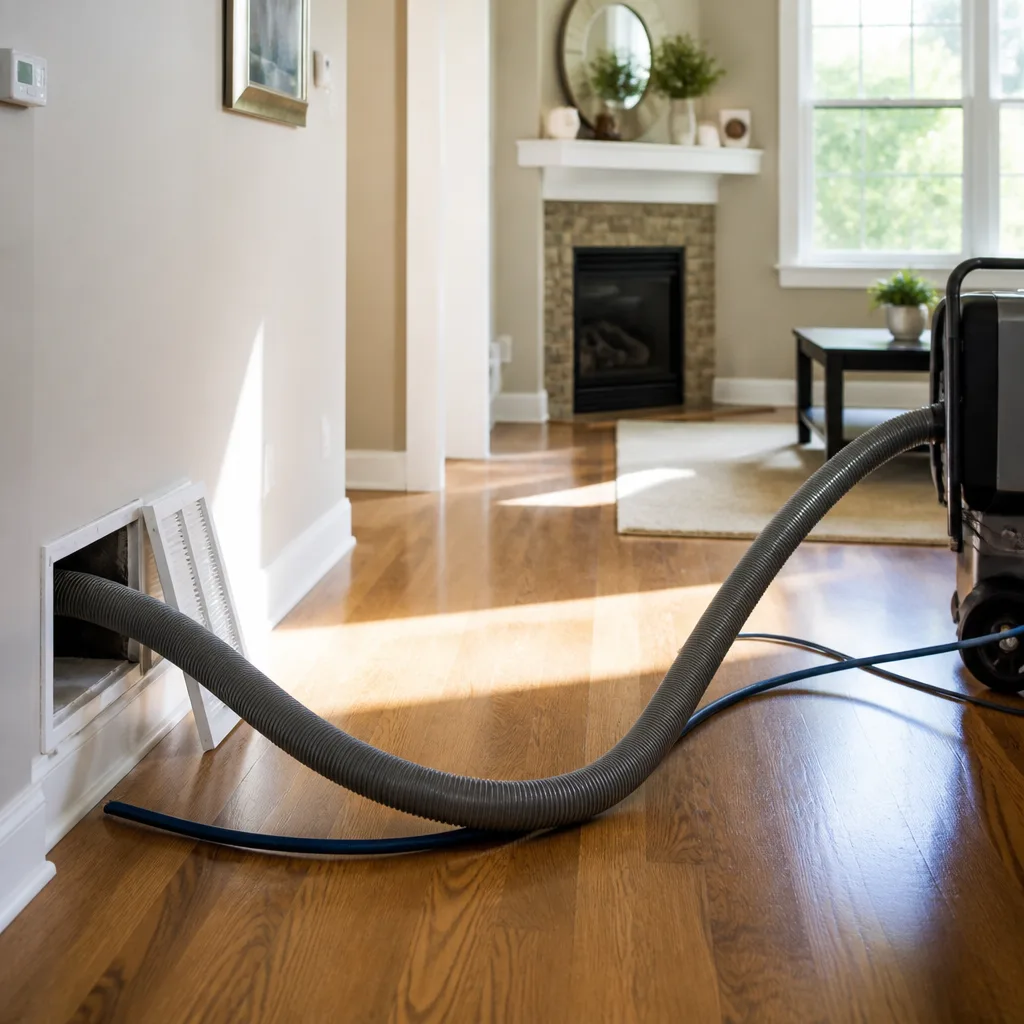 Whole-home duct cleaning
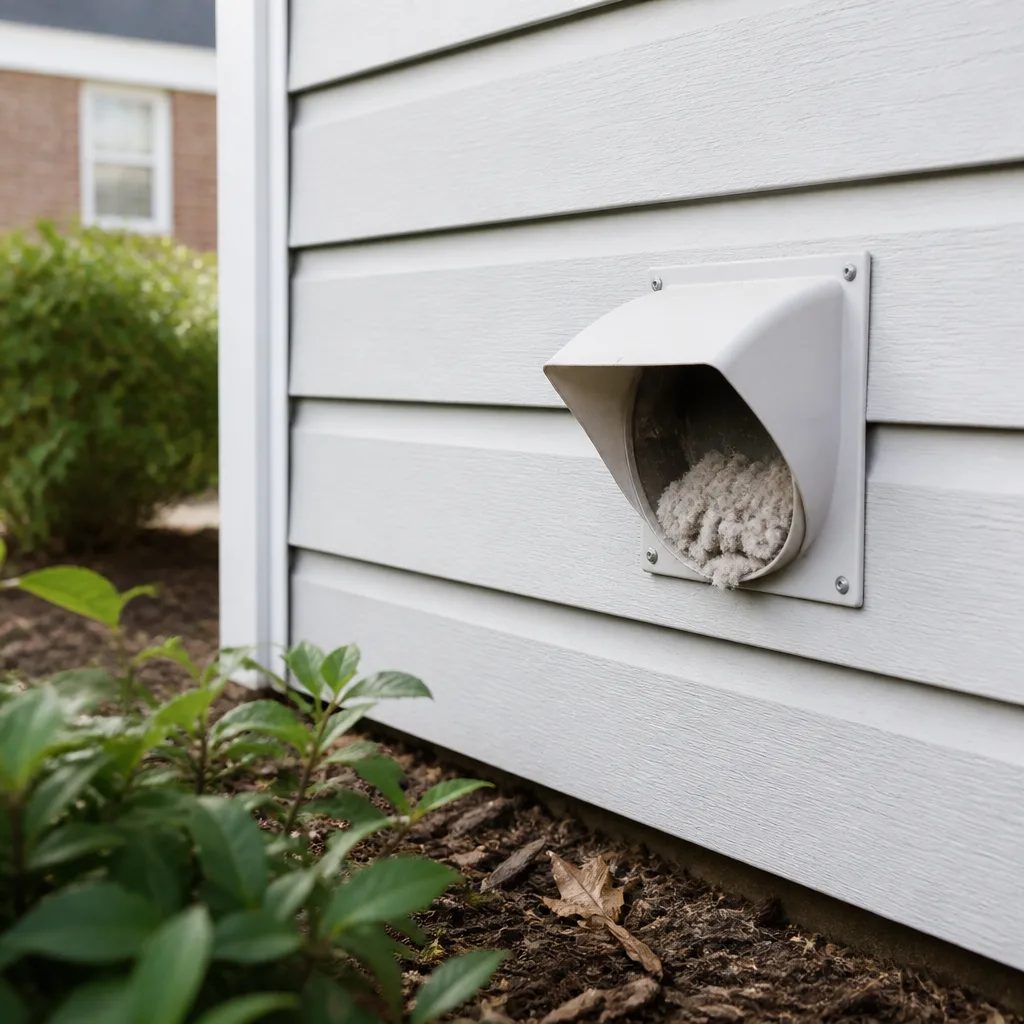 Dryer vent cleaning
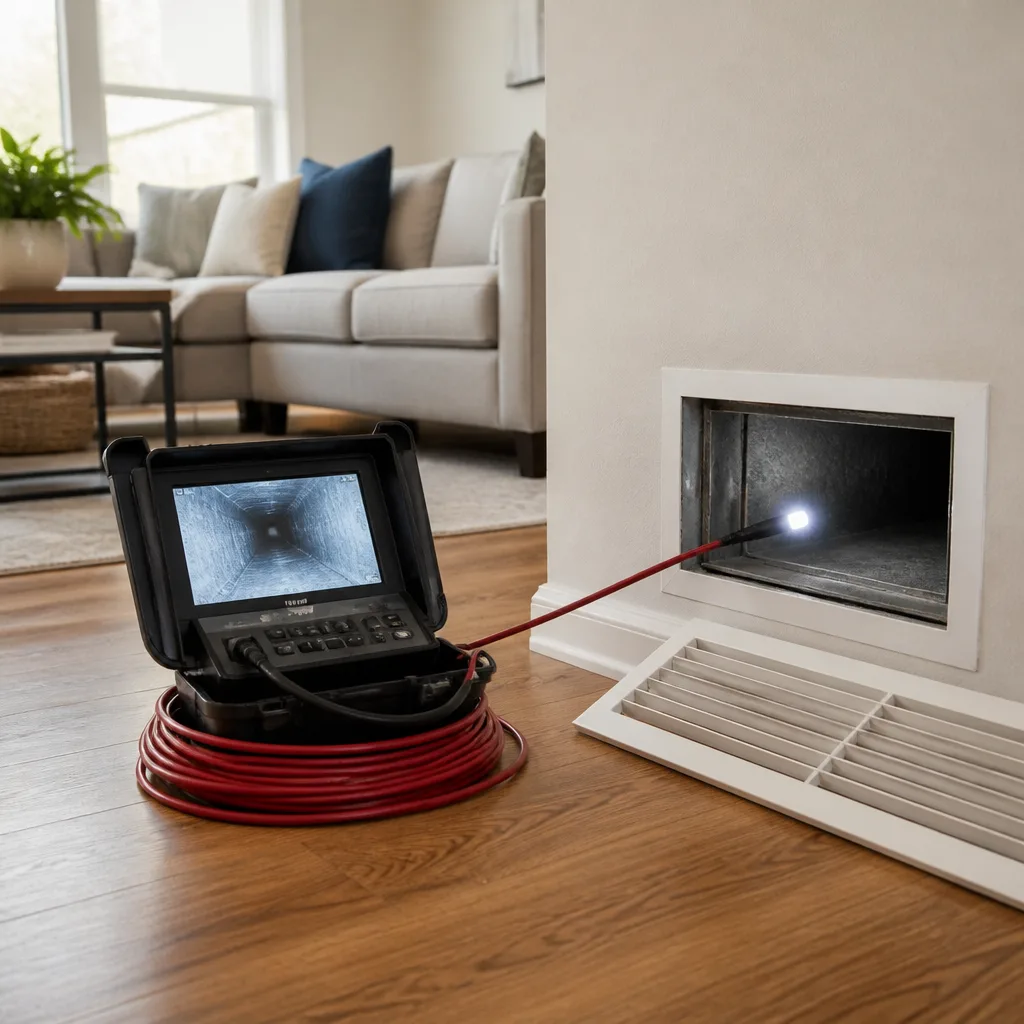 Camera inspection
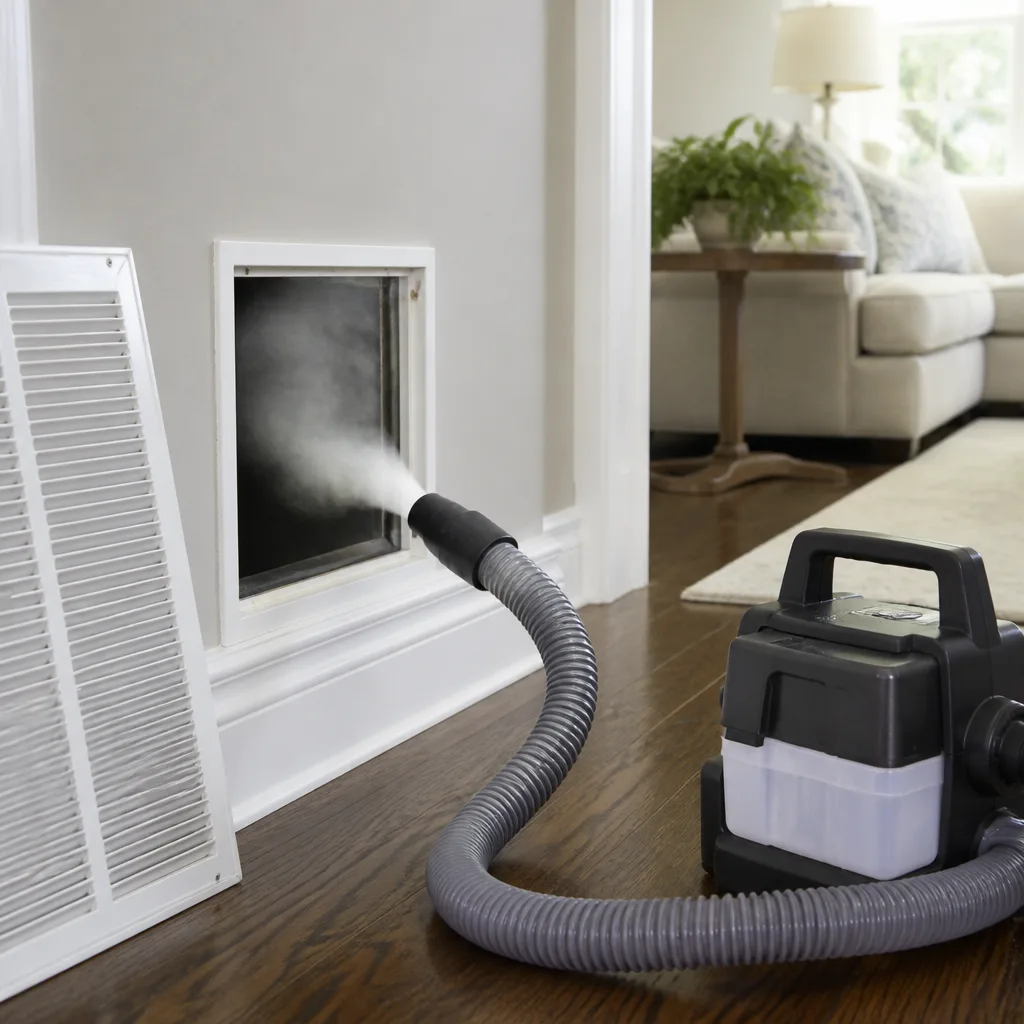 Sanitizing & deodorizing
Whole-system duct and dryer vent check with before-and-after photos - you see exactly what came out of your vents
That "$99 whole-house special" is a bait ad - the real number appears once they are in your hallway, or the "clean" is a shop-vac at the register. We photograph the inside of your ducts before and after instead.
Air Duct Cleaning Permits, Codes & Inspections in Wakefield, NC: What You Need to Know
Most homeowners assume the biggest risk with ductwork is dirty air. The bigger risk is unpermitted mechanical work. Cleaning a duct system almost never requires a permit in North Carolina. But cleaning is also the moment when someone finally looks inside the ducts, and what they find – crushed flex runs, disconnected joints, a sagging trunk line, a return that pulls from a crawlspace – often leads to repairs made on the spot, in a hurry, with no paper trail. That’s where homeowners get into trouble. A repair that crosses into mechanical code territory without an inspection can surface years later during a home sale. This guide walks through where the line sits in North Carolina’s code, what Wakefield HOAs layer on top of it, and what to ask for in writing.
Styles & brands we work with
- Whole-home duct cleaning
- Dryer vent cleaning
- Camera inspection
- Sanitizing & deodorizing
Quick Answer
Routine air duct cleaning in Wakefield generally does not require a permit because it’s classified as maintenance, not construction. However, when a cleaning uncovers damaged ductwork and the fix involves adding, removing, or rerouting a duct run, modifying an air handler, or changing the system’s configuration, that work can fall under North Carolina’s Mechanical Code and typically requires a Wake County mechanical permit and inspection. Sealing leaks with mastic or approved tape is usually considered maintenance. Cutting a new run is not.
Table of Contents
- Cleaning vs. Altering: Where the Code Draws the Line
- What North Carolina’s Mechanical Code Actually Says About Ducts
- When Duct Sealing Is Maintenance and When It Needs a Permit
- The HOA Layer: Wakefield’s Extra Rules on HVAC Work
- What to Request in Writing From Anyone Doing Duct Repairs
- How to Check Permit History on Your HVAC System
- What a Mechanical Inspection Actually Looks At
- Why Wakefield’s Climate Makes Duct Problems Show Up
- Common Mistakes to Avoid
- When to Call a Professional
- Frequently Asked Questions
- The Bottom Line
Cleaning vs. Altering: Where the Code Draws the Line
The distinction matters more than most people realize. In code terms, cleaning and maintenance are treated as keeping a system in its original, approved condition. Alteration is treated as changing the system. One is routine. The other can trigger a permit, an inspection, and a paper trail.
Here’s how that plays out in practice on a Wakefield job. A technician pulls a return grille, runs a rotary brush through the trunk, and finds a section of flex duct that’s come loose at a collar. Reconnecting it to the existing collar with proper fittings is a repair that restores the original design. That’s maintenance. The same technician finds a run that never should have been installed that way – too long, kinked, or terminating in the wrong room – and decides to reroute it. That’s an alteration. It changes how the system moves air, and it needs a permit in most Wake County jurisdictions.
The line usually sits around these questions:
- Does the work restore the original design or change it? Restoring is maintenance. Changing is alteration.
- Are you adding a run, deleting a run, or resizing one? Any of those three is a configuration change.
- Are you opening the air handler or coil cabinet for anything beyond cleaning access? Panel work for cleaning is one thing. Modifying the cabinet is another.
- Are you changing the return air path? Adding a return, moving one, or converting a panned joist cavity into a duct is a mechanical change.
- Is the fix permanent and intact, or is it a patch to get through the season? Tape slapped over a tear is a patch. A properly rebuilt section is a repair.
We’ve seen homeowners in Wakefield get this wrong in both directions – some demanded a permit for a mastic seal that didn’t need one, and others let a contractor cut a new supply run with no paperwork at all. Neither is what you want. The next section breaks down the actual code language so you can tell which situation you’re in.
What North Carolina’s Mechanical Code Actually Says About Ducts
North Carolina adopts the International Mechanical Code (IMC) as the basis for its State Building Code, with a handful of state amendments. The mechanical code chapter that governs ductwork covers installation standards, materials, clearances, sealing requirements, and support spacing. It does not regulate whether you clean a duct. It regulates how a duct is built and altered.
In practical terms, the code provisions that affect Wakefield duct work most often are these:
- Duct sealing is required by code for new and altered systems. Joints, seams, and connections in the portions of the system that run through unconditioned space must be sealed. This is one reason sealing is such a common item on older Wakefield homes – the original install may have relied on tape alone, and tape fails.
- Support and sag limits matter. Flex duct has to be supported at code-specified intervals and can’t sag beyond the allowed limit. A duct that’s sagging under a Wakefield attic floor is a code issue, not just an efficiency complaint.
- Clearances to combustibles are enforced. Duct runs near a furnace, water heater flue, or other heat source have minimum clearance requirements. Any work that changes a duct’s path has to maintain those clearances.
- Return air can’t be drawn from certain spaces. The code restricts where return air can be sourced – garages, unconditioned attics, and certain mechanical rooms are off-limits. A “repair” that quietly changes a return’s source can violate this.
- Modifications require permits and inspections. Most Wake County jurisdictions require a mechanical permit before altering a duct system, and the work must be inspected before it’s closed up.
What the code does not require is a permit to clean. A rotary brush run through existing ducts, negative air containment, and HEPA filtration are maintenance activities. So is replacing a filter, cleaning a coil surface, or tightening a loose connection back to its original state. If you’re scheduling air duct cleaning and the scope is genuinely cleaning, you don’t need a permit. If the technician starts proposing layout changes, you do.
One thing worth knowing: local jurisdictions can and do interpret the code differently on the margins. A small access panel cut for cleaning might be fine in one Wake County inspection office and worth a conversation in another. When in doubt, the answer is to call the local building department and ask directly. It takes five minutes and eliminates the guesswork.
When Duct Sealing Is Maintenance and When It Needs a Permit
Duct sealing is the gray zone, and it’s where most Wakefield homeowners get confused. Sealing is one of the highest-value things you can do to a duct system – leaky ducts undo the work of cleaning because they let the cleaned system re-contaminate itself the moment the air handler comes back on. But not all sealing is the same from a code standpoint.
Sealing that’s typically considered maintenance:
- Applying mastic or approved foil tape to joints, seams, and connections where the duct already exists
- Re-sealing a disconnected joint back to its original collar or fitting
- Sealing the boot where a supply terminates at the register
- Sealing small pinholes, tears, or gaps in a duct section that stays in place
- Replacing a damaged section of flex duct with new flex duct in the same location and same size
Sealing that can push into permit territory:
- Adding a new supply or return run to a room that didn’t have one
- Rerouting a run to a different location or through a different path in the structure
- Resizing a duct – upsizing a trunk, downsizing a branch – to change static pressure or airflow
- Converting a panned floor joist or wall cavity into a return duct (or converting one out)
- Modifying the air handler cabinet, plenum, or coil enclosure beyond simple access panel work
- Tying two previously separate systems together, or splitting a system into zones
If your cleaning appointment turns up a leaky joint, that’s a mastic-and-tape conversation. If it turns up a system that’s badly undersized for the house, or a room that never had proper supply, that’s a design change and it needs a permit. We always tell Wakefield homeowners which category their job falls into before work starts, and we put it in writing. A contractor who won’t clarify that distinction before grabbing a tool is one to be careful with.
Sealing also pairs naturally with cleaning. HVAC cleaning gets the coil, blower, and cabinet clean; duct repair and sealing closes the leaks that would otherwise let the cleaned system pull debris back in. Doing one without the other leaves the job half finished.
The HOA Layer: Wakefield’s Extra Rules on HVAC Work
Wakefield is a planned community, and that means most homes sit inside at least one HOA. HOA rules operate separately from the municipal building code. Something can be fully code-compliant and still violate your HOA’s architectural guidelines. In practice, HOA restrictions that touch HVAC work most often show up in these areas:
- Exterior equipment visibility. Adding an exterior condenser, a mini-split head, or moving an existing unit requires architectural review in most Wakefield neighborhoods. Equipment has to be screened or placed out of view from the street and common areas.
- Roof and wall penetrations. New duct chases, vent terminations, or roof penetrations typically need HOA approval before a contractor cuts anything. This is often overlooked when someone is retrofitting a system.
- Contractor registration. Some Wakefield HOAs require contractors to be registered with the management company before working on site. This covers parking, hours of work, and disposal of materials.
- Noise and hours. Renovation work with power tools may be restricted to certain hours by HOA rule, separate from any town ordinance.
- Structural changes. Enclosing a mechanical closet, adding a return in a finished wall, or moving an air handler from the garage to the attic almost always triggers an architectural review request.
The practical advice: any duct work that involves a permit is likely to involve an HOA conversation too. The two processes are not the same, and the timelines don’t line up. Permit review might be days; HOA architectural review can take longer, especially if the board meets monthly. Wakefield homeowners who plan both early avoid the phone call where they find out the work is on hold.
Pull your HOA’s architectural guidelines from your closing packet or the management company’s website before you schedule anything beyond cleaning and sealing. If the scope is genuinely limited to cleaning, the HOA layer usually doesn’t apply.
What to Request in Writing From Anyone Doing Duct Repairs
Documentation is your protection. If work is done on your ducts and later questioned, a written record is what determines whether the work is treated as normal maintenance or as unpermitted construction. Here’s what to ask for, in order:
- A written scope of work before the job starts. It should list each item specifically: reconnecting a run at the collar, sealing joints in the trunk with mastic, replacing a section of flex, and so on. Vague language like “repair as needed” leaves the door open for anything.
- A clear statement of whether a permit is required and whether the contractor is pulling one. If they say no permit is needed, ask them to state in writing that the work is maintenance under North Carolina Mechanical Code and why. Legitimate contractors will put it in writing. Reluctance to do so is a signal.
- Before-and-after photos of the specific work. Not just the cleaned ducts – the actual repairs. Photos of the joint before mastic and after mastic, the new section installed, the sealed plenum. Time-stamped photos are better than not.
- The contractor’s license information. North Carolina regulates HVAC contracting, and anyone doing permitted work needs to hold the right license class. Ask them to list it on the invoice.
- Invoice itemization. Each repair line, each material line, each permit line if any. A single lump-sum figure is harder to defend later than a broken-out invoice.
- Copy of the permit and inspection card if a permit is pulled. The inspection card shows the work was signed off by a code official. This is the strongest paper trail you can hold.
Two sentences in a written scope can save you weeks of grief during a future home sale. If a real estate inspector flags ductwork, the buyer’s agent will ask who did the work and whether it was permitted. A clean paper trail answers both instantly.
How to Check Permit History on Your HVAC System
Before you schedule anything beyond routine cleaning, spend 15 minutes pulling your home’s permit history. This tells you what was permitted, when the system was changed, and whether any prior work was ever inspected. In Wakefield, most of this is available online through Wake County’s permit portal and the relevant municipality’s records office.
- Find your property record. Start at the Wake County government’s online permits and inspections portal. Address-based search pulls up every permit ever issued to that parcel, going back to the original build if records are digitized.
- Filter for mechanical permits. Not every permit on a house is mechanical. Look for the mechanical category. An HVAC change-out, a duct alteration, or a new system installation would all show up there.
- Check the status on each one. A permit can be open, closed, expired, or voided. An expired permit on duct work is a red flag because it means the work was never inspected.
- Note the contractor of record. The permit lists who pulled it. If you’ve owned the home for years and don’t recognize the contractor, that’s a system change you didn’t know about.
- Call the building department if anything is unclear. Wake County and the surrounding municipalities will confirm permit status by phone. A five-minute call saves guesswork.
- Compare permit history to your current system. If the system’s age, size, or configuration doesn’t match what the permits show, ask why. Someone may have done work without pulling one.
Doing this once – before you invest in cleaning, sealing, or repair – gives you the full story of the system. It’s the difference between working from a plan and working from assumptions. We’ve seen this practice prevent homeowners from paying to clean a system that was about to be replaced anyway, and we’ve seen it catch prior unpermitted work that needed correcting.
What a Mechanical Inspection Actually Looks At
If a permit is pulled on duct repairs, a Wake County mechanical inspector will visit before the work is closed up. Understanding what they check helps you know whether the job was done right – and what a contractor’s shortcuts might miss.
- Duct sealing on all accessible joints. Inspectors verify that the code-required joints and seams are actually sealed with approved methods, not just taped over with whatever was on the truck.
- Support and sag. Flex duct has to be supported per code. Inspectors check the intervals and confirm no run is sagging beyond limits.
- Clearances. Distance from combustibles, distance from heat sources, and distance from anything that could ignite.
- Return air sources. Confirmation that return air isn’t being drawn from an area the code prohibits.
- Airflow and equipment condition. The inspector is not running a performance test, but they’ll note if a duct is crushed, disconnected, or obviously not functioning to design.
- Panel and access. Access panels for equipment service have to be code-compliant, and inspectors check that they haven’t been modified improperly.
A clean inspection report is a document you keep. It goes in your home file and comes out if you sell. It also tells you the work was done by someone operating within the code, not outside it.
One safety note here: some of the tasks that show up in duct work – opening an air handler cabinet, working around electrical connections in the unit, dealing with gas-fired equipment – are genuinely hazardous. Electrical and gas components should only be opened or altered by a licensed technician trained on that equipment. We will always tell you when a job crosses into territory that needs a licensed mechanical or electrical contractor, even when the duct-side work is within our own scope.
Why Wakefield’s Climate Makes Duct Problems Show Up
Central North Carolina’s climate puts duct systems under real stress, and it’s one reason duct issues are so common on Wakefield properties. The pattern is specific:
- Humid summers. Duct systems running through unconditioned attics and crawlspaces see high dew points for weeks at a time. Cold supply ducts in a humid attic sweat, insulation gets wet, and mastic and tape fail much faster than they do in drier climates.
- Temperature swings in spring and fall. Duct systems cycling between heating and cooling expand and contract at their joints. Every cycle works on the tape and fittings. After enough cycles, connections that were tight at install start to gap.
- Attic heat. Wakefield attics run hot in summer. Flex duct that isn’t properly supported starts to sag under its own weight when the jacket softens, and sagging restricts airflow.
- Older homes and renovations. Wakefield has properties from several build eras. Systems installed years ago may not match current sealing standards, and renovations often disturb ductwork routed through walls and ceilings that later get closed up.
- Renovations are a common trigger. Drywall dust, sawdust, and construction debris get pulled into the return while a renovation is in progress. Wakefield households that just completed a kitchen or bathroom remodel usually need a cleaning sooner than they realize.
The upshot: if you’re in Wakefield and your home is more than a decade old, or has recently been renovated, duct issues are more likely than not. Cleaning is a maintenance item. Finding problems during cleaning is normal. Deciding whether the follow-up repair is maintenance or alteration is where the code question kicks in – and that’s the question this guide is designed to answer.
Common Mistakes to Avoid
- Assuming a cleaning quote covers duct repairs. Cleaning and repair are different scopes. Get them quoted separately so you know which is which, and so you can see whether a repair fee is fair or inflated.
- Letting a contractor cut a new run without a permit. Adding a supply or return run is mechanical work. This is the classic Wakefield home sale complication – unpermitted work discovered during the buyer’s inspection.
- Accepting “we don’t need a permit for that” without a written statement. If the work is genuinely maintenance, the contractor should have no trouble writing that down. Ask for the language in the scope.
- Skipping the HOA architectural review. Even code-compliant work can violate Wakefield HOA rules if it involves exterior equipment, roof penetrations, or visible changes. Get HOA approval in writing before the work starts.
- Not pulling permit history before the cleaning appointment. If your home has unpermitted prior work, you want to know that before a technician is on a ladder in the attic – not after.
- Treating a cleaning coupon price as the estimate. A low teaser price for cleaning often balloons once the tech is inside. We give one flat price per system, agreed before work starts, with before-and-after photos of your own ducts. Anything less is a red flag.
- Letting a repair get “made safe” with tape and a promise. If a joint is going to fail again next summer, the tape is not a fix. A proper repair uses mastic, mechanical fasteners, or new duct in the right size and location.
When to Call a Professional
Call a professional when the work involves anything more than a filter change or a visual check – and definitely before you let anyone cut into a duct run. Specific situations that warrant a call:
- You’re scheduling duct cleaning and the technician has proposed repairs that involve rerouting, adding, or resizing a run.
- You’ve recently bought a Wakefield home and the seller’s disclosure didn’t mention the HVAC history.
- You’re planning duct work as part of a renovation and need to know whether permits and HOA approval apply.
- Your system has obvious hot spots, pressure issues, or airflow complaints that suggest a design change is needed.
- Anyone you’ve hired for duct work is pushing back on giving you a written scope.
- You’re concerned about mold, allergens, or contamination from a prior renovation.
We handle the cleaning, sealing, and diagnostics that keep a system sound, and we’re clear about where a licensed mechanical contractor needs to be involved. Wakefield Air Duct Cleaning Pros offers free estimates in Wakefield – call (866) 947-9162. We answer 24/7. Fast dispatch from 7am to 7pm, Sunday through Friday.
Frequently Asked Questions
No, routine air duct cleaning in Wakefield does not require a permit. Cleaning is classified as maintenance under North Carolina’s mechanical code, not construction. The permit question only comes up when cleaning uncovers a problem and the follow-up work involves altering the duct system’s configuration. A mastic seal is maintenance; a new run is not.
Duct repair needs a mechanical permit when the work changes the system rather than restores it. Adding a supply or return, rerouting a run, resizing a duct, converting a panned joist to a return, or modifying the air handler cabinet all typically require a permit and inspection in Wake County. Sealing existing joints and reconnecting a disconnected collar do not. If in doubt, call the local building department – the answer usually comes in one phone call.
Not legitimately if the work is genuinely an alteration. Some contractors blur the line to save time and skip inspection, which is exactly the situation that creates problems during a home sale later. If the work crosses code territory and no permit is pulled, the risk sits with the homeowner. Ask for a written statement of why a permit isn’t required if the contractor claims maintenance. Legitimate contractors put that in writing.
Start with Wake County’s online permits and inspections portal and search by property address. Every mechanical permit ever issued to the parcel should be listed with its status – open, closed, expired, or voided. An expired permit on duct work means the job was never inspected, which is worth investigating. If anything is unclear, call the Wake County building department and confirm by phone.
Possibly. HOA rules apply on top of the building code, and Wakefield’s planned-community HOAs often restrict exterior equipment placement, roof and wall penetrations, contractor registration, and work hours. Work that involves adding equipment outside the home, cutting new penetrations, or altering a mechanical closet usually needs architectural review even if the permit is clean. Pull your HOA guidelines before scheduling anything beyond cleaning and sealing.
You should have a written scope that specified what was done, a statement of whether a permit was required and whether one was pulled, before-and-after photos of the actual repair, an itemized invoice, and a copy of any permit and inspection card. This is the documentation that answers questions during a future home sale and holds up if there’s ever a dispute about the work.
Central North Carolina’s humid summers and large shoulder-season temperature swings stress duct joints through repeated expansion and contraction. Standard duct tape loses adhesion under those cycles in a way that’s more aggressive than in drier climates. Mastic or approved foil tape installed correctly will outlast it. On Wakefield homes, we routinely find original tape that has been failing for years simply because nobody had eyes on the joints since installation.
The permit rules don’t change based on whether the duct problem is mold, dust, or a leak – the question is still whether the work is maintenance or alteration. Mold remediation may add other considerations around containment and post-remediation verification, but a mechanical permit only comes into play if the duct system itself is being modified. Cleaning and containment are still maintenance. For mold situations, proper HEPA containment and negative air pressure during the work matter more than anything; that’s one reason we run Nikro negative air and Abatement Technologies equipment on jobs where contamination is a concern.
The Bottom Line
Air duct cleaning itself almost never requires a permit in Wakefield. Duct repairs that change the system’s configuration – adding, deleting, rerouting, or resizing a run, or modifying the air handler – usually do. Sealing existing joints with mastic or approved tape is maintenance, and it’s the fastest way to keep a cleaned system from re-contaminating itself. Wakefield HOAs can layer additional rules on top of the municipal code, so check architectural guidelines before scheduling any exterior or structural work. Get a written scope, ask for the maintenance-versus-alteration determination in writing, and pull your permit history before the first appointment. The paper trail you build now is what protects you later. Our technicians have up to 9 years of experience working on the full air pathway – cleaning, sealing, sanitizing, and repairing – using professional-grade Rotobrush and Nikro equipment. Call (866) 947-9162 for a free estimate. We answer 24/7. Fast dispatch from 7am to 7pm, Sunday through Friday.
Written by the team at Wakefield Air Duct Cleaning Pros.
See the difference
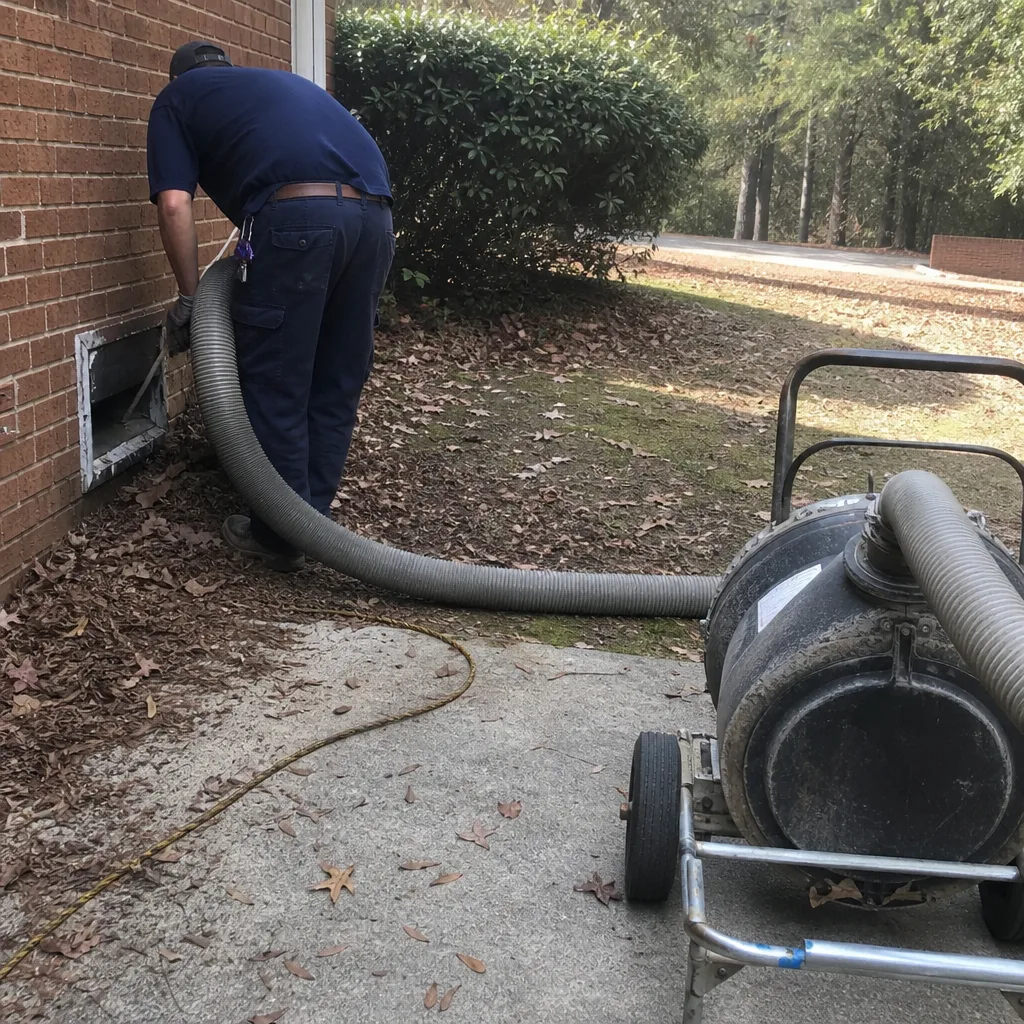 Before
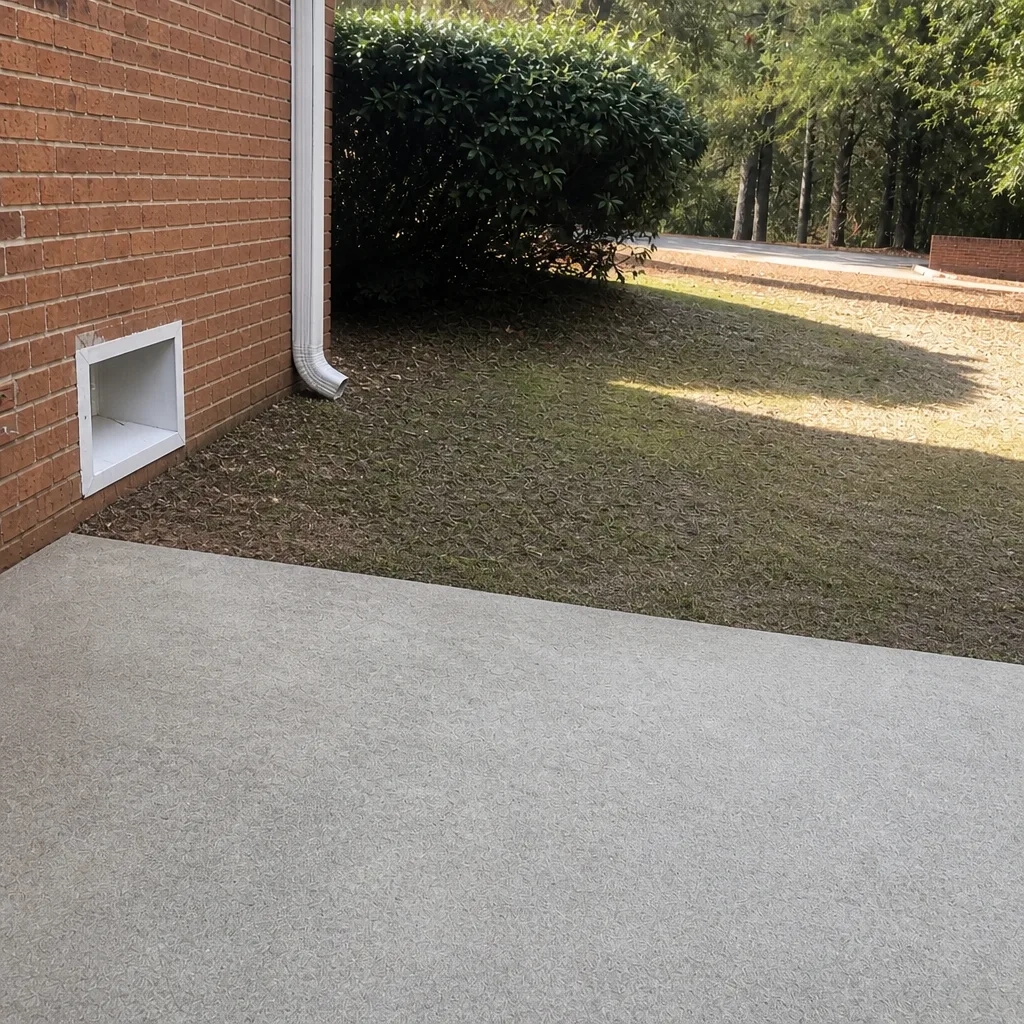 After
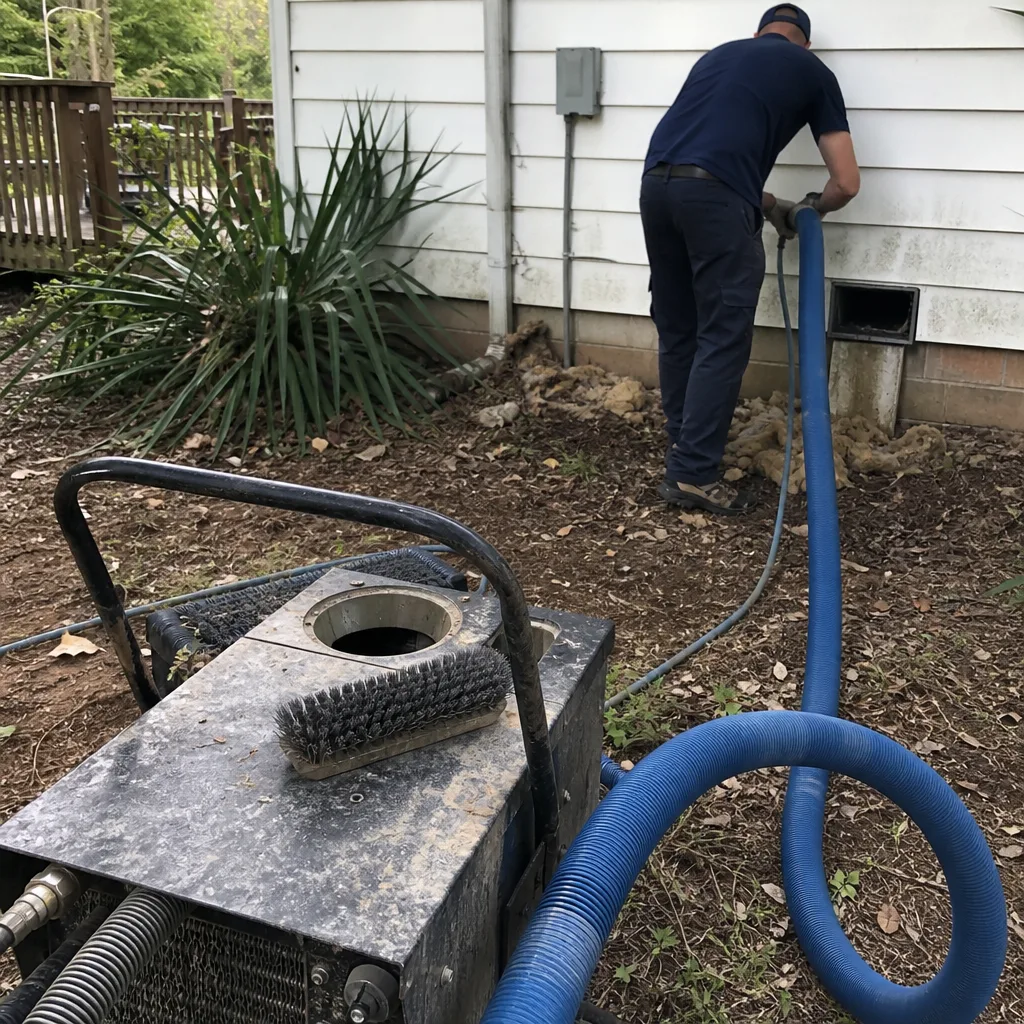 Before
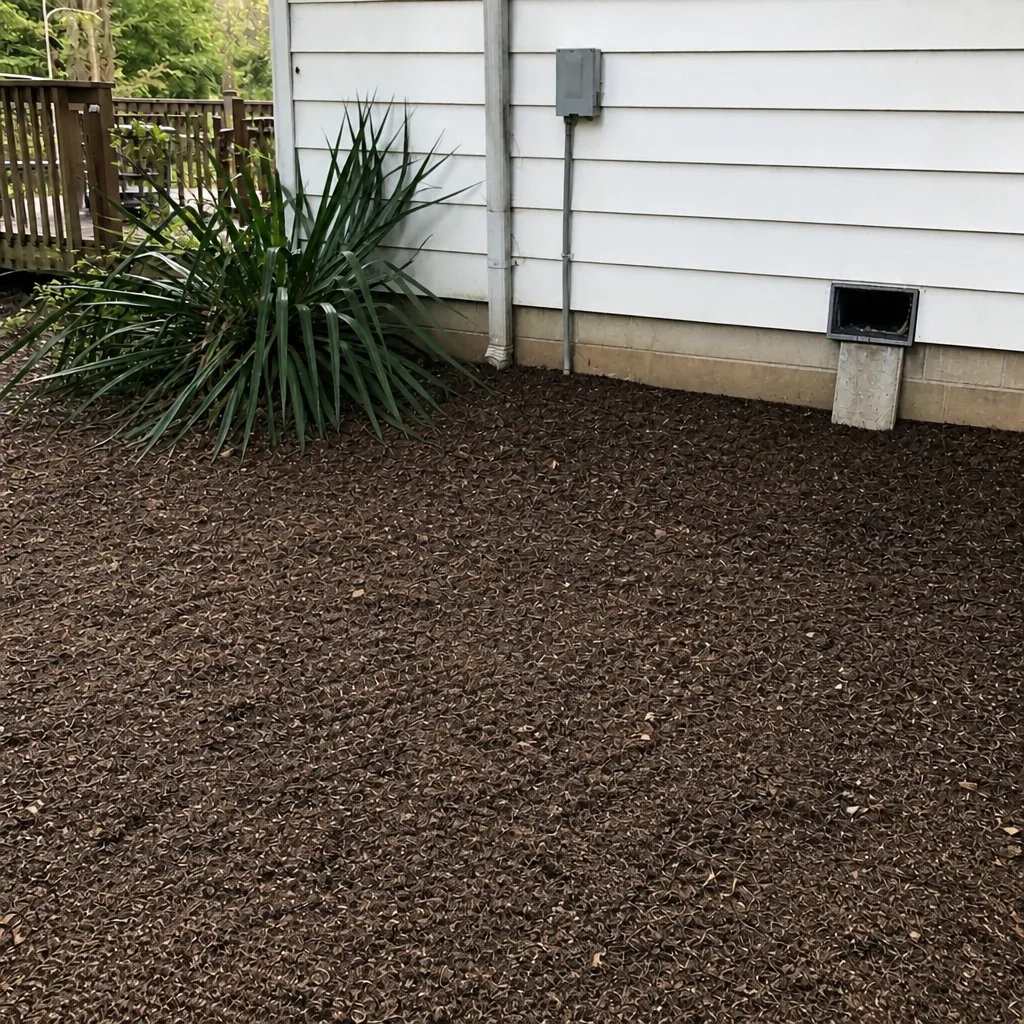 After
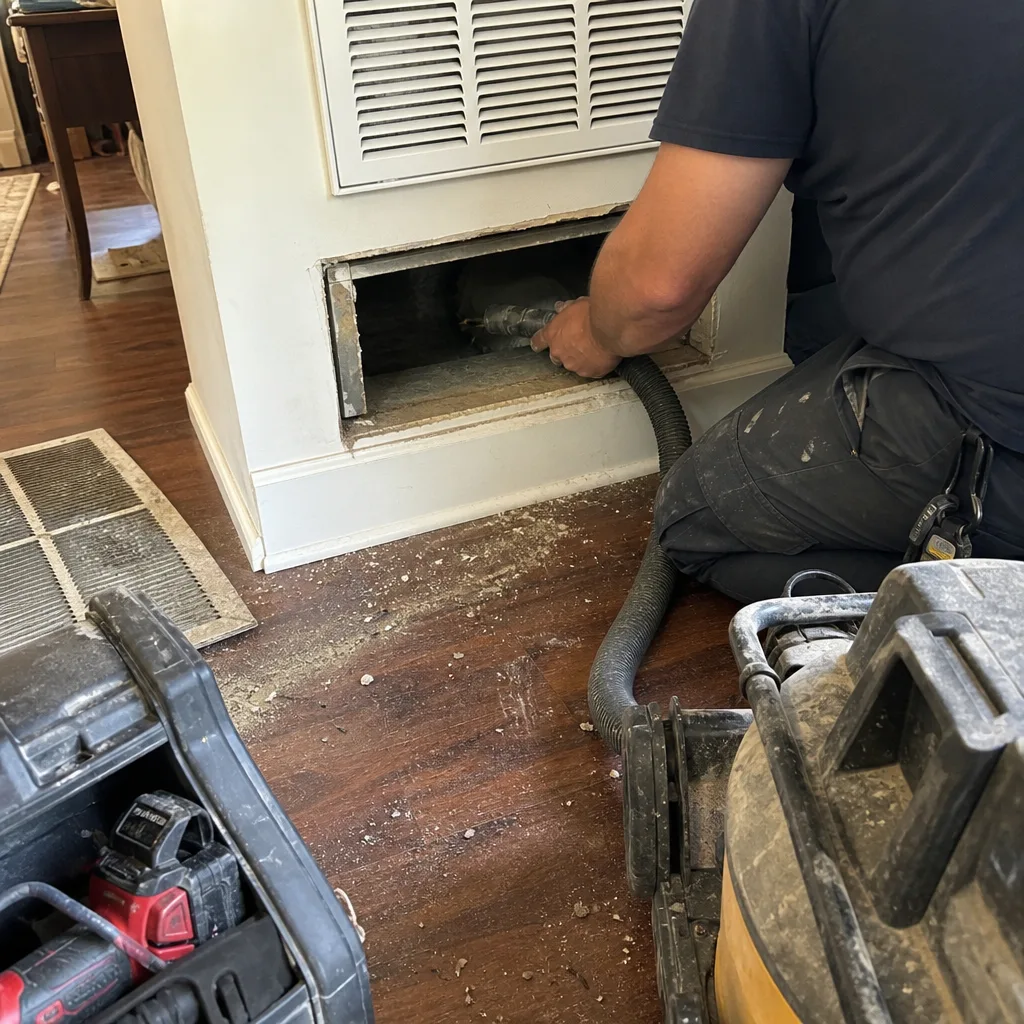 Before
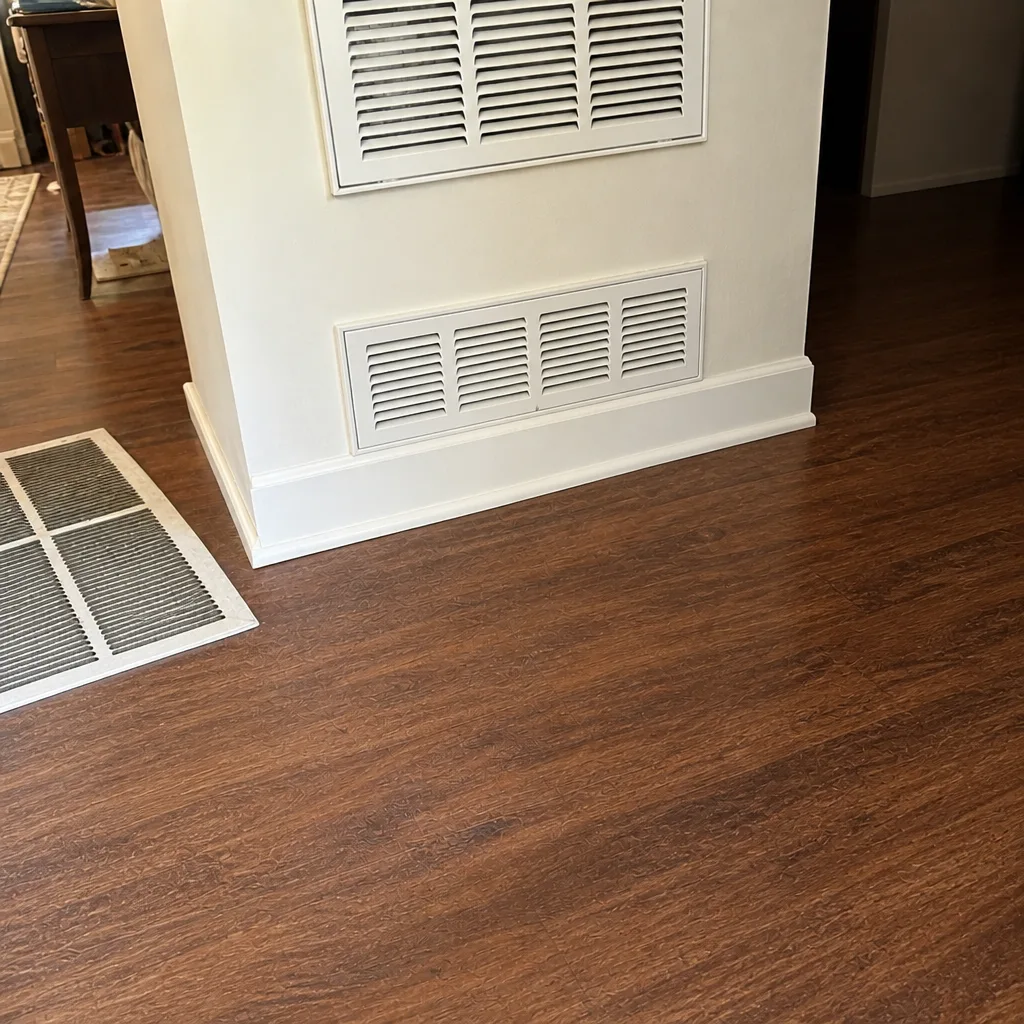 After