
Last updated November 23, 2026
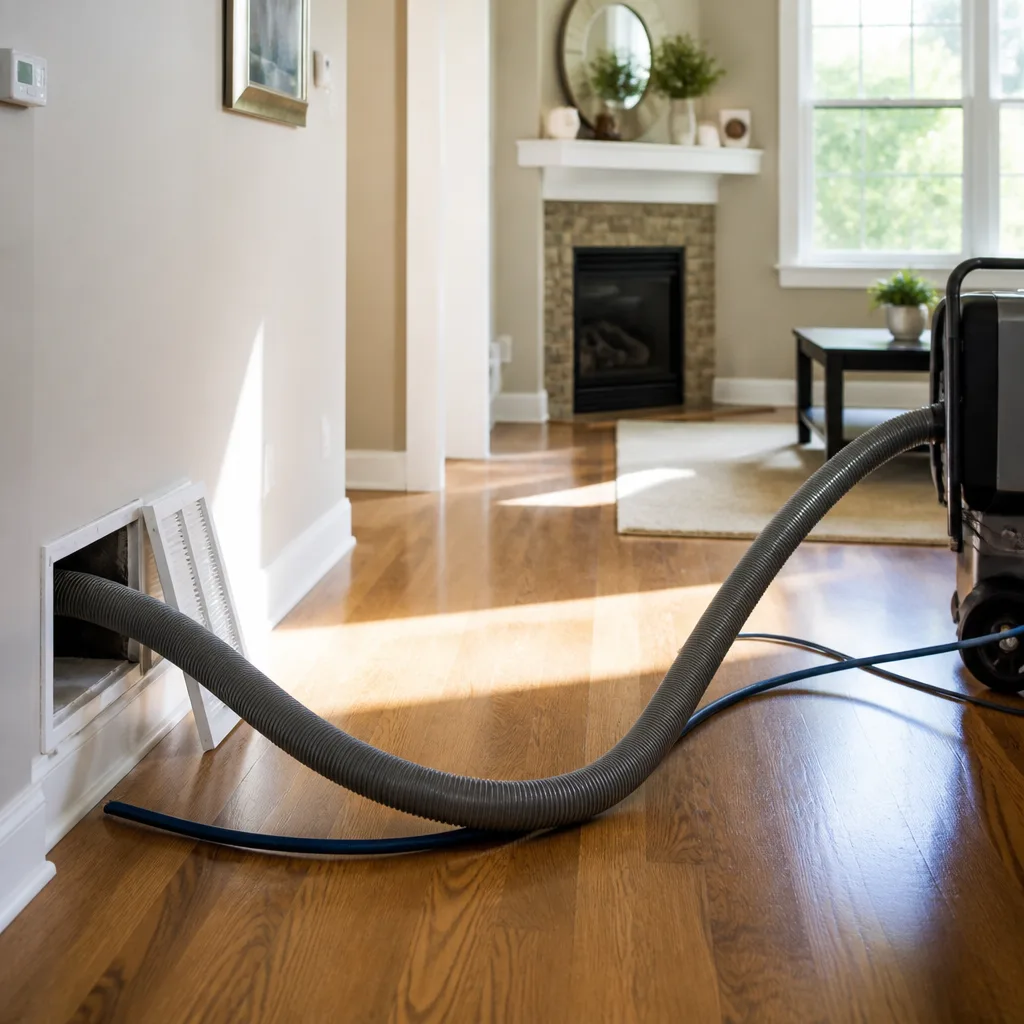 Whole-home duct cleaning
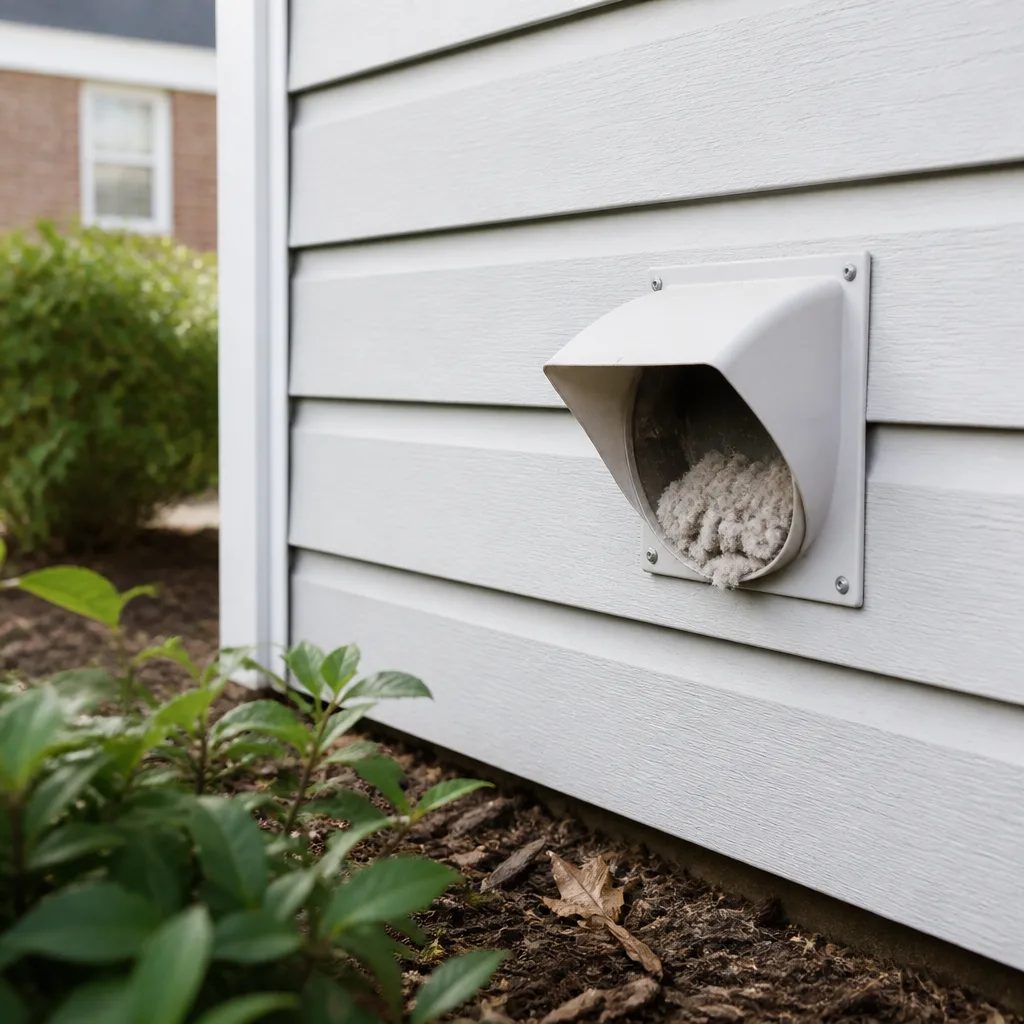 Dryer vent cleaning
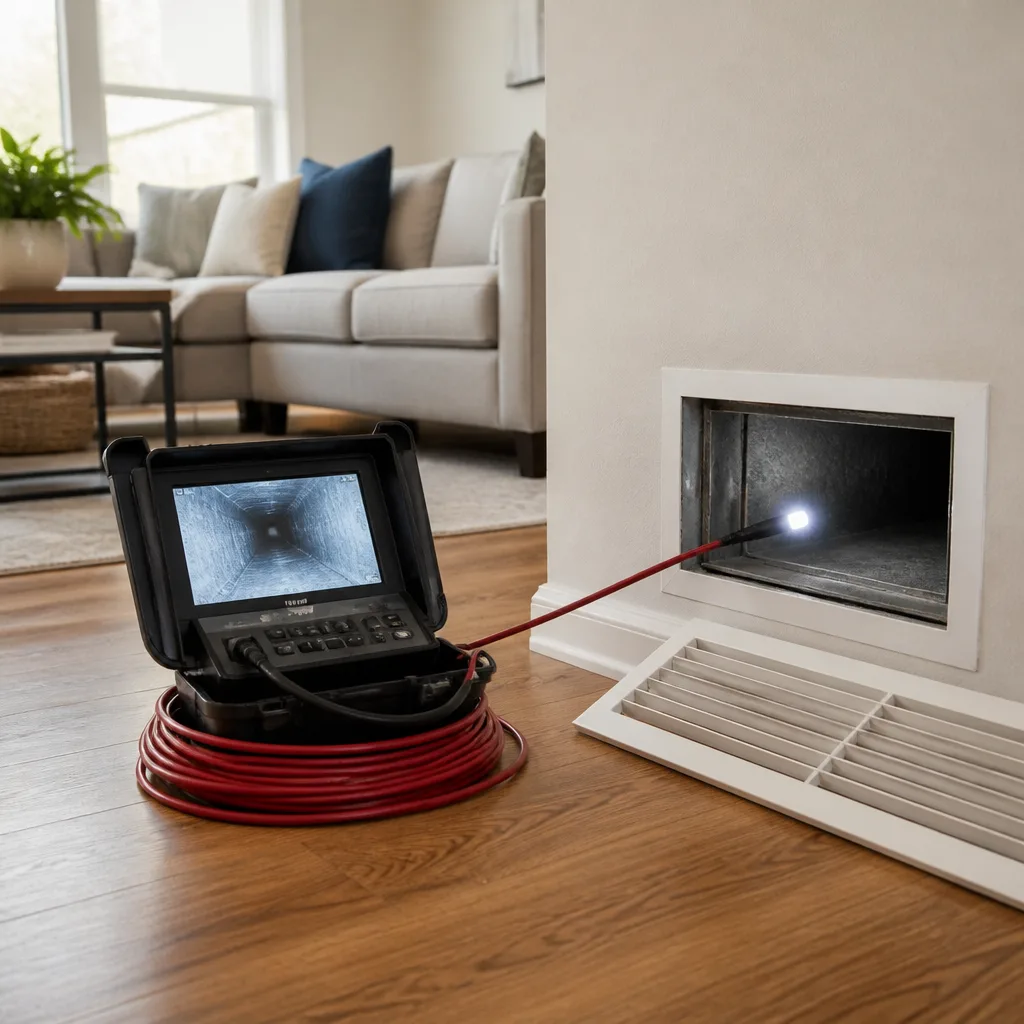 Camera inspection
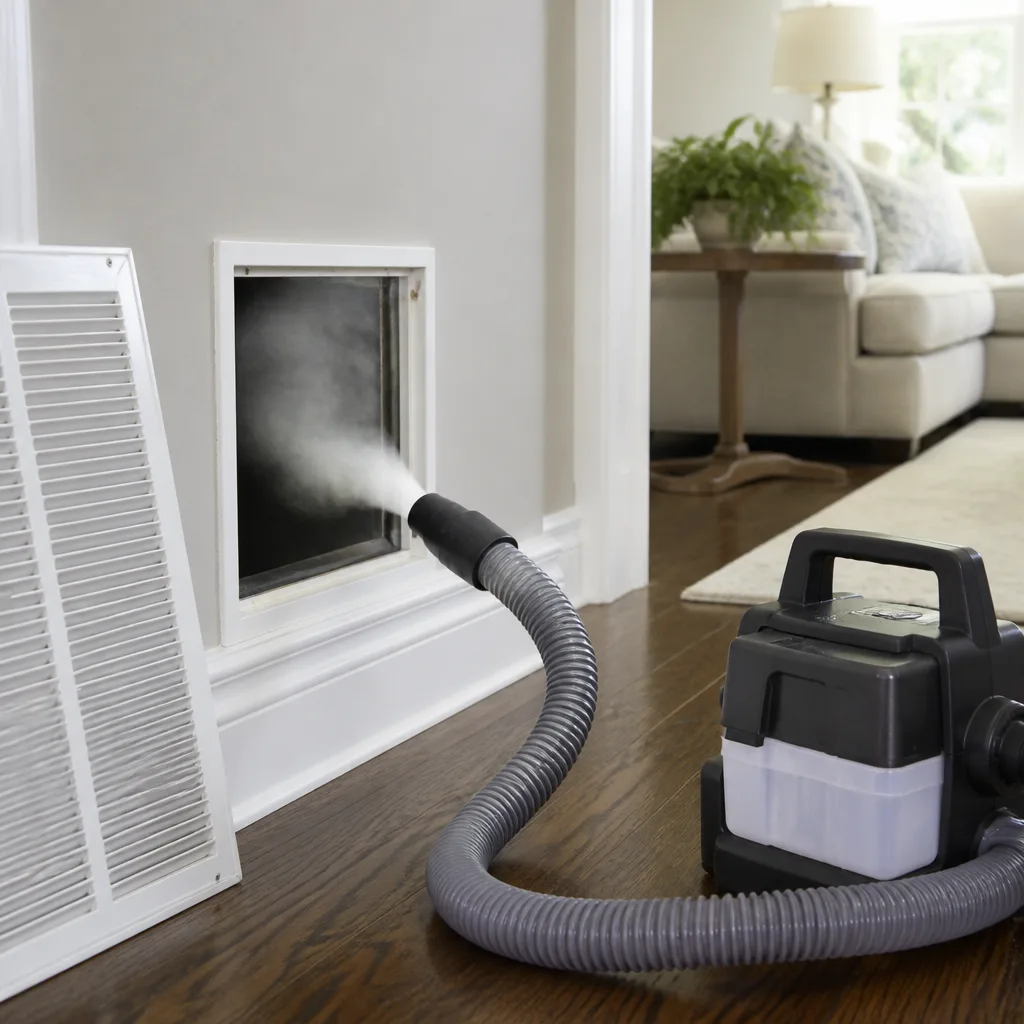 Sanitizing & deodorizing
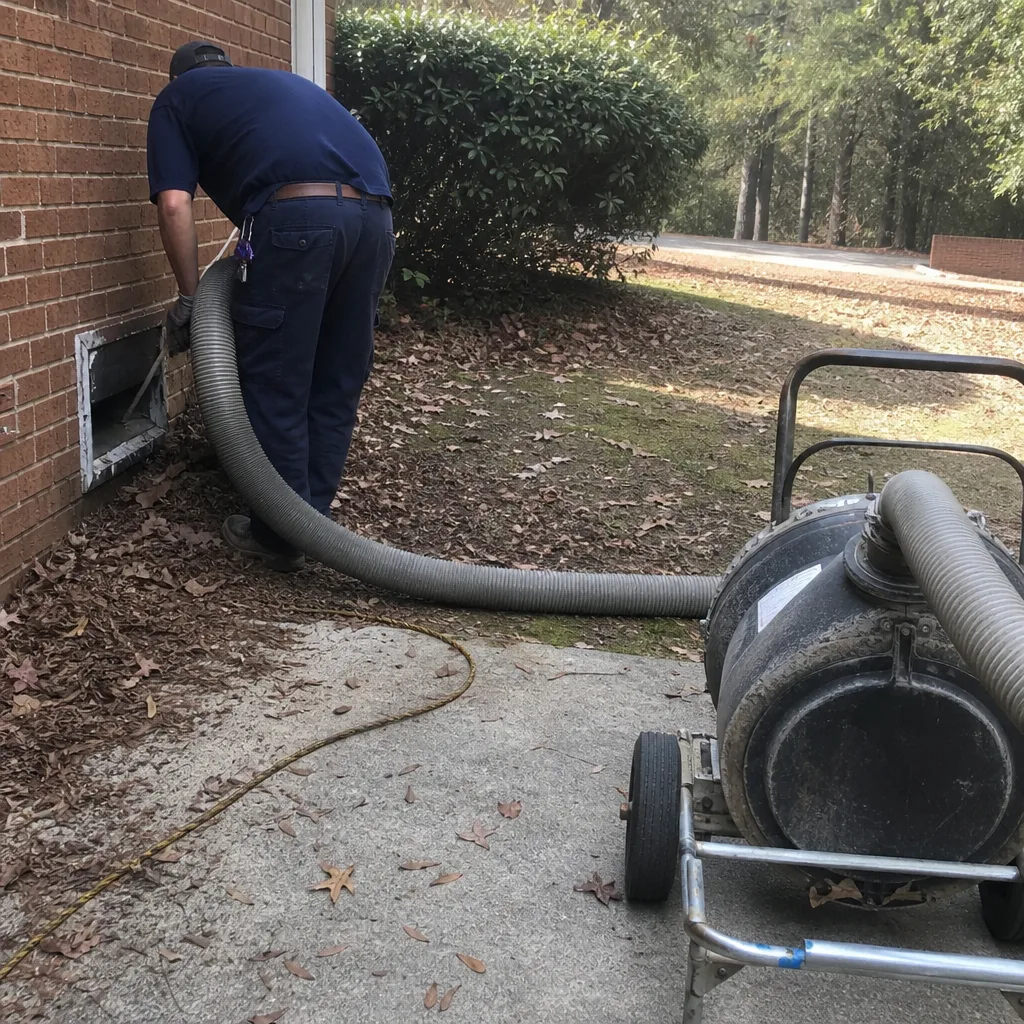
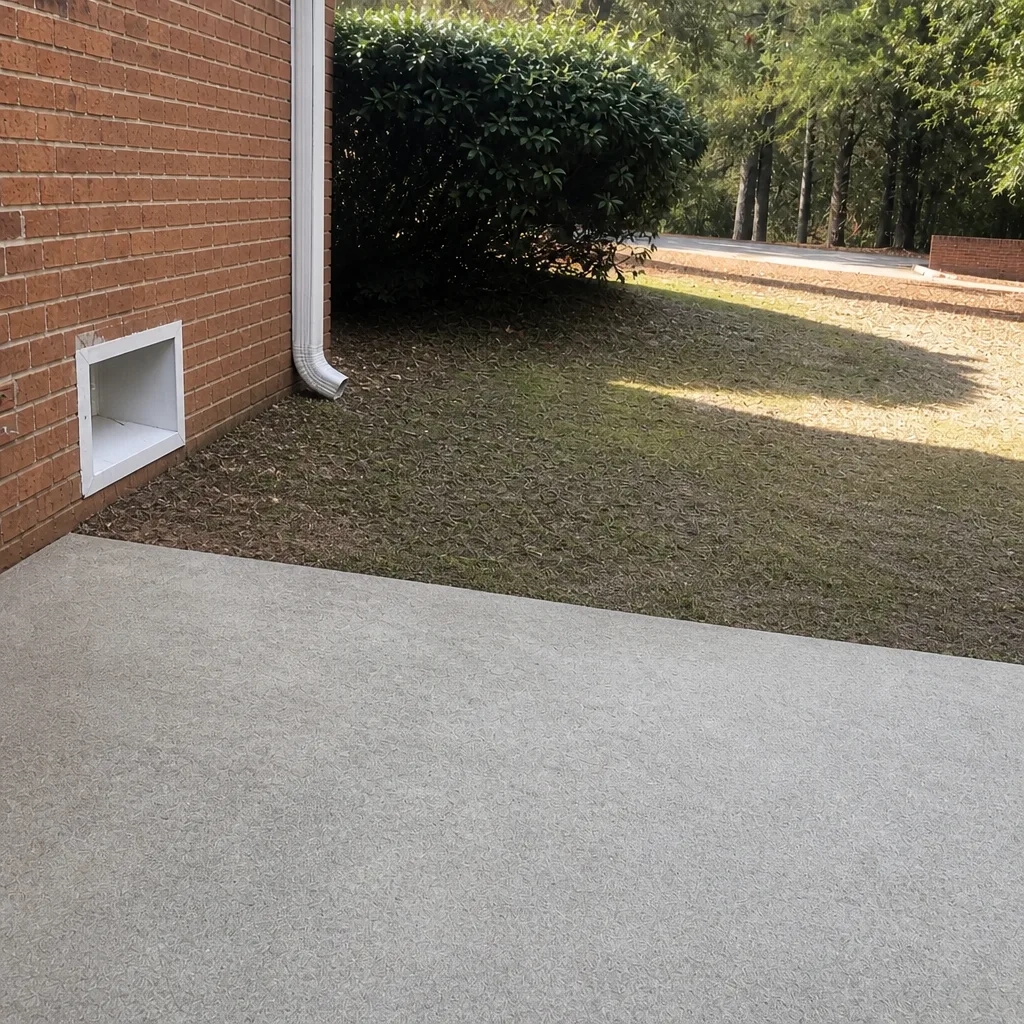
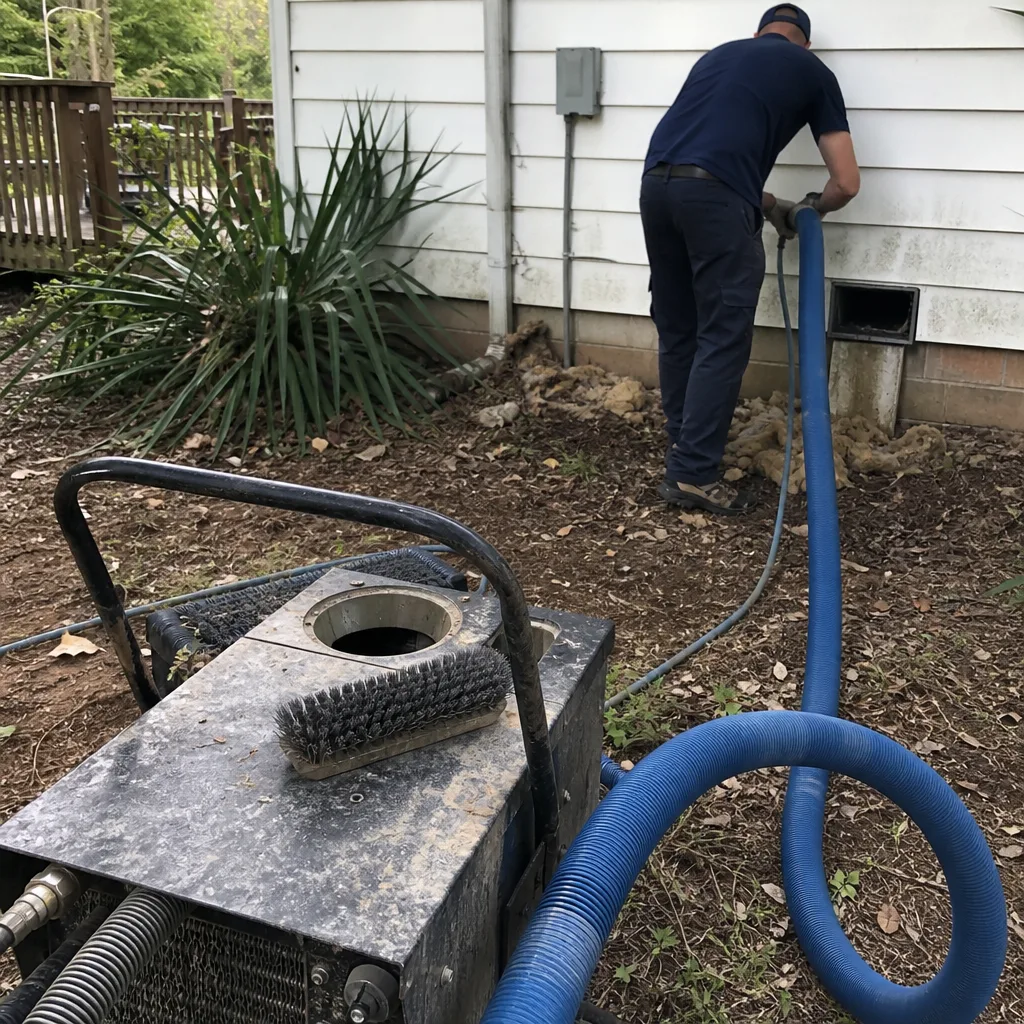
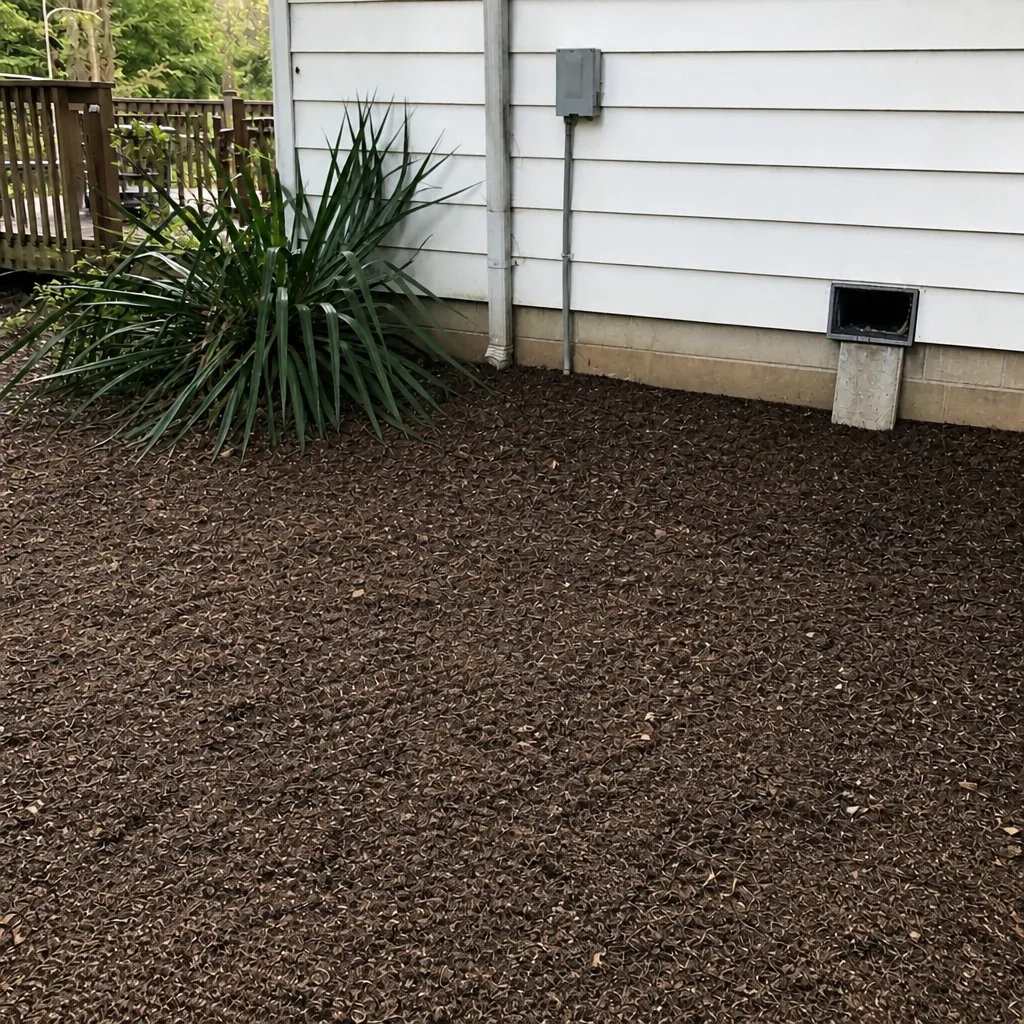
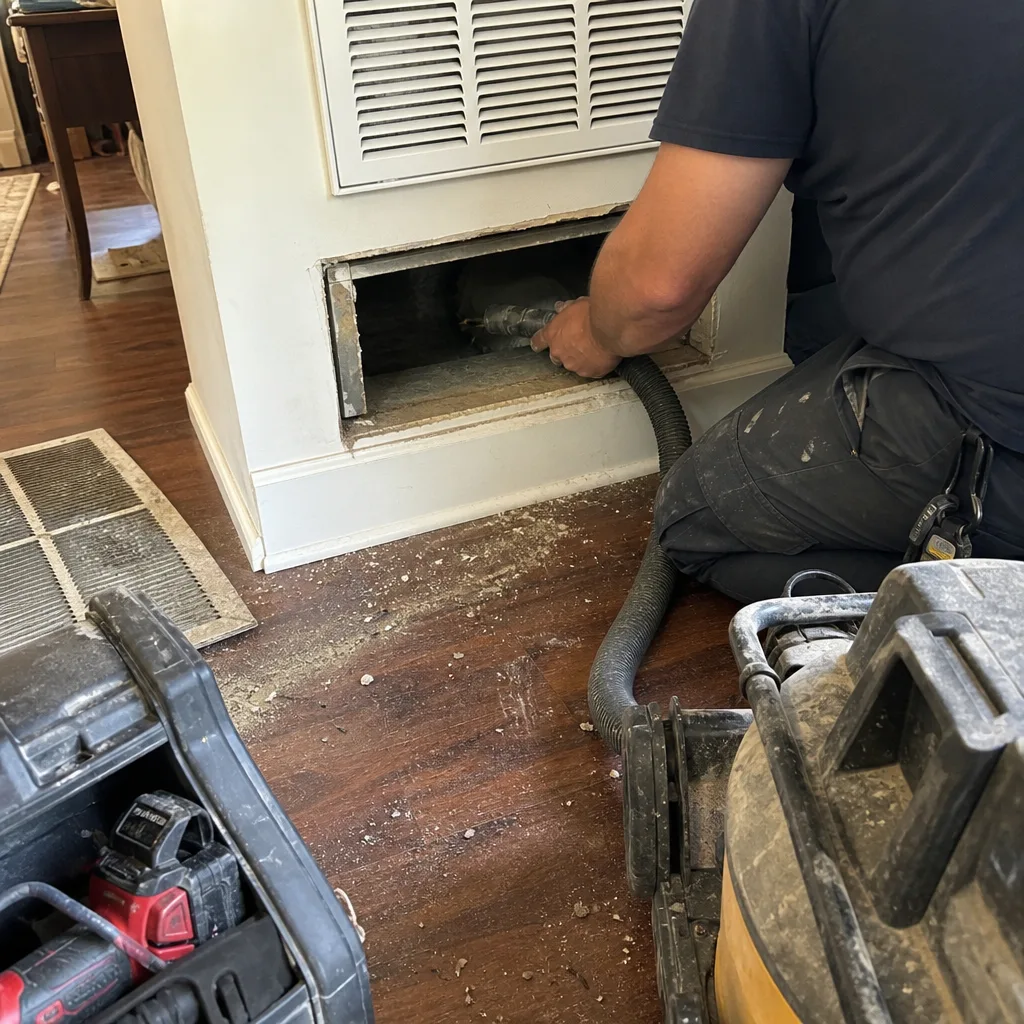
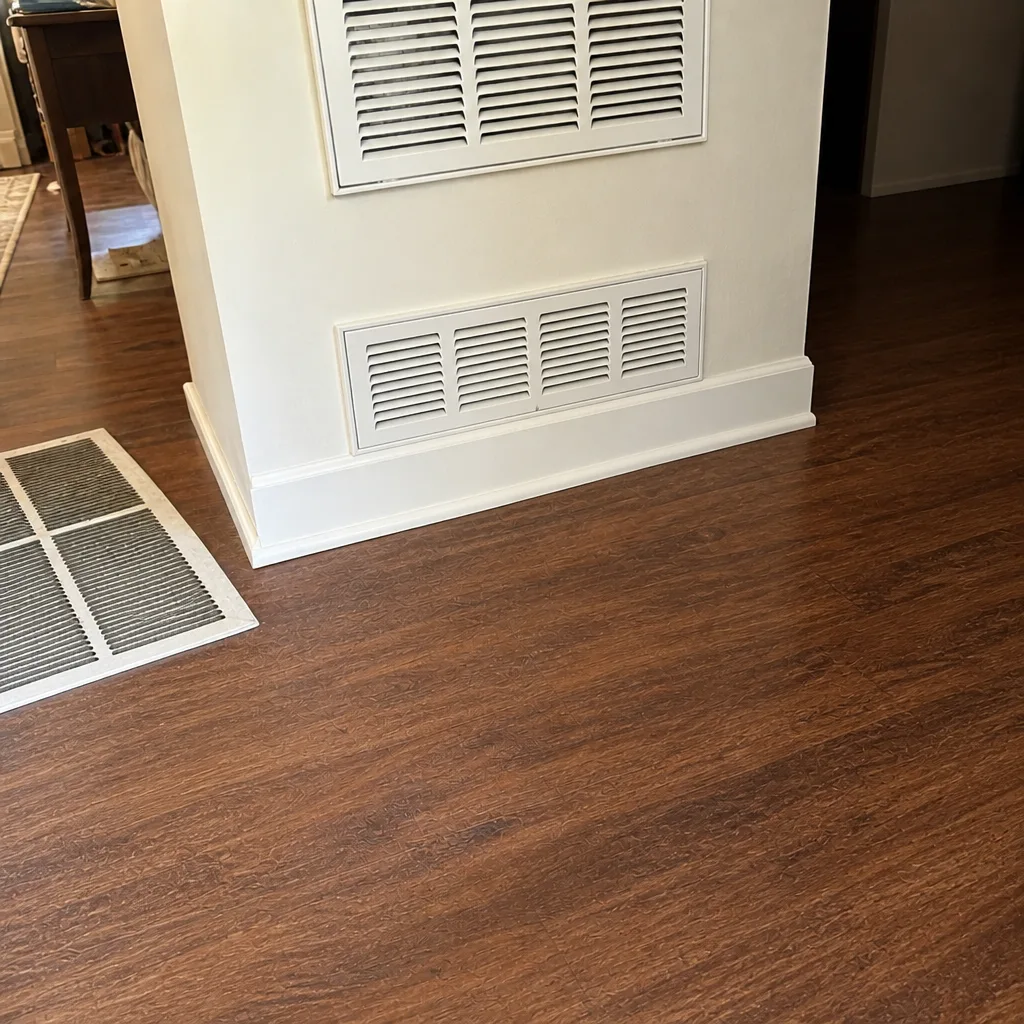
Whole-system duct and dryer vent check with before-and-after photos - you see exactly what came out of your vents
That "$99 whole-house special" is a bait ad - the real number appears once they are in your hallway, or the "clean" is a shop-vac at the register. We photograph the inside of your ducts before and after instead.
Air Duct Cleaning Emergency Preparedness Guide for Wakefield Homes
Most homeowners think of duct cleaning as a maintenance item, something you get around to when the vents look dusty. That thinking fails the moment something goes wrong. After a kitchen fire, smoke and soot particles smaller than 1 micron travel through your return ducts and coat the blower wheel and coil within minutes of the HVAC running. Keeping the system on while you clean up the kitchen pushes combustion byproducts into every room on the air pathway. In Wakefield, where severe thunderstorm season and older housing stock both raise the odds of a sudden event, having a plan before something happens is the difference between a manageable cleanup and a months-long headache. This guide walks through the real protocols: post-fire shutdown, flood assessment, storm debris, insurance documentation, and the one-page reference every home should keep near the thermostat.
Quick Answer
Emergency duct preparedness in Wakefield means knowing three things before an event: where your HVAC shutoff is, how to keep the system off after a fire or flood, and who to call for a professional assessment. The sequence matters more than the cleaning itself. Shut the system down first, keep it off until a professional confirms the duct interior is safe, and document contamination for your insurer before anyone starts work. Duct cleaning after a fire or flood is not a maintenance task; it’s part of making the home safe to occupy.
Styles & brands we work with
- Whole-home duct cleaning
- Dryer vent cleaning
- Camera inspection
- Sanitizing & deodorizing
Table of Contents
- What should you do after a house fire? The post-fire duct protocol
- How do you assess duct damage after water intrusion in Wakefield?
- What happens to air ducts during Wakefield’s severe thunderstorm season?
- How do you document duct contamination for a homeowner’s insurance claim?
- How do you build a one-page HVAC emergency reference for your Wakefield home?
- What contaminants actually travel through a duct system after a disaster?
- What’s the right order of work when rebuilding after an event?
- Common Mistakes to Avoid
- When to Call a Professional
- Frequently Asked Questions
What should you do after a house fire? The post-fire duct protocol
The first thing to do after any fire is shut the HVAC system down at the thermostat and, if you can reach it safely, at the breaker. Do not run the system to “clear the air.” Do not run fans to push smoke out through the returns. Combustion byproducts move through the ductwork in minutes and settle on the blower wheel, the evaporator coil, and the interior walls of every supply and return trunk. Every minute the system runs after a fire embeds more soot into the air pathway.
Once the fire department clears the home and your family is safe, the sequence usually looks like this:
- Confirm the system is off. Thermostat off, breaker off if safe to access, no zone controllers left running.
- Do not attempt to clean ductwork yourself. Soot from a structure fire is not the same as household dust; it carries residue from burned materials and can contain compounds you don’t want airborne.
- Call your restoration contractor and a duct specialist in parallel. Restoration crews handle structure, contents, and surface soot. Duct specialists handle the air pathway. These are different scopes and they need to talk to each other.
- Have the system professionally assessed before any duct cleaning begins. The blower wheel and coil should be inspected for soot loading, and the duct interior sampled where remediation-adjacent work is required.
- Coordinate containment. Cleaning should happen under negative pressure with HEPA filtration so loosened debris leaves the home, not recirculates through it. This is where equipment class matters. Abatement Technologies equipment, for example, is built for containment at the level remediation contractors expect.
- Replace the filter and re-inspect after cleaning. A system that was cleaned but not re-inspected is a system you’re guessing about.
In our experience across Wakefield homes, the biggest single failure point after a fire is homeowners turning the HVAC back on to see if it “still works.” It does. That’s the problem. The system runs fine while quietly coating the inside of the air handler in soot. Leave it off until a professional gives you the green light.
How do you assess duct damage after water intrusion in Wakefield?
Water in ductwork creates a deadline. Once moisture enters a duct system, the window before biological growth establishes is roughly 48 to 72 hours. After that, the question changes from “is it wet?” to “does it need remediation?” That’s not a scare tactic; it’s just how fast damp duct liner and pooled water in low spots behave.
How you assess the damage depends on where the ductwork runs:
- Crawlspace duct systems. Common in older Wakefield homes. Look for standing water in low runs, saturated insulation wrap, and compromised joints where flex duct has been submerged. Flex duct that has been under water typically gets replaced rather than cleaned.
- Slab systems. Harder to inspect from the outside. Watch for musty odors from registers, visible moisture at vents, and any register that blows damp air. If water entered the slab penetration, the interior needs to be scoped before anyone calls it dry.
- Attic and ceiling runs. After roof leaks or storm intrusion, check for water staining along the duct runs, sagging flex, and wet insulation at the connections.
- The air handler. Any water intrusion event warrants an inspection of the air handler cabinet, the coil, and the drain pan. A wet coil with debris on it is a growth site.
Turn the HVAC off until the system has been assessed. Running a wet system moves moisture through the air pathway and keeps the interior of the ducts damp for longer. If the system has been running since the flood event, that’s information a professional needs to know, because the risk of dispersal is higher. When we scope a system after water intrusion in Wakefield, we’re checking the interior liner, the duct joints, and the air handler together. Cleaning alone doesn’t fix a wet duct problem; drying, assessing, and in some cases replacing compromised sections comes first.
What happens to air ducts during Wakefield’s severe thunderstorm season?
Severe thunderstorms in the Wakefield area bring wind-driven rain, tree debris, and sudden pressure changes. Most homes come through fine. The failures we see follow a pattern, and the pattern is almost always at the intake side of the system rather than the supply vents.
Outdoor air intakes, fresh-air returns, and combustion air pipes are the entry points. When a storm drives debris, water, and airborne particulates against the exterior, those openings can pull material in. That material lands at the air handler and the filter, not in your living room. Which means you often don’t notice a problem until the filter loads up fast, the system starts short-cycling, or air quality drops inside the home days later.
What to check after a major storm event:
- The filter. If it’s noticeably darker or matted within days of a storm, something came in through the intake.
- Outdoor intake and vent terminations. Look for visible debris, standing water at the pipe, or damage to the exterior grille.
- The air handler. A technician should look at the blower wheel and coil after a significant debris event; those are where the material ends up.
- Registers inside the home. Unusual odors, visible dust puffs when the system starts, or a sudden change in airflow point to a problem upstream.
Construction and renovation debris follows the same logic. When a home in Wakefield is having drywall work, roofing, or a major remodel done, the return ducts pull fine dust and construction particulate into the system continuously. That’s why we recommend a professional duct cleaning and a filter change after significant renovation work, not just after a storm. For the broader picture of what a standard cleaning involves, see our air duct cleaning service page.
How do you document duct contamination for a homeowner’s insurance claim?
Insurers treat duct contamination as a separate maintenance item unless it is clearly documented as part of the loss event. The difference between the two is documentation. If your adjuster sees a line item for “duct cleaning” without a paper trail connecting it to the fire or flood, the claim gets separated and you end up paying out of pocket. If it’s documented as part of the contamination event, it belongs in the claim.
What to have ready for your adjuster:
- Photos taken before cleanup starts. Registers, air handler, filter, and any visible debris inside the duct openings. If you can photograph the loaded filter, do it.
- A written timeline of the event. When the fire or flood happened, whether the HVAC ran afterward, and for how long.
- A professional assessment in writing. A duct specialist’s report describing the condition, the equipment used (negative air, HEPA filtration), and why cleaning is required as part of restoration. This is not the same as a general contractor’s scope sheet.
- Coordination with your restoration contractor. Restoration companies often handle the interior soot and contents. The duct scope should be a distinct line item so the adjuster sees the air pathway was addressed as its own system.
- Product documentation of what was used. Cleaning equipment and any sanitizing products used in the air pathway should be listed. Adjusters understand equipment brands and containment levels better than most homeowners assume.
One thing to say clearly to your adjuster: this is not preventive maintenance. It’s remediation of a contaminated air pathway following a covered loss. The distinction matters. In Wakefield, we’ve seen claims move forward smoothly when the homeowner walked the adjuster through the sequence – system off, contamination documented, assessment on file, cleaning under containment – and we’ve seen claims stall when the only document was a phone quote.
How do you build a one-page HVAC emergency reference for your Wakefield home?
Make the sheet before you need it. Sitting down for fifteen minutes on a normal afternoon is far easier than trying to find your breaker panel in the dark while the kitchen smells like smoke. The reference should live in a folder with your home documents and a copy should be taped inside a closet near the air handler.
What goes on the page:
- HVAC system shutoff location. The breaker position, the disconnect switch if the condenser has one, and the gas valve if the system is gas-fired. Write down the exact location, not just “the panel.”
- Filter specs. Write down the exact size, the MERV rating the system was designed for, and where the filter sits. This matters after a fire, when a slightly higher-efficiency filter helps during cleanup, and after a storm, when you want to check loading quickly.
- Air handler location and access notes. Where it is, how to open the panel, and whether any of it is in a crawlspace.
- Duct system type. Rigid metal, flex, or a mix. Slab, crawlspace, or attic runs. Any known leaks or areas the previous inspection flagged.
- Duct professional contact. Phone number, and a note about what services they offer. If a company only cleans and doesn’t seal or repair, the note should say so, because after a fire or flood you may need the full scope.
- Restoration contractor contact. Most homeowners have their plumber and electrician saved but not a restoration company. Add one now.
- Insurance policy number and adjuster line. The policy number on the same sheet as the HVAC info means your first call has everything in one place.
Take photos of the finished page and store them in your phone’s notes app. A paper sheet in a closet is useful; a photo you can pull up at the curb outside your home after a fire is useful in a different way. If you’re already thinking about the broader air pathway, our guide to dryer vent cleaning covers one more component that belongs in the emergency plan, because lint fires follow their own timeline.
What contaminants actually travel through a duct system after a disaster?
What’s circulating through your home after a fire, flood, or major storm event isn’t a single thing. It’s a mix, and the composition drives what needs to happen.
After a fire: Soot and combustion byproducts, including fine particulate and residue from burned materials. Soot loading on a blower wheel is visible. Soot inside return trunks often isn’t, which is why assessment comes before cleaning. Smoke odor can persist in duct liner long after visible soot is gone.
After a flood or water intrusion: Moisture, sediment from outdoor water, and the biological growth that follows when the interior of a duct stays damp. If the system has been running since the event, dispersal reaches further into the home.
After a storm: Wind-driven particulate, pollen, and construction debris pulled in through the outdoor intake. This is a lower-severity scenario, but for households with asthma or allergies, the effect can still be significant.
After renovation: Drywall dust, silica particulate, and construction debris. Fine dust that enters through the return side coats the blower wheel and settles along the supply runs.
Containment is where equipment class separates a professional job from a shop-vac job. Cleaning under negative air pressure with HEPA filtration means loosened debris gets trapped rather than recirculated. Nikro negative-air units and HEPA equipment are built for this. Rotobrush rotary brush systems agitate duct interiors mechanically, which is why certified restoration contractors rely on the same platform. When a home in Wakefield has asthma or mold concerns, that equipment class matters more than the coupon on the flyer. Abatement Technologies equipment in the service lineup signals that a duct cleaning company can operate at the containment level remediation work requires.
For homes with a history of air quality concerns, cleaning is often paired with sanitizing. Our HVAC cleaning approach covers the air handler and coil, which are the components most likely to hold debris and moisture after an event, and our air quality and sanitizing service covers the treatment step that follows the cleaning. Aprilaire and Honeywell products come into play when a homeowner wants to go further with filtration or humidity control after a documented event.
What’s the right order of work when rebuilding after an event?
Getting the sequence wrong is the most expensive mistake in a post-event rebuild. Duct cleaning that happens before structural work is finished will need to be repeated. Sanitizing before the source of moisture is fixed treats a symptom. Work through the steps in this order and you won’t pay to do anything twice.
- Structural drying and damage repair. Roof, walls, crawlspace. Get the building envelope dry before touching the air pathway.
- Air handler assessment. The blower wheel, coil, and drain pan get inspected before any duct cleaning. If components are compromised, they’re replaced or restored first.
- Duct assessment and any repair or sealing. Leaky ducts re-contaminate a cleaned system. If joints, connections, or flex transitions are damaged, this is the moment to repair and seal. Duct repair and sealing closed the loop that cleaning alone leaves open.
- Duct cleaning under containment. Negative air pressure, HEPA filtration, mechanical agitation. This is where the professional-grade equipment matters more than the price on the invoice.
- Sanitizing the air pathway. If the event involved water, fire, or documented biological growth, this is the step that treats what cleaning can’t reach.
- Filter replacement and system restart. New filter, verified airflow, and a walk-through of every register so you know the system is behaving before the family moves back in.
For homes that combine an event with a renovation, treat the renovation as a separate phase. Duct cleaning after the drywall work is done, not before. If you’re working with a property manager or a general contractor, hand them the sequence in writing. The order of work is not negotiable if you want the result to hold. Our full service lineup at Wakefield Air Duct Cleaning Pros is set up to handle all five steps under one scope, which means the sequence doesn’t get split across three vendors who each think someone else is doing step three.
Common Mistakes to Avoid
- Running the HVAC to “clear the air” after a fire. This is the single biggest mistake. The system doesn’t filter soot out of the air; it embeds it into the blower wheel, coil, and duct interior. Leave the system off until a professional confirms it’s safe to run.
- Cleaning ducts before structural drying is done. In a Wakefield home after water intrusion, cleaning a duct system that’s still connected to a damp crawlspace just means you’ll be back on the phone in a week. Dry first, then clean.
- Treating duct cleaning as a maintenance line item on the insurance claim. Adjusters separate it out unless it’s documented as part of the loss event. Get the professional assessment in writing before the cleanup starts.
- Skipping duct repair and sealing because cleaning “looks” like it fixed the problem. Leaky joints re-contaminate a cleaned system within a season. Cleaning alone doesn’t close the gaps that let particulate back in.
- Hiring on price alone after an event. A post-fire or post-flood duct job needs containment-grade equipment. A van with a shop vac and no negative air capability will spread what it should be capturing.
- Forgetting the outdoor intake and air handler until the system fails. After a severe storm, the filter and air handler are the first places to check. They’re also the easiest to overlook.
- Not writing down the shutoff location before you need it. In an emergency, knowing where the breaker and gas valve are is the difference between a two-minute shutdown and a ten-minute search while smoke spreads.
When to Call a Professional
Call a duct professional after any fire, any water intrusion event that reached the crawlspace, slab, or air handler, and any storm or renovation event that visibly loaded the filter. Call if you smell musty air from the registers, if the air handler has visible debris on the coil, or if you’re not sure the system has been properly assessed since the event. Those scenarios need professional-grade equipment: negative air, HEPA filtration, and mechanical agitation. Not a rental tool and an afternoon. For homes in Wakefield with asthma, allergies, or mold concerns, that threshold is even lower.
Wakefield Air Duct Cleaning Pros offers free estimates in Wakefield – call (866) 947-9162. We answer 24/7. Fast dispatch from 7am to 7pm, Sunday through Friday. One flat price per system is agreed before any work starts, and before-and-after photos of your ducts are part of the job, not something you have to ask for.
Frequently Asked Questions
Typical post-event duct cleaning in the Wakefield area runs in a wide range because scope varies with home size, system layout, and how much contamination is involved. A straightforward post-storm or post-renovation cleaning on an average home typically falls in the several-hundred-dollar range, while a post-fire or post-flood system that requires containment-grade equipment and air handler cleaning costs more. You’ll get a written estimate before any work starts, and the price is set per system, not per vent. Call (866) 947-9162 for an exact quote – estimates are free.
No. Keep it off. Soot from a fire, even a small kitchen fire, travels through the return ducts within minutes of the system running, and the blower wheel and coil catch the finest particles first. The right move is to shut the system down at the thermostat and breaker, document the condition, and wait for a professional assessment before it runs again. Call (866) 947-9162 if you’re not sure how to shut the system down safely – we’ll walk you through it.
The practical window is 48 to 72 hours before biological growth establishes in damp duct interiors. If water reached the crawlspace, the slab, or the air handler, the system should stay off and be assessed inside that window. Wet flex duct that has been submerged typically needs replacement, not cleaning. Call (866) 947-9162 to schedule an assessment – the earlier the timeline starts, the more options you have.
Coverage depends on your policy, but duct contamination is far more likely to be included in a claim when it’s documented as part of the covered loss event rather than as routine maintenance. The documentation package – photos before cleanup, written timeline, professional assessment, equipment list – is what moves it from “maintenance” to “remediation” in the adjuster’s file. Call (866) 947-9162 if you need a professional assessment in writing for your claim.
The equipment class and the scope. A cleaning-only company runs a vacuum and a brush. A duct specialist for post-event work uses containment-grade equipment: negative air units and HEPA filtration so loosened debris leaves the home, and mechanical brush systems that agitate duct interiors. They also handle repair and sealing, which is what keeps a cleaned system from re-contaminating. If the company you’re considering only cleans, ask who’s sealing the leaks afterward. Call (866) 947-9162 to talk through your situation.
Because they’re not quoting the same job. A low quote usually covers a surface vacuum pass and nothing else: no containment, no air handler inspection, no repair and sealing, no documentation for insurance. That’s fine for a routine maintenance clean, and wrong for a post-fire or post-flood scope. Ask two questions before you hire: what containment equipment do you use, and do you photograph before and after? Call (866) 947-9162 for a quote that covers the actual scope – estimates are free and there’s no coupon-and-upsell pricing.
The Bottom Line
Emergency duct preparedness isn’t complicated, but it does require doing things in the right order. Shut the system down first after a fire or flood; keep it off until a professional assesses the air pathway. Document contamination before cleanup so it belongs in the claim, not the maintenance file. Dry and repair before you clean, and clean under containment with equipment that captures what it loosens rather than spreading it. Build the one-page HVAC reference this week, not next month. And when something does happen in your Wakefield home, call a specialist whose scope covers cleaning, repair, sealing, and sanitizing as one job. Our technicians have up to 9 years of experience and the equipment list is the kind certified restoration contractors use for the same work.
Call (866) 947-9162 for a free estimate. We answer 24/7. Fast dispatch from 7am to 7pm, Sunday through Friday. The local pro is licensed and insured as their state requires, one flat price per system is agreed before work starts, and before-and-after photos of your ducts come with every job. Estimates are free, so there’s no reason to guess at scope or cost.
Written by the team at Wakefield Air Duct Cleaning Pros.
See the difference
 Before
 After
 Before
 After
 Before
 After