
Last updated November 23, 2026
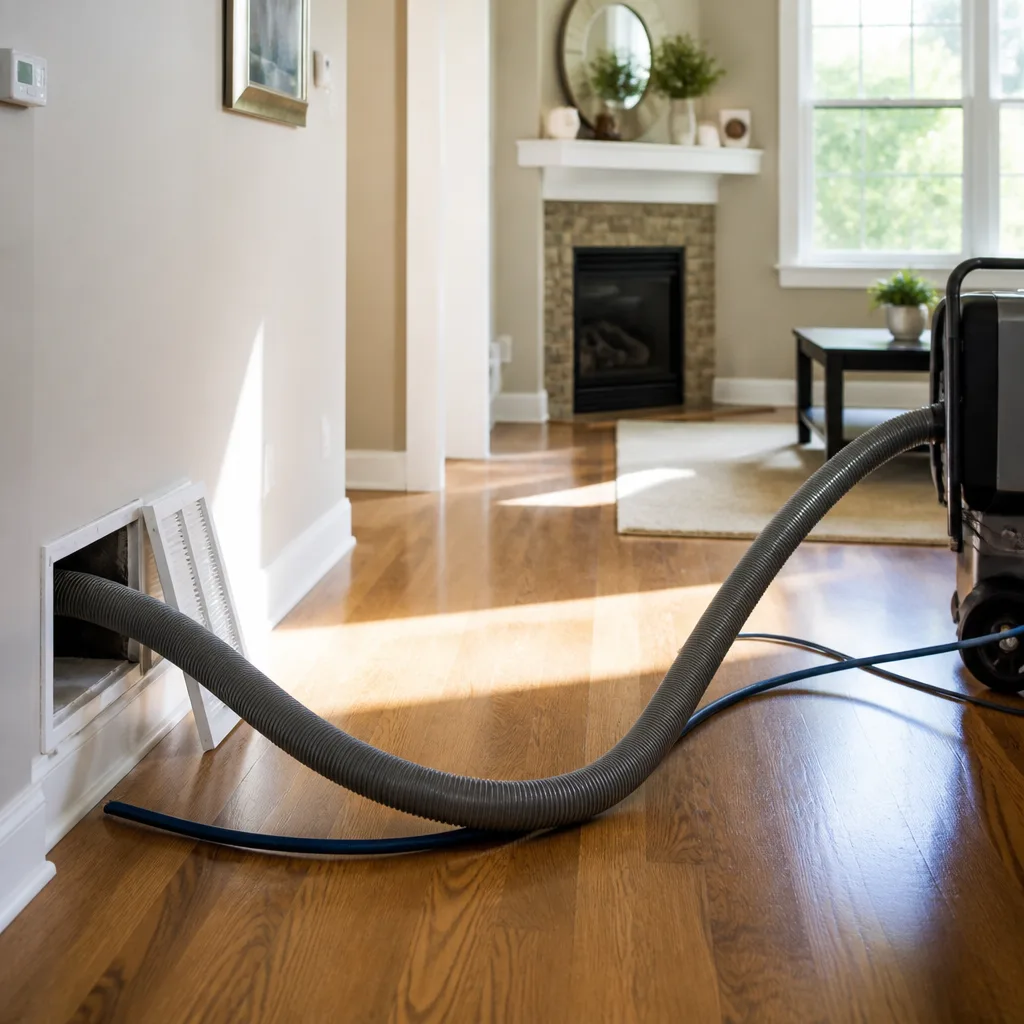 Whole-home duct cleaning
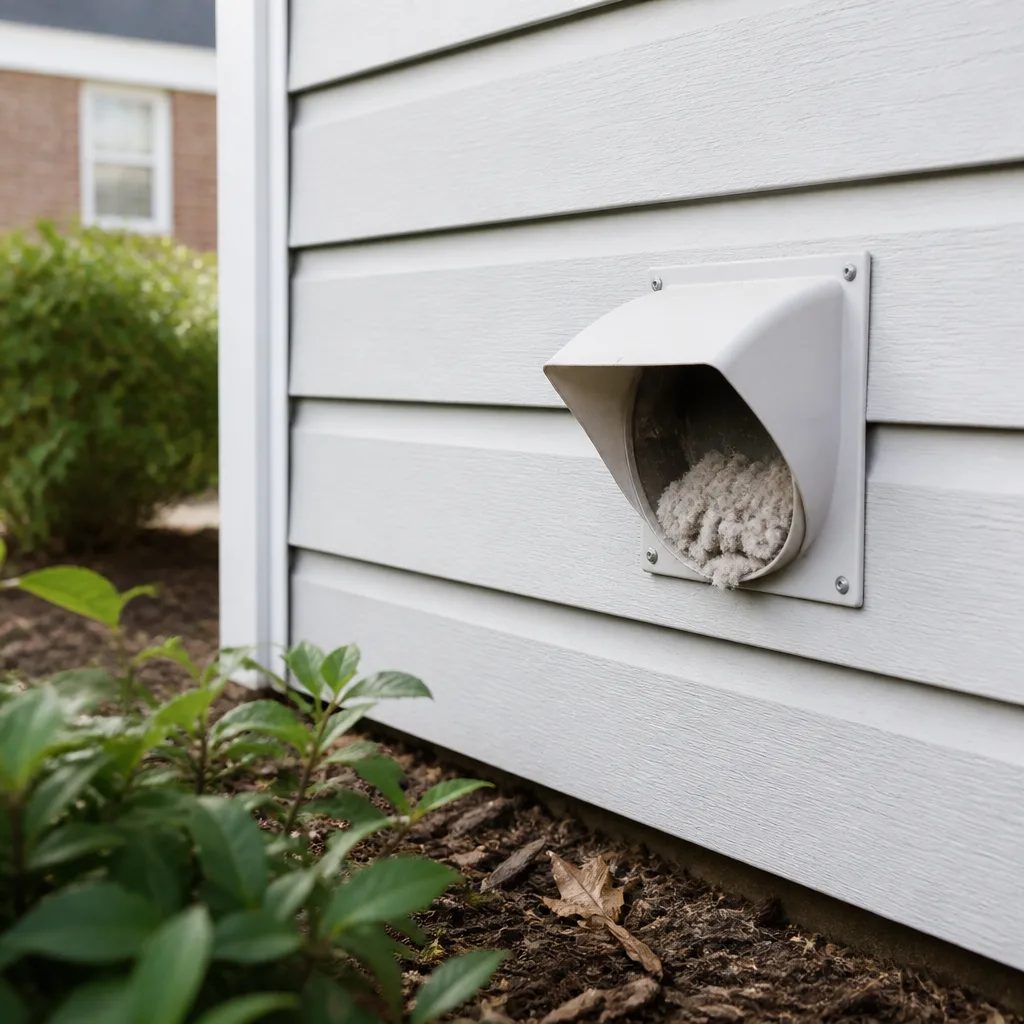 Dryer vent cleaning
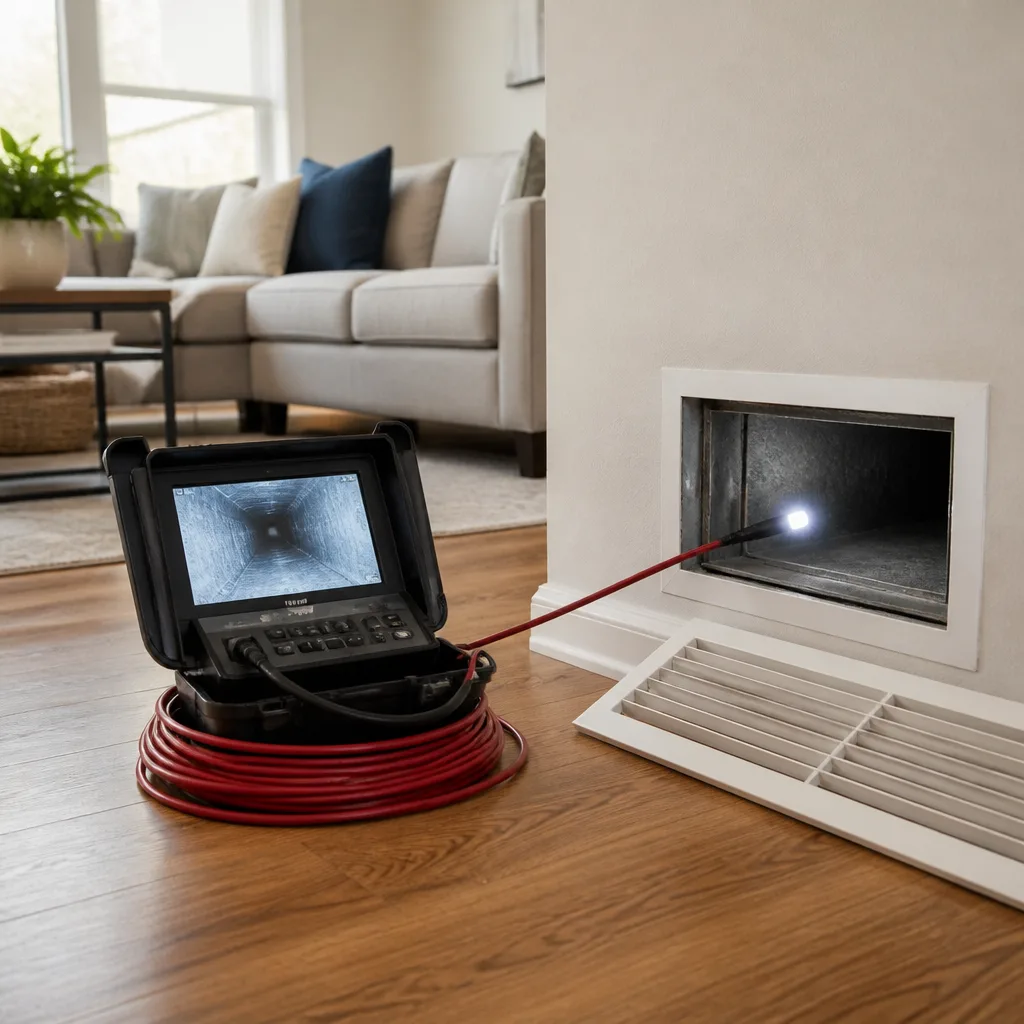 Camera inspection
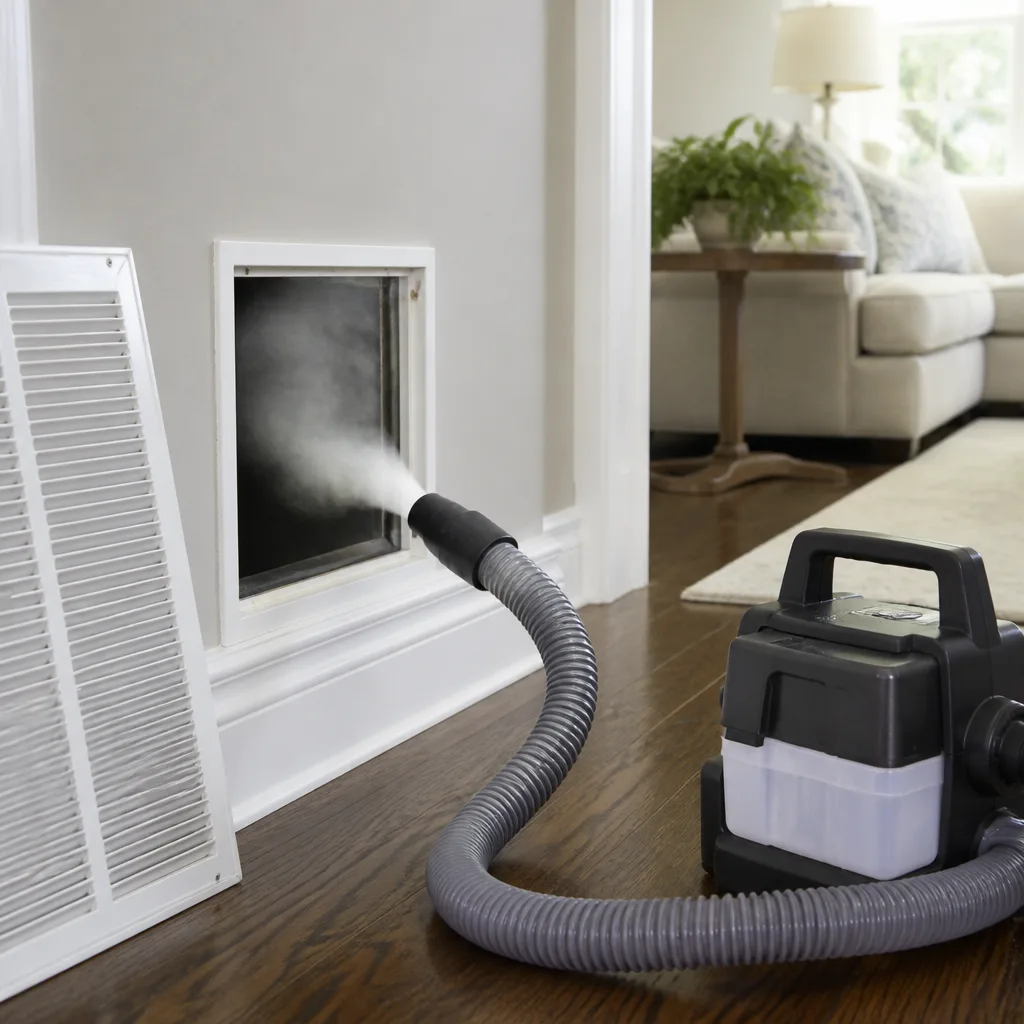 Sanitizing & deodorizing
Whole-system duct and dryer vent check with before-and-after photos - you see exactly what came out of your vents
That "$99 whole-house special" is a bait ad - the real number appears once they are in your hallway, or the "clean" is a shop-vac at the register. We photograph the inside of your ducts before and after instead.
Air Duct Cleaning Maintenance Checklist for Wakefield Homeowners
Changing your filter on schedule is not the same as maintaining your duct system. A filter that sits slightly too small in its frame, or that gets pulled off its track by strong return-air suction, lets unfiltered air slip past the edges. That air carries dust, pollen, and drywall dust straight into the ductwork, where it settles on surfaces the filter was supposed to protect. The homeowner keeps changing filters, feels responsible, and never learns that the system has been bypassed for months. This guide is built around those failure points rather than generic HVAC reminders. You’ll learn what to check yourself, what to log, and when a task belongs to a professional.
Quick Answer
A working maintenance routine for a Wakefield home covers five things: filter fit and bypass, accessible duct joints and flex connections, condensate drain flow, register and grille cleaning on a short cycle, and full interior duct cleaning on a longer one. Check the small items yourself every one to three months, and bring in a professional for interior duct cleaning and any sealing work. The checklist below ties each task to a specific air quality or efficiency outcome, so nothing on it is busywork.
Styles & brands we work with
- Whole-home duct cleaning
- Dryer vent cleaning
- Camera inspection
- Sanitizing & deodorizing
Table of Contents
- Step 1: Detect Filter Bypass Before It Coats Your Ducts
- Step 2: Inspect Accessible Duct Joints and Flex Connections
- Step 3: Check the Condensate Drain Line Before Summer Humidity Arrives
- Registers and Grilles vs. Interior Ducts: Two Different Schedules
- How Often Does a Wakefield Home Need Full Interior Duct Cleaning?
- Why Cleaning Without Sealing Undoes Itself
- What to Log After Every Service Visit
- A Twelve-Month Maintenance Timeline for Wakefield
Step 1: Detect Filter Bypass Before It Coats Your Ducts
Filter bypass is the single most common reason a well-intentioned homeowner ends up with dirty ductwork. The filter is doing its job in the middle, but air is taking the easier path around the edges. Here’s how to spot it without any tools.
- Pull the filter and look at the frame. A dark, even dust shadow around the inside edge of the filter slot means air has been flowing around the filter rather than through it. Clean frames show light, uniform dust at most.
- Check the filter’s fit in the slot. It should touch all four sides with no visible gap. A filter that slides loosely or drops when you let go is undersized for the housing.
- Look at the filter’s downstream face. If the side facing the blower is dusty, particles are getting past. That side should stay noticeably cleaner than the intake face.
- Watch for filter collapse. High static pressure can bow a filter inward or pull it off its track entirely. A filter that won’t stay seated needs a housing fix, not a thicker filter.
- Check for a missing filter door gasket. Many air handlers have a thin gasket on the filter access panel. A worn or missing gasket pulls unfiltered attic or closet air into the return.
The fix depends on what you find. Sometimes a correctly sized filter solves it. Sometimes the filter housing itself is warped or the slot is too wide, and no off-the-shelf filter will seal it. That second case is where a small sealing job pays for itself. Every particle that bypasses the filter lands on your evaporator coil or your duct lining, and neither is easy to clean once it’s coated.
While you’re at the air handler, note the filter’s stated size on your phone. Buying the right size every time removes the most common cause of bypass in the first place.
Step 2: Inspect Accessible Duct Joints and Flex Connections
Duct joints are where efficiency quietly leaks away. A gap at a flex connection or a taped joint that has dried and peeled lets conditioned air escape into a wall cavity or attic. It also works in reverse: in a depressurized house, those same gaps pull attic air, insulation fibers, and outdoor dust into the airstream. You don’t need to open walls to catch the obvious ones.
- Start at the air handler plenum. Look at where the metal duct meets the cabinet. Tape or mastic that has cracked, curled, or fallen away is a leak.
- Follow the first ten feet of trunk line. Check every seam, collar, and takeoff. Dark streaks on the duct surface or dust patterns on nearby insulation are signs of moving air where there shouldn’t be any.
- Look at flex duct connections. The inner liner should be sealed to the collar with mastic or a proper clamp, and the outer jacket should be pulled tight and sealed. A flex run where only the outer jacket is attached has an open inner liner.
- Check for sagging or crushed flex runs. A flex duct that sags more than a gentle curve, or that’s pinched behind a joist, restricts airflow and raises pressure in the rest of the system.
- Feel for air at joints while the system runs. A hand held near a joint will find a leak that looks perfectly sealed.
Small gaps are fixable, but the fix matters. Standard cloth duct tape dries out and fails. Mastic or a proper foil-backed tape holds. When the leaks are extensive, or when joints are hidden behind finished surfaces, professional air duct cleaning and sealing work takes care of it in one visit.
Step 3: Check the Condensate Drain Line Before Summer Humidity Arrives
Wakefield summers push an air conditioner hard, and a hard-working AC produces a lot of condensate. That water leaves through a drain line from the air handler, and when the line runs slow or clogs, water sits in the drain pan. Standing water in a dark, warm pan is exactly where microbial growth starts, and from there it can spread into the ducts and the living space.
A slow drain is the warning sign. Here’s what to watch for:
- Water in the pan after the system shuts off. The pan should drain fully. Any standing water means restricted flow.
- Algae or slime in the line. A clear drain line that develops a dark film at a low point is starting to narrow.
- Musty smell near the air handler. A drain that stays wet but doesn’t flow creates the conditions for growth on the coil and in the plenum.
- A float switch that trips repeatedly. If the safety switch keeps shutting the system down, the drain isn’t keeping up.
- Rust or mineral buildup at the drain fitting. Hard water leaves deposits that narrow the line over time.
The drain check belongs on your calendar in late spring, before the first long stretch of humid weather. If you find standing water or a persistent musty smell, stop using the system until it’s looked at. Growth inside an air handler gets pushed through every register in the house, and that’s a problem worth catching early. A professional cleaning with proper containment equipment matters here, because loosened material needs to be captured, not blown into the next room.
Registers and Grilles vs. Interior Ducts: Two Different Schedules
Registers and grilles are the visible parts of the system, and they get dirty on a completely different schedule than the ducts behind them. Treating them as the same task is why some homeowners vacuum their vents weekly and still have a dirty system, or clean the ducts and never touch the grilles.
Registers and grilles collect dust from room air, pet hair, and cooking particles. In a Wakefield home with pets or with windows open in spring, they need attention every one to three months. A vacuum with a brush attachment, or a wipe with a damp cloth, handles most of it. Remove the grille for a deeper clean once or twice a year. Supply registers on the floor collect more debris than ceiling returns, so check them first.
Interior ducts are a different animal. The surfaces inside the trunk and branch runs aren’t reachable with a vacuum, and the debris that settles there is bonded to the metal or flex liner. Mechanical agitation is what loosens it, which is why professional equipment like a Rotobrush rotary brush system is used rather than a shop vac. The brush scours the duct wall while negative air pressure holds the loosened material and pulls it out of the system.
Here’s the practical split:
- Every one to three months: vacuum or wipe registers and grilles.
- Every six to twelve months: remove grilles, clean the boot and the visible duct behind them, and check for dust streaks that suggest a leak at the boot.
- On the full-cleaning schedule below: interior duct cleaning by a professional.
If a register gets dusty again within days of cleaning, that’s a signal. It usually means dust is being generated upstream, at a leak, a dirty coil, or a bypassing filter.
How Often Does a Wakefield Home Need Full Interior Duct Cleaning?
There’s no single schedule that fits every house. The right interval depends on what the system is being asked to handle. A newer home with a well-sealed duct system, a good filter, and no pets can go several years between cleanings. A 1960s ranch with original ductwork, a shedding dog, and a recent kitchen remodel needs it far sooner.
Use these triggers rather than a fixed number of years:
- Recent renovation. Drywall dust and construction debris get pulled into the return and settle throughout the system. Clean after the work, not before.
- Visible dust at supply registers shortly after cleaning them. This points to contamination in the ducts themselves.
- Musty or stale smell when the system starts. Often tied to moisture somewhere in the air pathway.
- Allergy or asthma symptoms that worsen indoors. Worth ruling out the duct system as a source before assuming it’s seasonal.
- New home purchase. You don’t know the previous owner’s maintenance history, and a first cleaning gives you a baseline to log against.
- Pets in the home. Hair and dander load the system faster than a pet-free house.
- Ductwork that’s never been cleaned. In an older Wakefield home, there’s a good chance the interior has never been touched.
When you do book a full cleaning, ask what equipment is used and how debris is contained. Negative air pressure with HEPA filtration is the standard, because it keeps loosened material from recirculating into the house during the work. Equipment matters more than the price on the coupon. Our technicians have up to 9 years of experience, and we use professional-grade Rotobrush and Abatement Technologies equipment because containment is the difference between a real cleaning and a surface pass.
A thorough cleaning covers the full air pathway: the supply and return trunks, the branch runs, the registers, the air handler cabinet, and the coil. If a company cleans only the accessible branch runs and skips the plenum and coil, dust stays right where it will be pulled back into the airstream. Ask specifically what’s included before you book.
Why Cleaning Without Sealing Undoes Itself
You can spend an afternoon on a thorough duct cleaning and watch the results erode within a season if the system leaks. Leaky ducts pull unfiltered air from attics, crawlspaces, and wall cavities. That air carries insulation fibers, dust, and whatever else is in those spaces, and it deposits it on the freshly cleaned duct walls. Cleaning without sealing leaves the door open.
Sealing is the follow-through. Once the system is clean, gaps at joints, collars, and plenum connections get closed with mastic or foil-backed tape, and loose flex connections get reattached properly. The result is a system that holds pressure, delivers the airflow it was designed for, and doesn’t pull contaminants in from outside the conditioned space.
The efficiency side matters too. A duct system that leaks 15 to 20 percent of its conditioned air into a hot attic forces the equipment to run longer to hit the thermostat setting. Sealing recovers that lost capacity without changing the equipment. It’s the least glamorous part of the maintenance checklist and the one that pays back the longest.
Repair and sealing is also where smaller problems get caught before they become bigger ones. A crushed flex run behind a joist or a disconnected boot behind a register is a hidden efficiency leak that no amount of cleaning fixes. When we inspect a system, we log those findings. Where a repair needs a part or a material, we handle it alongside the cleaning so you’re not scheduling a second visit for a task that should have been done the first time. Our full scope covers air duct cleaning, dryer vent cleaning, HVAC cleaning, air quality and sanitizing, and duct repair and sealing, all under one company. For the full range, start with Wakefield Air Duct Cleaning Pros.
What to Log After Every Service Visit
A maintenance history is the most underrated tool in homeownership. It tells the next technician what’s been done, when, and what was found, which shortcuts diagnosis and prevents repeat work. Build the habit of logging a few details after each visit, whether you did the work yourself or a professional did it.
Log these items:
- Date and task. Filter change, register cleaning, duct cleaning, sealing, coil cleaning, drain flush.
- Filter size and type. The exact dimensions and the MERV rating. This is the single most useful line for the next technician.
- Findings. Bypass, dust shadows, standing water, loose joints, crushed flex, musty smell. Write it down even if nothing was fixed.
- Equipment used. Note the brand if a professional was involved, since it tells the next technician what level of containment was applied.
- Photo record. A phone photo of the filter frame, the plenum joints, and the air handler before and after any service does more than any written note.
- Next due date. Before you close the file, set the next task date. A reminder you’ll actually see beats a schedule in your head.
Keep the log in a folder with your HVAC paperwork or in a note on your phone. When a technician arrives, hand it over. It saves time, and it changes the conversation from “what’s going on with this system” to “here’s the history, let’s check these three spots.”
A Twelve-Month Maintenance Timeline for Wakefield
Timing tasks to the season gets more out of each one. Wakefield’s humid summers and pine pollen in spring set the rhythm. Here’s a simple calendar to work from.
- Late winter (February to March). Check the filter frame for bypass. Change the filter if it’s loaded. Schedule interior duct cleaning if this is a cleaning year, so the work is done before pollen season.
- Spring (April to May). Clean registers and grilles. Inspect accessible duct joints and flex connections. Flush and check the condensate drain before the first heat wave.
- Early summer (June). Confirm the drain is flowing freely. Watch for musty smells at startup and address them before they spread. Change the filter again if it’s been three months.
- Mid-summer (July to August). Vacuum registers. Check the pan for standing water after long run cycles. Note any rooms that feel under-supplied; that can point to a crushed flex run or a leak.
- Fall (September to October). Change the filter. Clean registers again. Book any sealing work before the heating season starts pulling air through leaky joints.
- Late fall (November). Clean the dryer vent. It’s a separate system, but it’s on the same air-quality list, and lint buildup is a fire concern. dryer vent cleaning belongs on the annual calendar alongside everything else.
- Winter (December to January). Change the filter. Review your maintenance log. Book interior duct cleaning or coil cleaning if it’s due.
The exact dates matter less than the sequence. What matters is that each task lands before the season that stresses it. A drain check in August, after the clog has formed, is a repair. A drain check in May is maintenance.
Common Mistakes to Avoid
- Trusting the filter size without checking fit. A filter that matches the label on the air handler can still drop through a warped slot. Verify the fit by hand, not just the number.
- Using a higher MERV filter to “make up” for a dirty system. A restrictive filter on a system not designed for it raises static pressure and can worsen bypass. Fix the housing before upgrading the filter.
- Vacuuming registers and calling the system clean. The interior of the ducts doesn’t get touched by any shop vacuum. Registers and ducts are separate tasks on separate schedules.
- Skipping the condensate drain in a humid Wakefield summer. A slow drain is the start of microbial growth inside the air handler. It’s easier to check than to fix.
- Cleaning without sealing. A clean system with leaky joints re-contaminates itself. Sealing is not optional after a cleaning if the joints leak.
- Ignoring dust streaks at joints. A dark streak on flex or metal is moving air where it shouldn’t be. Note it, and get it sealed before it loads the system with attic or cavity air.
- Letting the dryer vent slide off the list. It’s a fire concern, not a comfort concern, and it’s easy to forget when the focus is on ducts.
See the difference
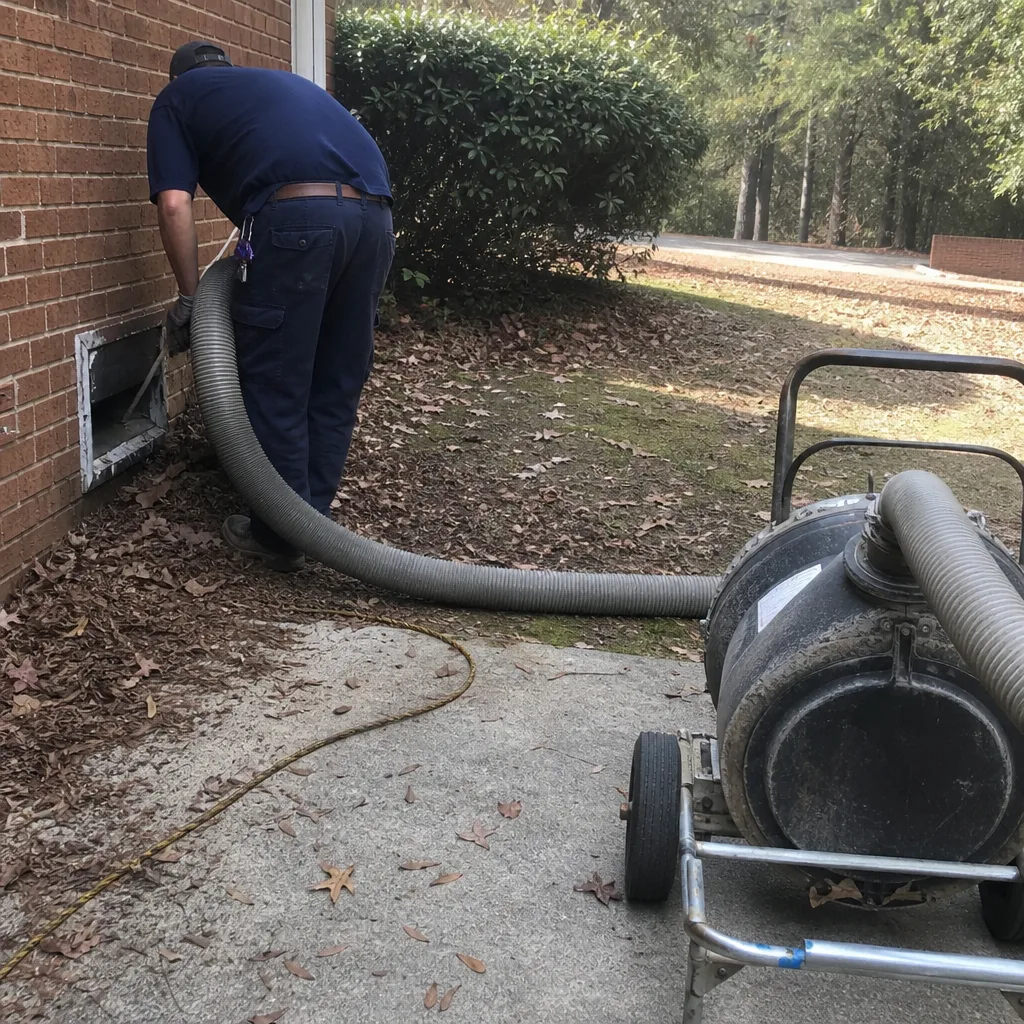 Before
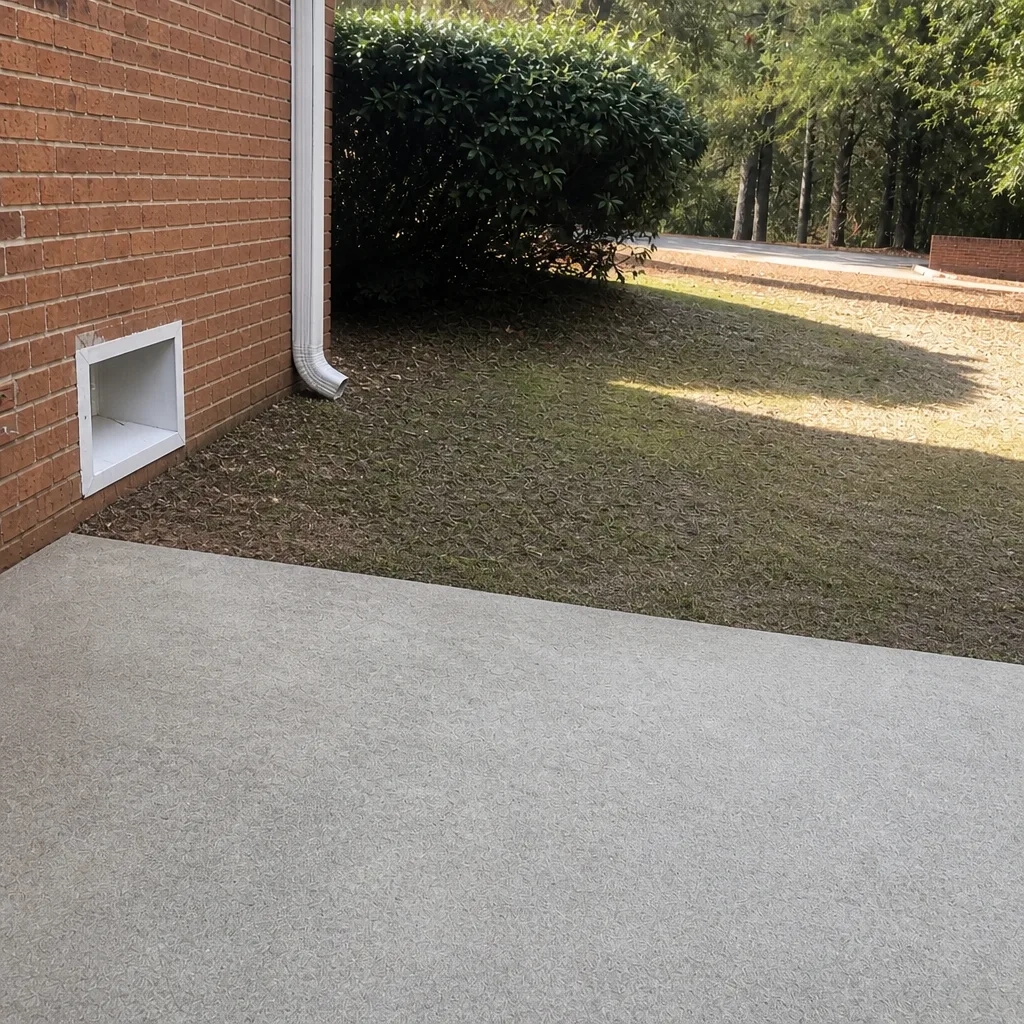 After
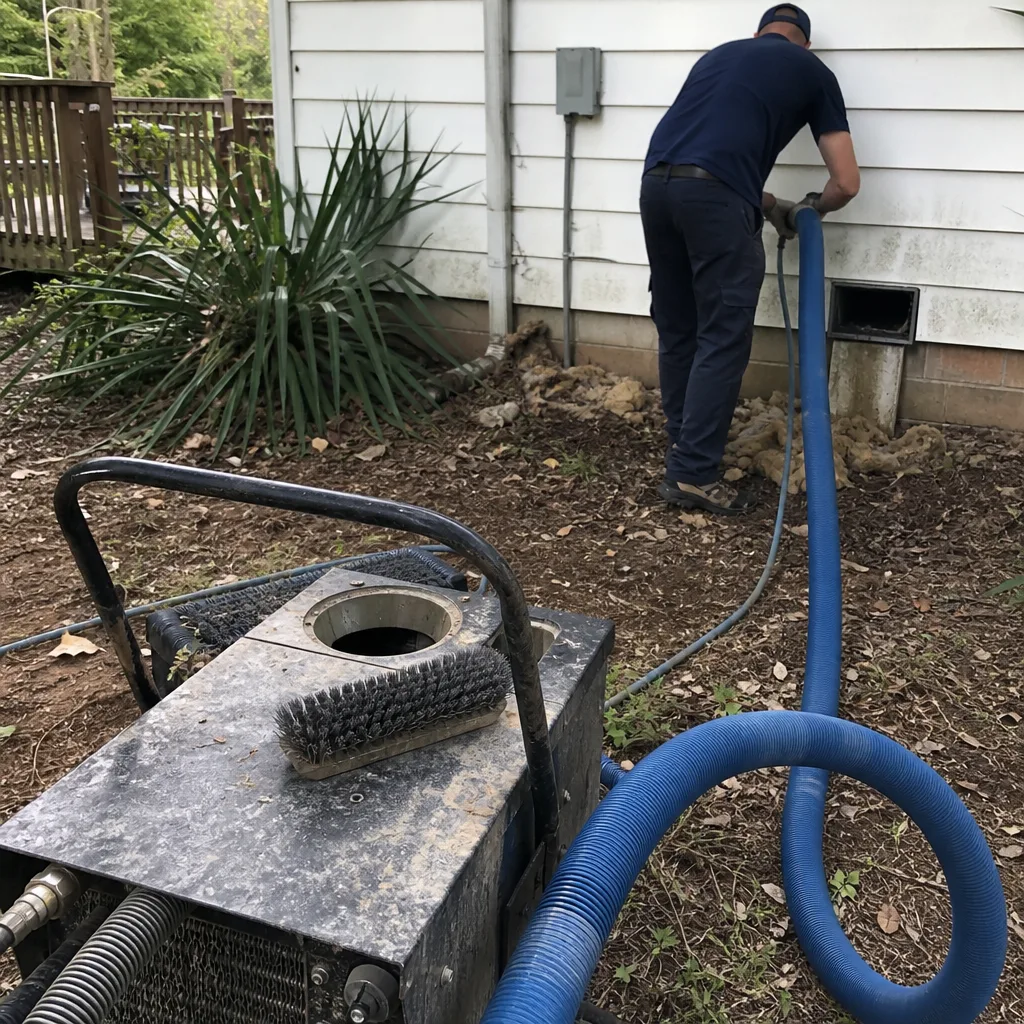 Before
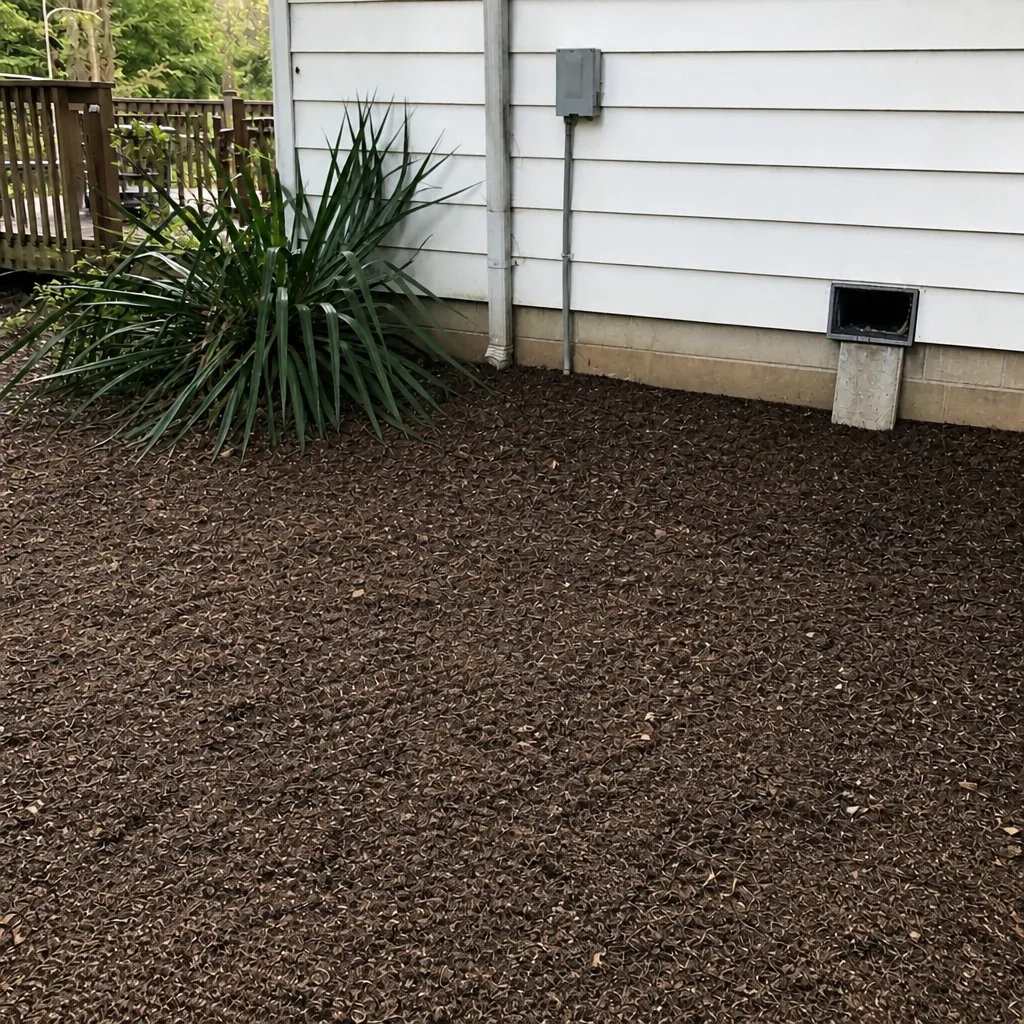 After
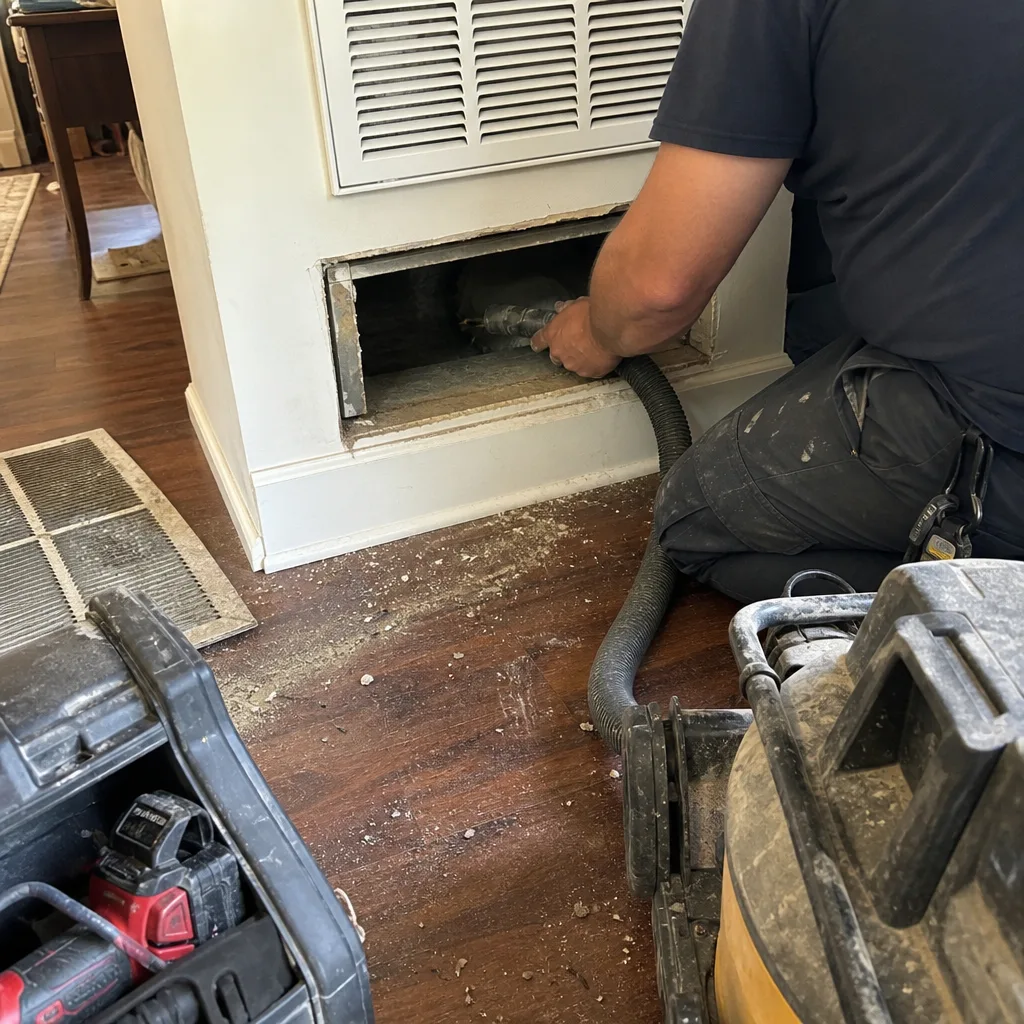 Before
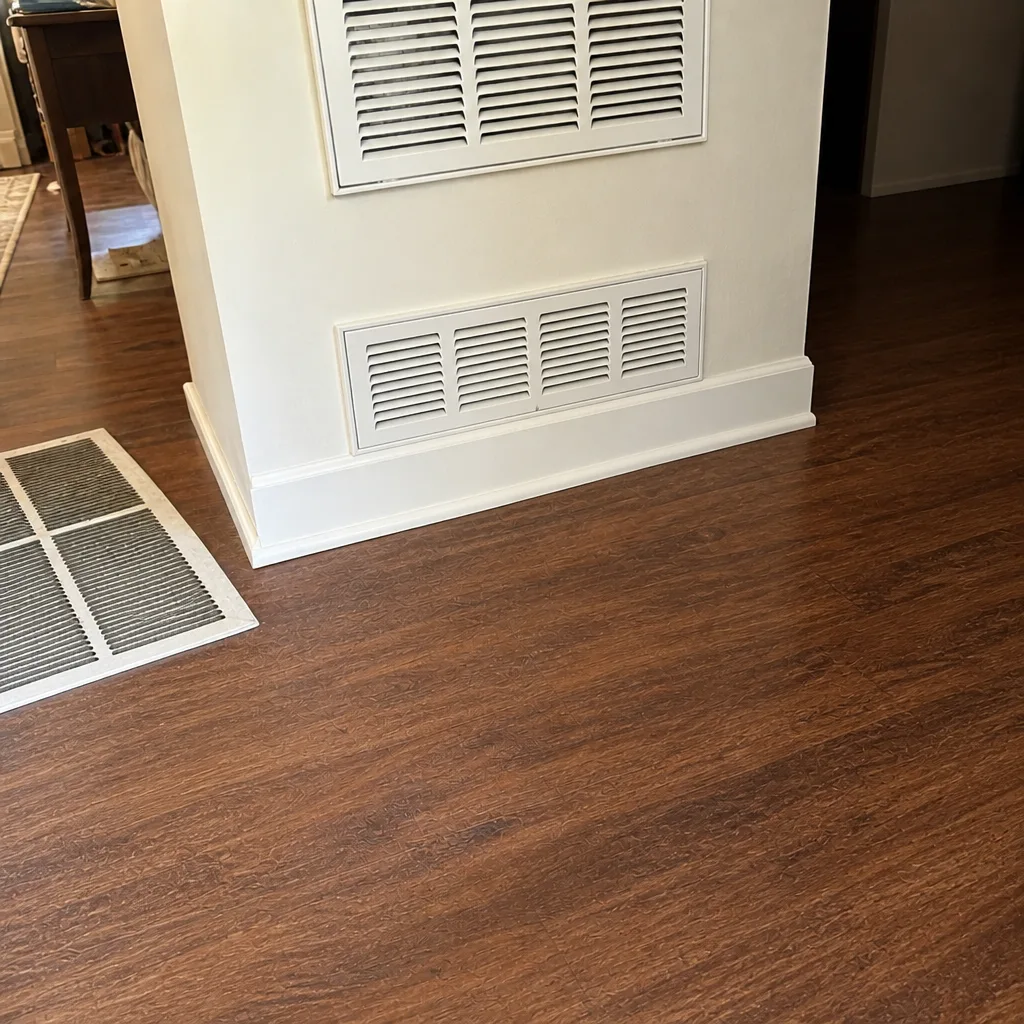 After
When to Call a Professional
Some items on this checklist are DIY-friendly. Others need equipment and containment that a homeowner shouldn’t improvise. Call a professional when you find any of the following: a filter housing that won’t seal a correctly sized filter, joints that leak in more than one or two places, standing water in the drain pan or a persistent musty smell at the air handler, dust returning to registers within days of cleaning, visible debris inside a duct run, or a system that’s never been cleaned in a home you just bought. Renovation dust is another trigger, since drywall dust is fine enough to travel the whole system. Wakefield Air Duct Cleaning Pros offers free estimates in Wakefield and can walk through the full air pathway with you. Call (866) 947-9162. We answer 24/7. Fast dispatch from 7am to 7pm, Sunday through Friday.
Frequently Asked Questions
There’s no fixed interval that fits every house, but most Wakefield homes benefit from an interior duct cleaning every three to five years, or sooner after a renovation, a move, or if you have pets. Use the trigger list in this guide rather than a calendar number. Homes with well-sealed ductwork and a clean filter can go longer. Call (866) 947-9162 for an exact assessment. Estimates are free.
The price depends on the size of the system, the number of runs, and whether sealing or coil cleaning is included. We set one flat price per system before any work starts, so there’s no surprise on the invoice, and the written estimate is the final price. Call (866) 947-9162 for an exact quote. Estimates are free.
A very low quote usually means a narrow scope: the accessible branch runs only, no plenum, no coil, and entry-level equipment without real containment. That combination can stir up debris and leave it in the system. Ask any company what’s included and what equipment they use before booking. Call (866) 947-9162 to compare scope line by line. Estimates are free.
Ask for before-and-after photos of your own ducts, not stock images, and check that the technician documented the plenum and coil, not just the registers. A maintenance log with those photos is the practical proof. We provide photos as part of every job so you can see the difference for yourself. Call (866) 947-9162 to schedule. Estimates are free.
You can, and it helps with visible dust, but it doesn’t touch the interior of the ductwork. The debris that settles inside the trunk and branch runs is bonded to the surfaces and needs mechanical agitation to come loose. Registers and ducts are two separate tasks on two separate schedules. Interior cleaning is the one that needs a professional. Call (866) 947-9162 to talk through which your home needs. Estimates are free.
Yes, especially in a home with leaky joints. Cleaning removes what’s there, but leaky joints pull unfiltered air from attics and wall cavities right back in. Sealing closes that loop. In our experience, the combination of cleaning and sealing holds results far longer than cleaning alone. Call (866) 947-9162 to find out whether your system has leaks worth sealing. Estimates are free.
The Bottom Line
The air duct maintenance checklist for a Wakefield home is built around failure points, not generic reminders. Filter bypass, leaky joints, a slow condensate drain, and unsealed ductwork are the four places a system loses efficiency and air quality, and each one has a simple check attached to it. Do the small checks yourself on a short cycle. Bring in a professional for interior cleaning, coil cleaning, and sealing, and log what was found each time so the next technician starts with a history instead of a guess. A cleaned and sealed system holds its results. That’s the whole point of the checklist.
If you’d like a walkthrough of your own system, call Wakefield Air Duct Cleaning Pros at (866) 947-9162 for a free estimate. We answer 24/7. Fast dispatch from 7am to 7pm, Sunday through Friday.
Written by the team at Wakefield Air Duct Cleaning Pros.