
Last updated November 23, 2026
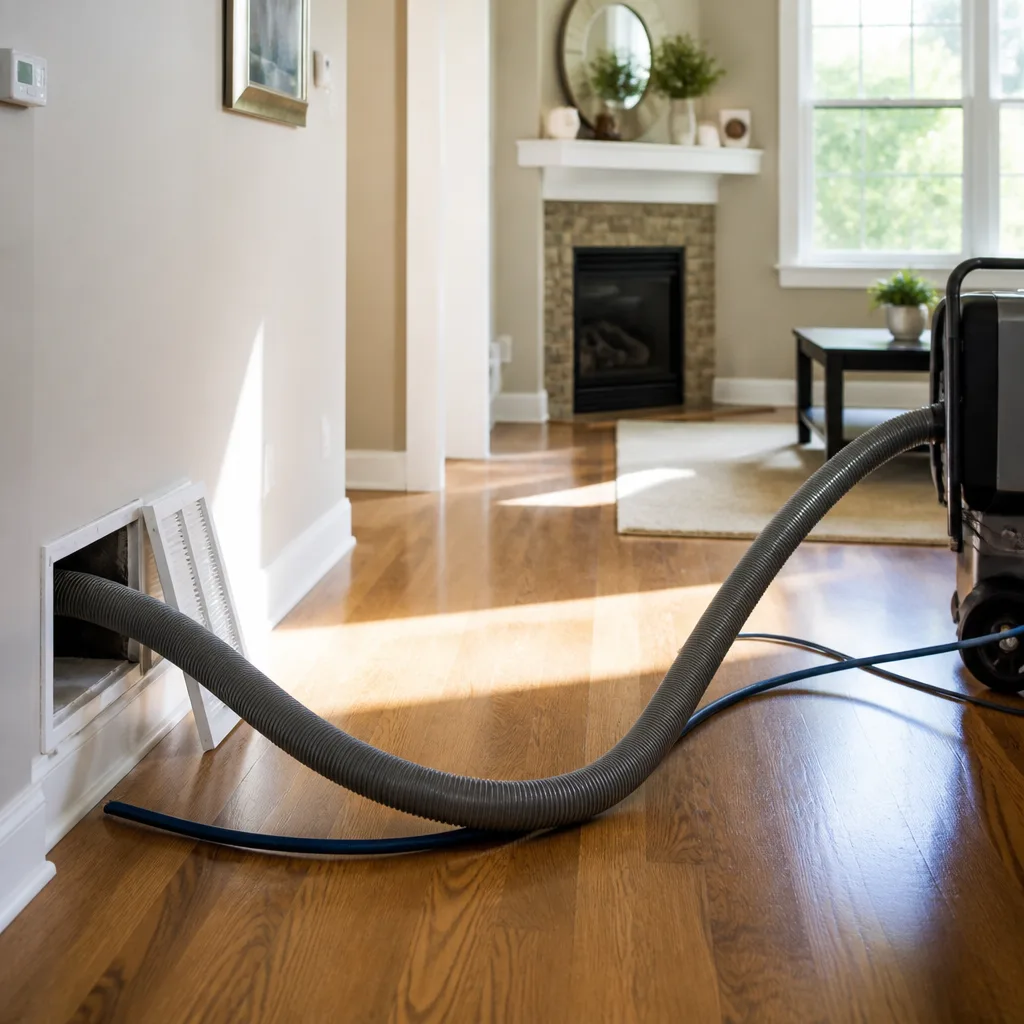 Whole-home duct cleaning
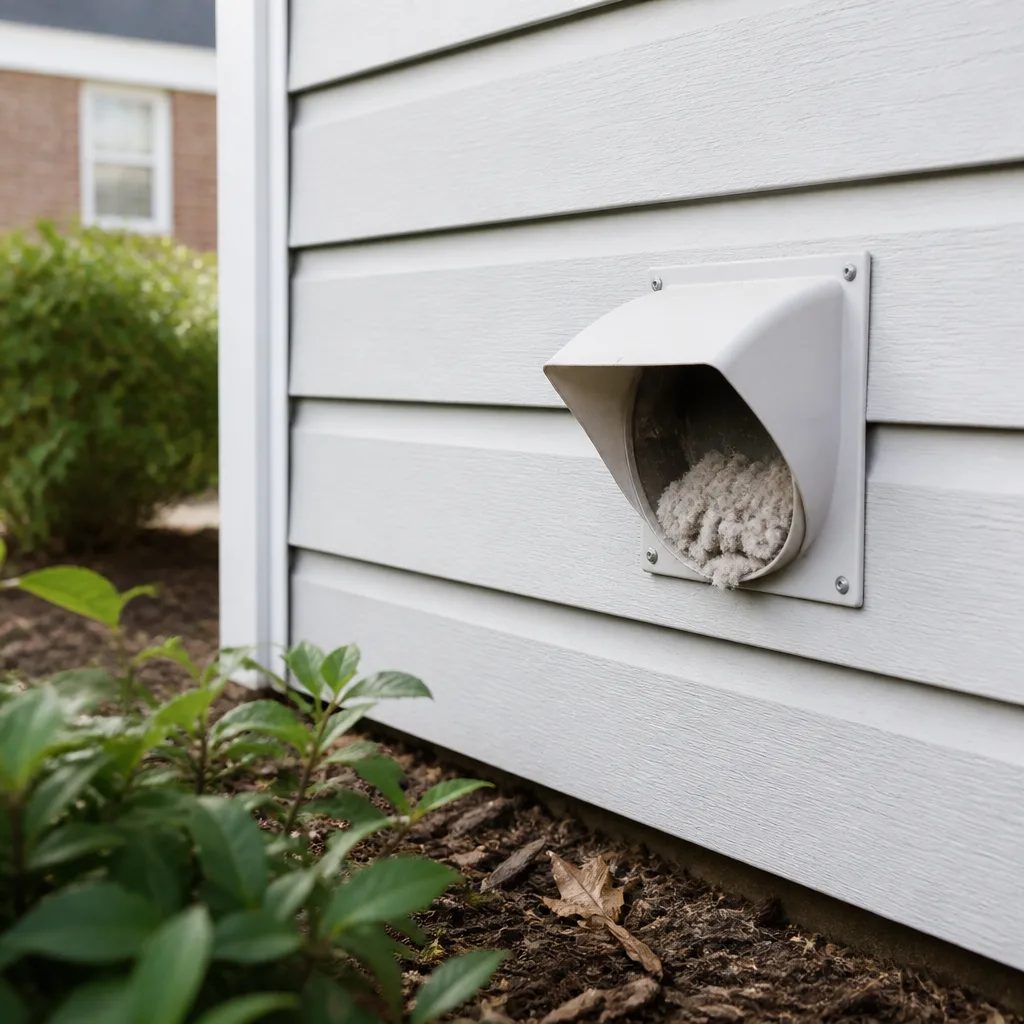 Dryer vent cleaning
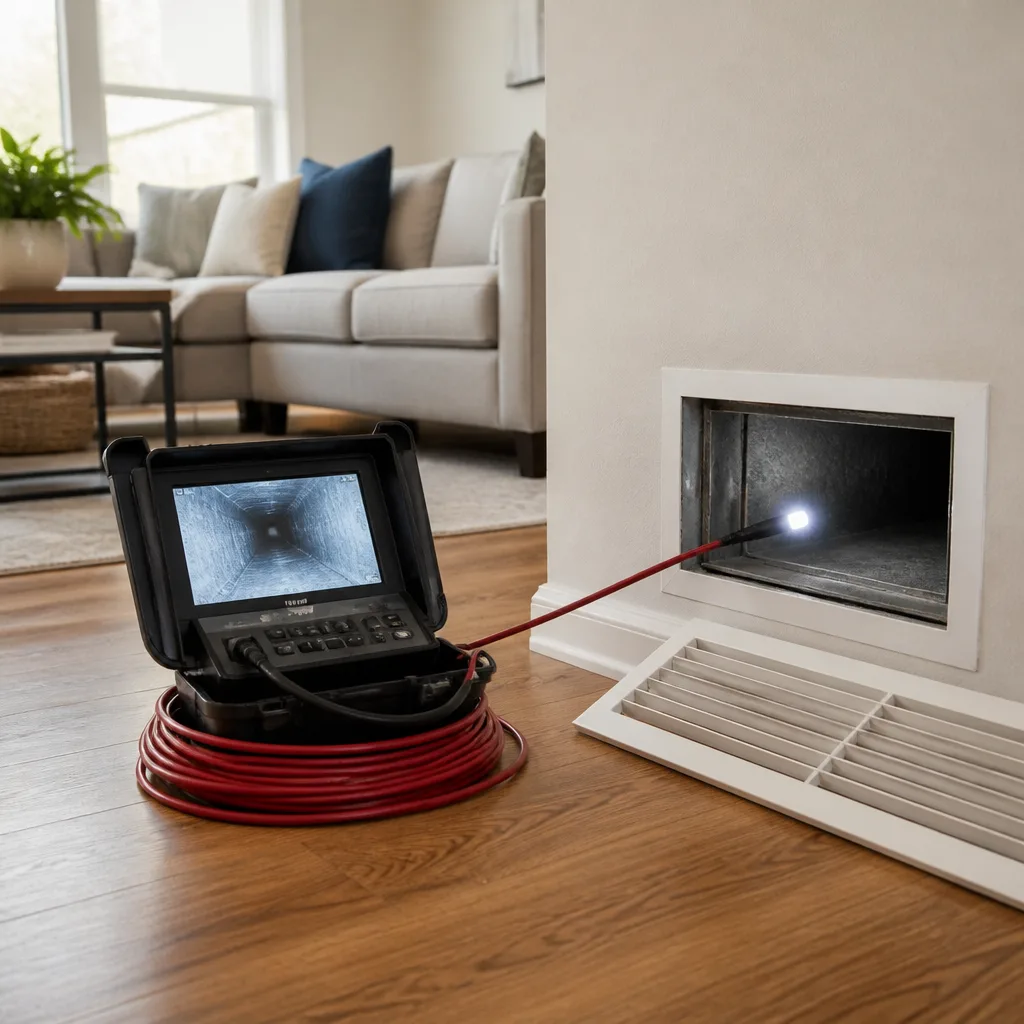 Camera inspection
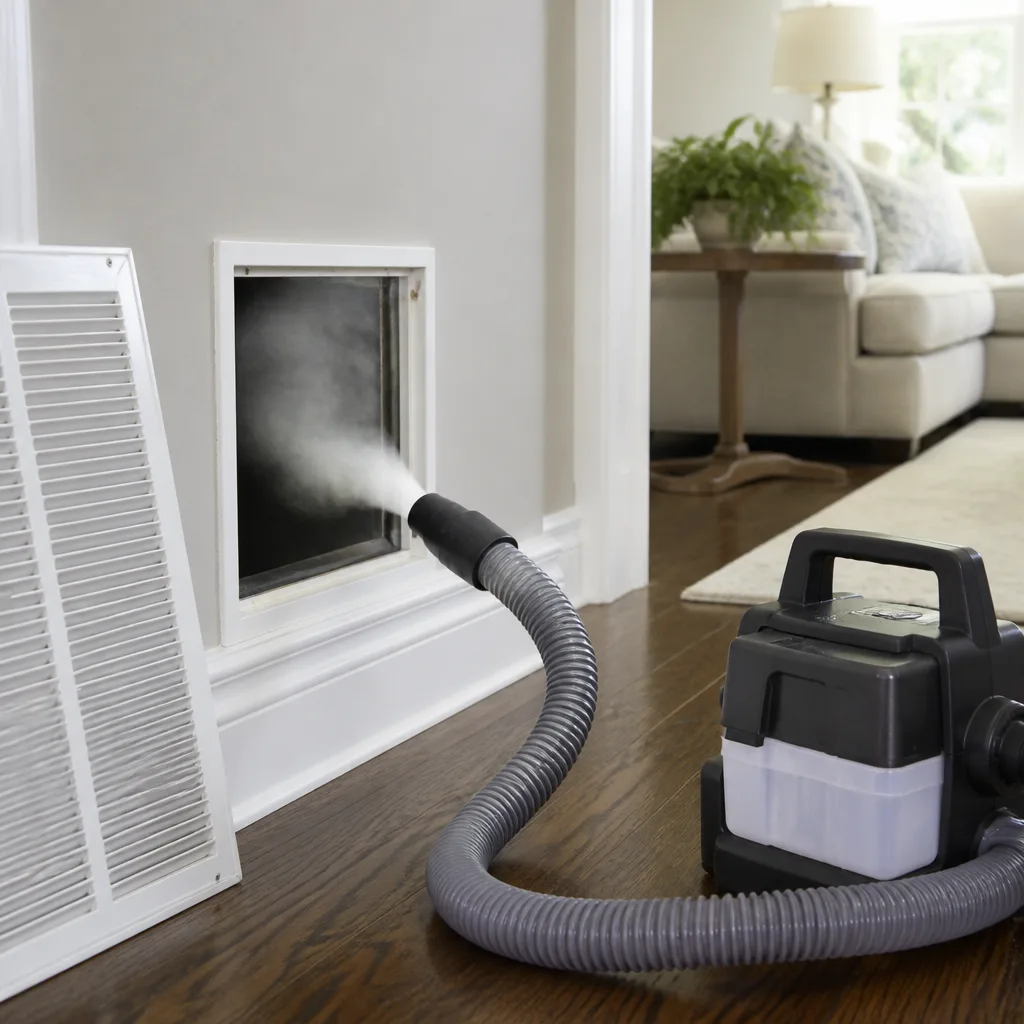 Sanitizing & deodorizing
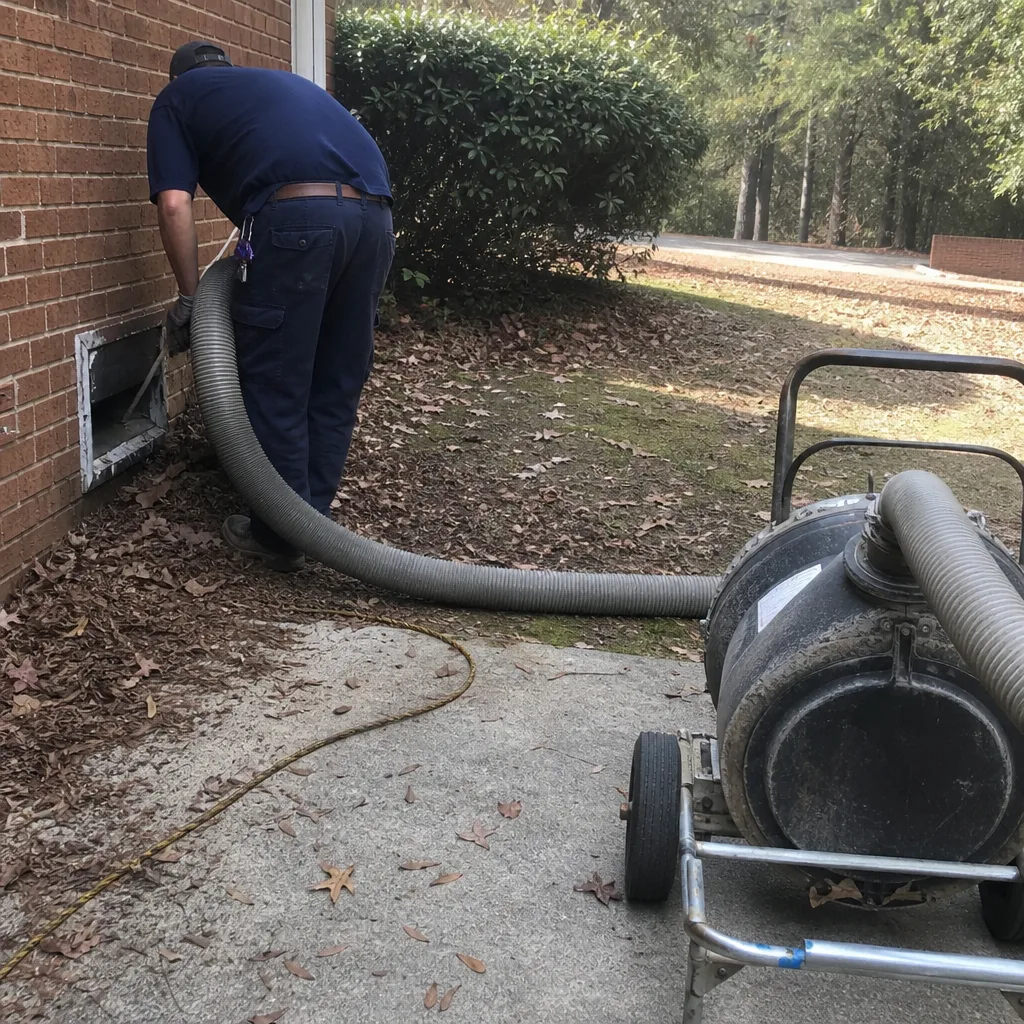
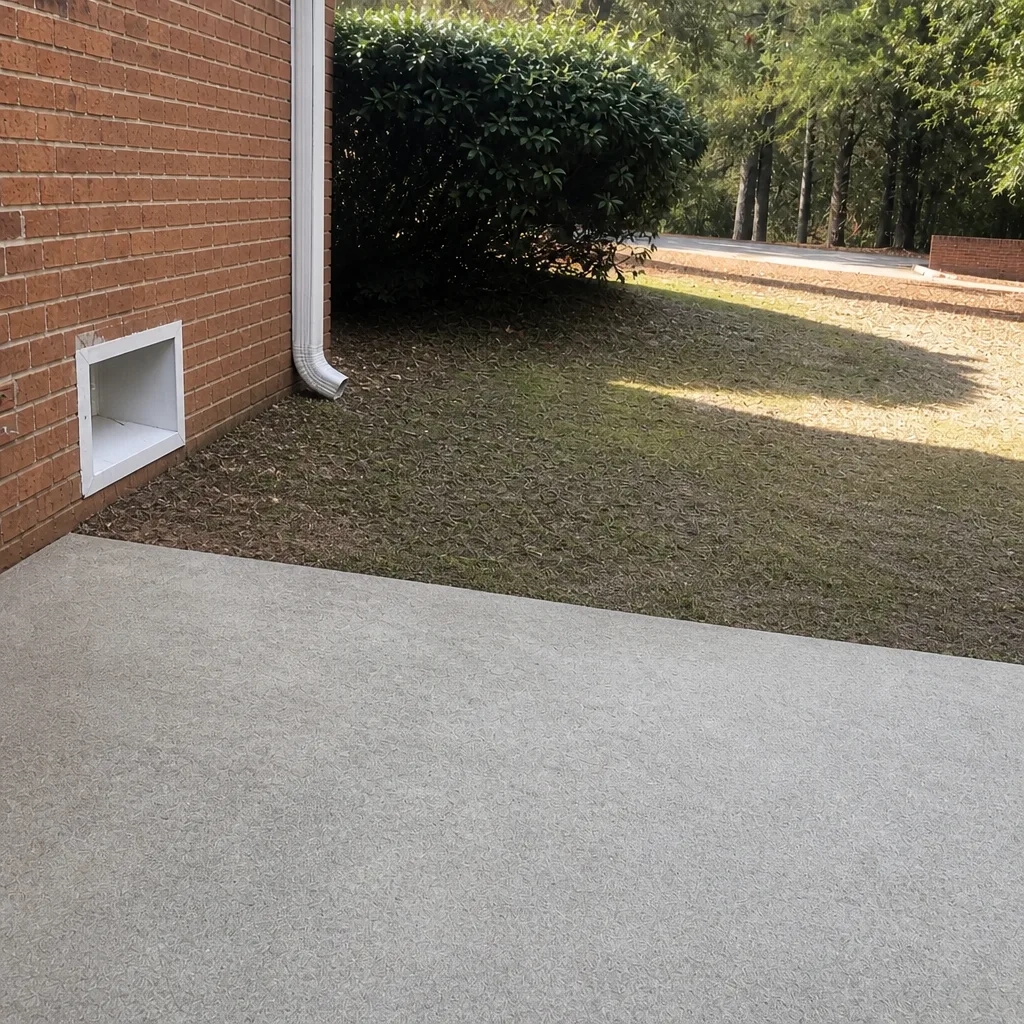
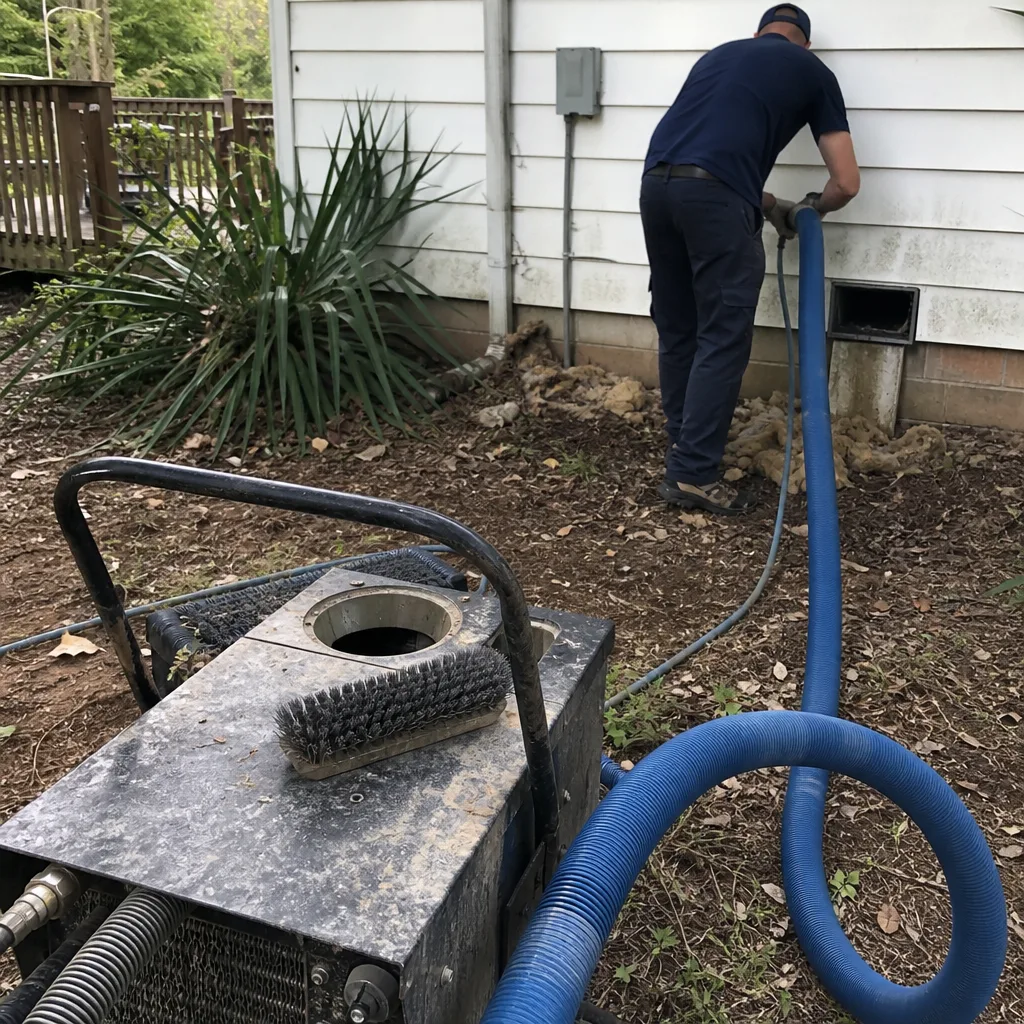
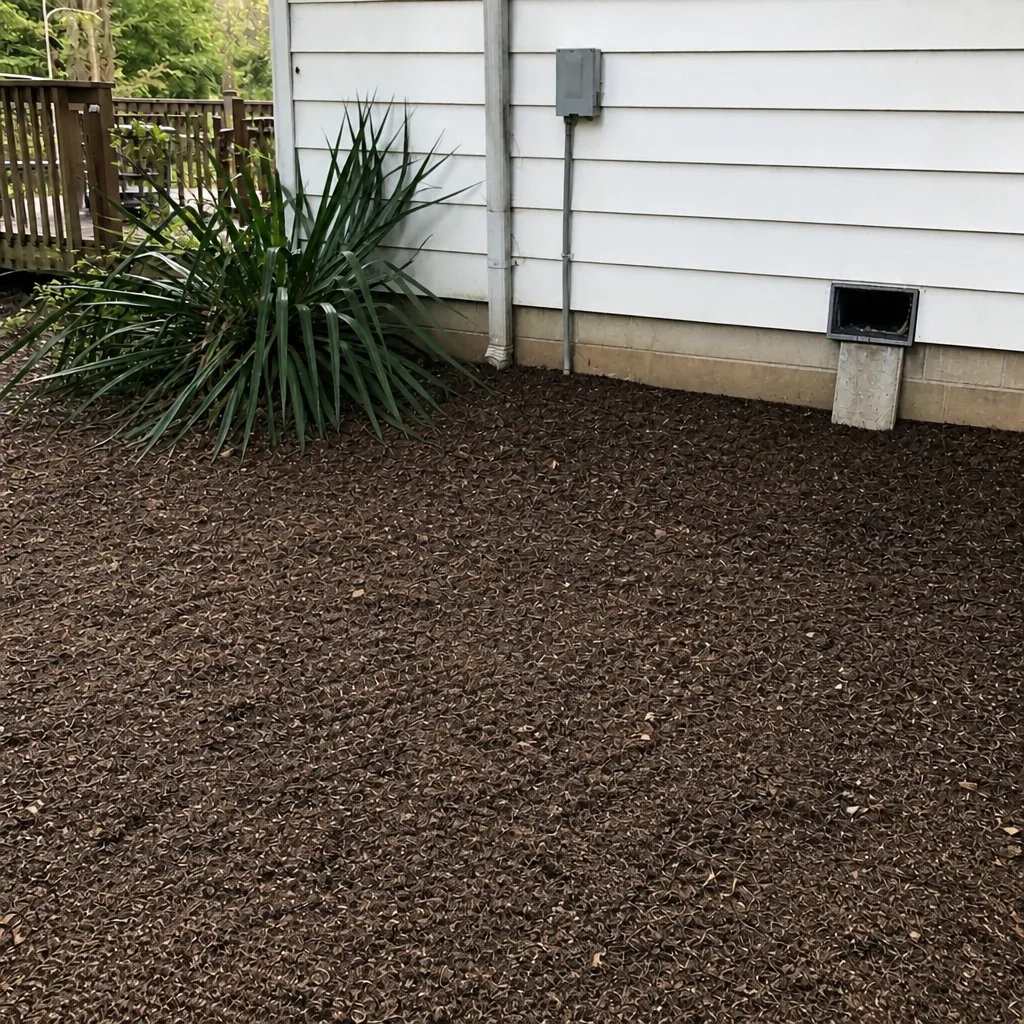
Whole-system duct and dryer vent check with before-and-after photos - you see exactly what came out of your vents
That "$99 whole-house special" is a bait ad - the real number appears once they are in your hallway, or the "clean" is a shop-vac at the register. We photograph the inside of your ducts before and after instead.
Air Duct Cleaning Warning Signs: A Wakefield Homeowner’s Reference Guide
A smell that shows up when the heat kicks on and fades within twenty minutes is easy to blame on damp air or a wet towel somewhere. It usually isn’t. Most duct problems in Wakefield announce themselves through symptoms homeowners quietly file under “old house” or “North Carolina humidity” – a faint odor at startup, one bedroom that never quite cools, dust that settles faster in the hallway than anywhere else. Each of those is a signal, and each points to a specific component inside the air pathway. This guide teaches you to read those signals the way a technician does, so you can tell a nuisance from a problem that’s worth opening the system to inspect.
Quick Answer
The main warning signs that your Wakefield home needs air duct cleaning are a musty or burnt odor that appears when the HVAC starts and fades within minutes, visible dust streaks on ceilings or walls near registers, uneven room temperatures, active particulate falling from supply vents, and allergy symptoms that ease when you leave the house and return when you come back. Any one of these is a reason to have the system inspected. Three or more together almost always means debris, a leak, or biological growth somewhere in the air pathway.
Styles & brands we work with
- Whole-home duct cleaning
- Dryer vent cleaning
- Camera inspection
- Sanitizing & deodorizing
Table of Contents
- The First-Air Smell Test: Reading Startup Odors
- Supply-Side Puffing vs. Return-Side Streaking
- Uneven Room Temperatures as an Airflow Symptom
- What Visible Debris at Registers Is Telling You
- Health Pattern Signals: When the House Is the Trigger
- Signals After Renovation and in Older Wakefield Homes
- Wakefield Humidity and What It Does Inside Ducts
- How a Proper Diagnostic Inspection Works
The First-Air Smell Test: Reading Startup Odors
Run the system from cold and pay attention to the first thirty seconds of air that reaches your face at a supply vent. That burst is the most honest sample your system will give you all day, because it’s the air that’s been sitting still inside the ducts and the air handler, picking up whatever is growing or breaking down in there. Once the system has been running for twenty minutes, outside air has cycled through and the smell thins out. If it returns the next time the system starts from rest, you’re not smelling the room. You’re smelling the system.
The kind of odor matters. Each one points at a different component:
- Musty or damp-earth. Biological growth on the evaporator coil, in the drain pan, or on the interior liner of duct board. This is the single most common first-air complaint in Wakefield, and it’s a moisture story more than a dust story.
- Burnt or hot-plastic. Usually the blower motor or a failing component in the air handler rather than the ducts themselves. Stop running the system and get it looked at before it becomes a repair rather than a cleaning.
- Chemical or solvent-like. Off-gassing from new building materials, sealants, or stored products pulled into the return. Recently renovated homes in Wakefield hit this one often.
- Earthy but sharp, almost like a cellar. Often a wet filter that’s been sitting too long, or standing moisture in a low section of flex duct where condensate has collected.
What separates a real duct problem from an HVAC tune-up issue is whether the smell resolves when the system has been running and returns when it hasn’t. If the smell only appears with heating, suspect the heat exchanger or a dusty plenum. If it appears with cooling, suspect moisture. If it appears on both, suspect the ducts themselves.
Why the “twenty-minute fade” is the diagnostic clue
When air sits motionless in a duct, volatile compounds from microbial growth concentrate in that pocket. The moment the blower starts, that concentrated pocket is pushed into the room all at once. That’s why the first air is stronger than the steady-state air, and why it’s the single best place to gather evidence. If the smell disappeared only when the system was off, you’d be looking at an outdoor source. Because it returns on startup, you’re looking inside.
Supply-Side Puffing vs. Return-Side Streaking
Dust on walls and ceilings near your registers is not all the same problem. Where the staining appears tells you which side of the system is failing. In our experience across Wakefield homes, this is the warning sign most often misread, because homeowners treat every dust mark as “needs cleaning” when half of them need repair and sealing instead.
Supply-side dust puffing
Supply vents push air into the room. If you see:
- Fine dust puffing out of a supply register when the system starts
- A halo of settled dust on furniture directly beneath a supply vent
- Grey or black residue collecting on the slats of the register grille itself
…you’re looking at debris inside the supply trunk or branch lines, and it’s being discharged into the living space. That’s an active contamination event, not a settling one. Mechanical agitation with a rotary brush system is usually the right answer, followed by negative-air containment so loosened material doesn’t recirculate through the house.
Return-side dust streaking
Return vents pull air back to the air handler. If you see:
- Dark streaks on a wall or ceiling that lead to a return grille, sometimes running along a seam or a corner
- Dust concentrated around the edge of the return frame rather than the center
- Filter edges that look grey while the middle looks clean
…that’s a filter-bypass or leaky-return-plenum pattern. Air is being pulled through gaps around the filter or through a seam in the return duct, picking up attic or wall-cavity dust along the way. Cleaning the ducts won’t fix this. It gets fixed by resealing the return path and the filter frame. This is the exact gap that a cleaning-only company leaves behind, and it’s why duct repair and sealing sits in the same service lineup as cleaning on our side: a cleaned system with a leaky return re-contaminates itself within weeks.
Uneven Room Temperatures as an Airflow Symptom
Every home has a hot room. In Wakefield, it’s usually an upstairs bedroom over the garage, a bonus room, or a west-facing room that bakes through the afternoon. Homeowners often assume the fix is a zoning system or an adjustment to the thermostat schedule. Sometimes it is. But when a room has always been within a degree or two of the rest of the house and has recently drifted five or more degrees, suspect the duct before you suspect the controls.
Here’s how to run a rough airflow check:
- Hold a tissue or a piece of toilet paper against each supply register. Compare the strength of the pull room to room. A register with noticeably weaker flow is a diagnostic flag, not a design flaw.
- Note which rooms are weak and which are strong. If every room past a certain branch is weak, the problem is upstream of those branches. If one isolated room is weak, the problem is in that room’s run.
- Look inside the register boot with a flashlight. Collapsed flex duct, a disconnected collar at the boot, or a duct that’s been crushed under insulation all show up visually.
- Check for whistling or whooshing at a single register. That’s a sign of a restriction somewhere upstream, or a joint that’s partially separated and pulling air from the cavity instead of the trunk.
A collapsed flex duct is common in homes where ductwork runs through a hot attic. The inner liner of a cheap flex run can sag and pinch, reducing flow to a fraction of what it should be. A disconnected joint in the same attic can be worse: it’s blowing conditioned air into the attic while pulling attic dust and insulation fibers into the stream. Neither of those is a cleaning problem. Both are repair and sealing problems, and both are worth catching before your energy bill tells you.
How to tell it apart from a zoning issue
A zoning issue produces consistent, design-level imbalance: the system was balanced for the original rooms and someone later finished a bonus room or added a return. A duct failure produces a change. If the room used to be fine and isn’t now, start at the duct. If the room was never fine, start at the system design.
What Visible Debris at Registers Is Telling You
Every register has some dust on the grille. That’s normal surface dust, and wiping it down doesn’t mean anything is wrong. The line between nuisance dust and a real warning sign comes down to whether the material is sitting on the surface or actively discharging from inside.
Normal surface dust:
- Wipes off cleanly with a damp cloth and stays gone for weeks
- Is light grey and even
- Collects mainly on the horizontal slats where air hits the grille
Active discharge:
- Reappears within days of cleaning
- Has color and texture – dark, fibrous, sometimes visibly larger particles
- Falls onto furniture, sills, or floors directly below the register
- Appears as a puff of visible particles when the system starts
If you’re seeing the discharge pattern at multiple registers, the system is carrying material through the ducts. That’s the point at which cleaning stops being a cosmetic upgrade and becomes the correct action. If you see it at only one register, the problem may be localized to that branch or boot – and that’s worth a targeted inspection rather than a whole-system cleaning.
Health Pattern Signals: When the House Is the Trigger
Air quality complaints in Wakefield are often mislabeled as “allergies” when what’s actually happening is a pattern. The diagnostic question isn’t “do I have symptoms” – it’s “does my pattern of symptoms move with the house.”
The pattern that points inside:
- Symptoms that ease noticeably during a workday or an overnight trip and come back within the first day home
- Symptoms that are worst in the morning and improve as the house airs out through the day
- Congestion or eye irritation that correlates with HVAC startup rather than with pollen counts or the outdoor season
- A specific room that triggers symptoms more reliably than others – usually the room with the weakest airflow
The pattern that points outside:
- Symptoms that track the outdoor season, not the indoor schedule
- Symptoms that follow a rain event or a high pollen count
- Symptoms that don’t improve when the HVAC is off for a week
If your pattern fits the first list, the next step is to look for one of the other warning signs on this page – odor, dust discharge, filter bypass – because those are what usually sit alongside an indoor air quality issue. For households with asthma or allergies, or for homes where mold has been identified anywhere in the structure, the right equipment really matters. Negative-air containment with HEPA filtration is what keeps loosened debris from recirculating during the cleaning itself; this is where Abatement Technologies equipment in a service lineup is a meaningful detail to look for, because it’s the same class of gear used in remediation-adjacent work.
Signals After Renovation and in Older Wakefield Homes
New construction and major renovation are two of the most reliable triggers of duct contamination. The evidence usually shows up two to six weeks after the dust settles, when the fine construction particulate that slipped into the ducts during the rough-in phase finally gets pulled into the living space.
What to watch for after a renovation:
- Drywall dust and joint compound residue inside registers. Look at the inside lip of the supply boot with a flashlight – if you see white powder, that’s gypsum dust that will keep cycling.
- A chemical smell on startup. Off-gassing from paint, adhesives, and flooring is drawn into the return and absorbed by the filter and duct surfaces.
- Filters that clog in weeks instead of months. That’s the fastest single indicator that the system is loaded with fine particulate.
- A sudden change in airflow to rooms adjacent to the renovation. Sometimes a duct is physically damaged or disconnected during the work.
Older Wakefield homes bring their own patterns. Original duct board from mid-century homes can break down at the interior surface, and when that liner fails it sheds fibers directly into the airstream. Duct tape used to seal joints decades ago has cracked and released, creating leaks that pull attic dust into the system. Both are cleaning-and-sealing jobs, not cleaning alone.
Wakefield Humidity and What It Does Inside Ducts
North Carolina’s summer humidity is the single biggest driver of the musty-odor complaint we hear in Wakefield. When a system runs a short cycle, the evaporator coil stays wet; when it stops, the coil and drain pan dry slowly into the still air of the air handler. That’s the reservoir. Each cooling cycle refreshes it, and the ducts distribute what grows there.
What to check in a humid climate:
- The drain pan and condensate line – standing water or a clogged line is the most fixable cause
- The filter – a wet filter grows biology within a week
- The interior of the supply plenum if it’s reachable from a register
- Any duct run that passes through an unconditioned space where the duct surface can sweat
- Ductwork in a crawlspace or an unsealed attic, where humid air can migrate into a leaky joint
The combination of damp air and a leaky return is worse than either alone. A cleaned system with a sealed air pathway holds up. A cleaned system with a leaky one loads back up within weeks. If you’re calling us from one of the Wakefield neighborhoods where homes sit close to tree cover and heavy summer shade – the kind that keeps a yard damp through August – expect the humidity signal to appear earlier than it does on a more exposed lot.
How a Proper Diagnostic Inspection Works
If you’ve read this far and recognized two or three of the signs above, the next step is an inspection that goes looking for the specific cause, not a cleaning that assumes one. Here’s how a diagnostic visit should run:
- Confirm what the homeowner noticed. Which rooms, which times of day, which smells. The homeowner’s pattern is the most valuable diagnostic tool – a technician who ignores it is guessing.
- Inspect the air handler. Coil, drain pan, blower, and filter frame. This is where half the answers live.
- Check the returns for bypass. Look at the gap around the filter and any seams in the return plenum.
- Examine the supply side at the plenum and a sample of registers. Look for debris volume, liner condition, and any signs of disconnected joints.
- Look at any accessible duct runs through the attic or crawlspace. Collapses, disconnects, and sweaty sections all show up here.
- Write down the finding, then the recommendation. Cleaning, sealing, or a repair – and in what order, because sometimes the repair has to come before the cleaning for the cleaning to last.
That last point is worth spelling out. If the return is leaking, cleaning first and sealing later wastes the cleaning. If the interior duct liner is failing, cleaning without addressing the liner just releases more fibers next season. The technician should be able to tell you which order makes sense for your specific house.
For more on our full scope of services in Wakefield, see air duct cleaning and HVAC cleaning. Both pages lay out what the work actually involves technically. For the full picture of what we cover – cleaning, sanitizing, repair and sealing of the complete air pathway – start at the Wakefield Air Duct Cleaning Pros home page.
Common Mistakes to Avoid
- Assume the smell is a humidity problem because you live in Wakefield. Humidity opens the door, but it doesn’t confirm the source. The twenty-minute fade is the tell, and it points inside the system.
- Clean without sealing. A cleaning-only job on a leaky system re-contaminates itself. Ask whether the technician can repair and seal the same duct runs, or plan a follow-up.
- Trust a coupon price that expands on-site. The single most common complaint in this trade is a low headline number that grows the moment the technician arrives. One flat price per system, agreed before work starts, is what you want in writing.
- Treat every room imbalance as a zoning problem. A room that used to be fine and isn’t now is a duct symptom, not a control symptom. Look at the ducts first.
- Skip the flashlight test. Look inside the register boot, not just at the grille. Gypsum dust, visible liner fibers, and collapsed flex duct only show up when you look in.
- Assume a new filter is a fix. A filter protects the equipment, not the ducts. It won’t clean a loaded supply trunk. But if the filter frame leaks, it won’t protect the equipment either – which is the whole point of the filter-bypass check.
- Forget to ask about containment. If the cleaning loosens debris and doesn’t capture it with negative-air equipment, that debris goes somewhere – and the somewhere is your living room. Ask what equipment the team brings.
See the difference
 Before
 After
 Before
 After
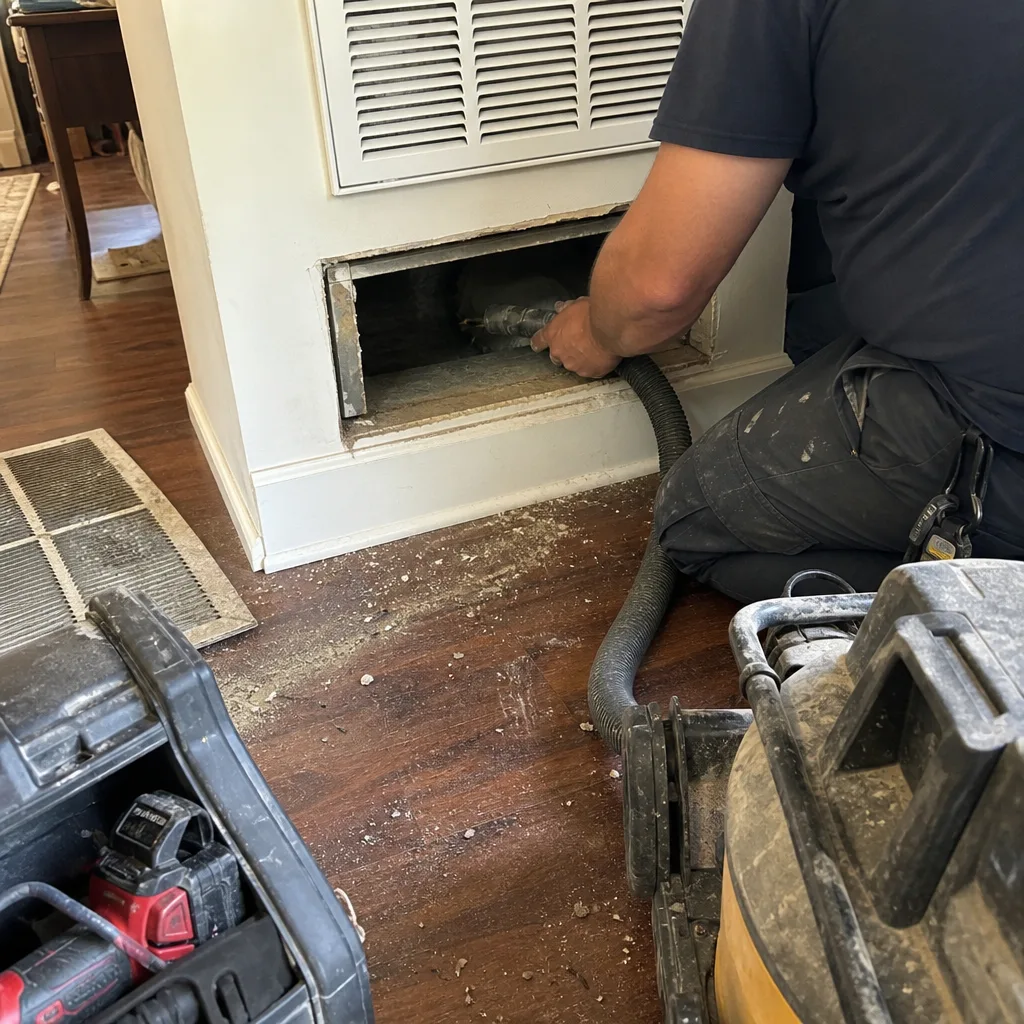 Before
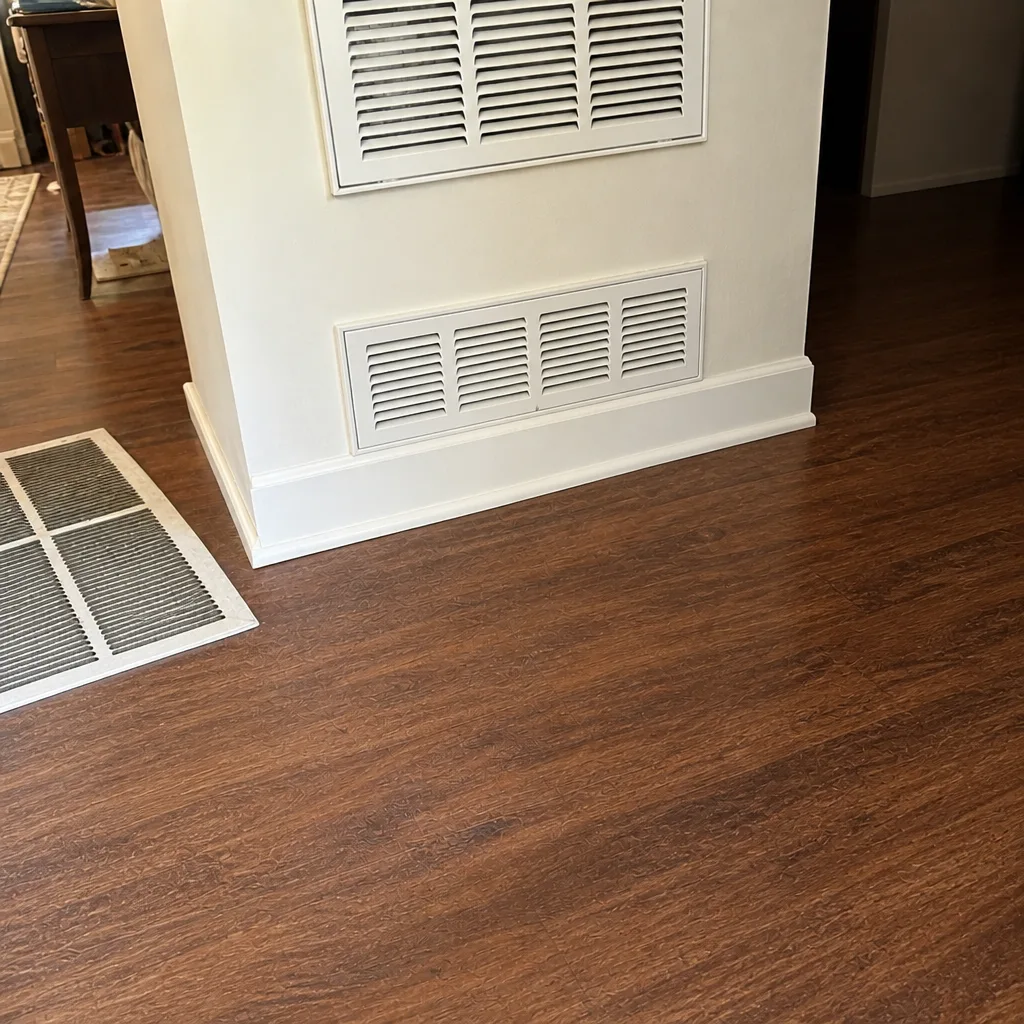 After
When to Call a Professional
Some warning signs are worth watching. Others are worth a call. Call us when you see debris actively discharging from a supply register, when a musty or burnt smell returns on every startup, when a room that used to be balanced has drifted several degrees and stayed there, or when allergy symptoms track your house instead of the outdoors. Also call when you’ve just finished a major renovation, when you’ve found mold anywhere in the system, or when a professional has confirmed that duct repair and sealing is needed. Ductwork sits inside walls and attics, and the equipment that clears it safely is professional-grade for a reason.
Wakefield Air Duct Cleaning Pros offers free estimates in Wakefield. Our technicians have up to 9 years of experience and use professional-grade equipment – rotary brush agitation with contained negative air. Call (866) 947-9162. We answer 24/7. Fast dispatch from 7am to 7pm, Sunday through Friday.
Frequently Asked Questions
A musty or damp-earthy odor that appears when the HVAC starts and fades within about twenty minutes, returning the next time the system starts from cold. That pattern is the strongest single signal because it points directly at a reservoir inside the air handler or duct liner. Call (866) 947-9162 for an exact quote – estimates are free.
Cost depends on the size of the system, the number of branches, and whether repair or sealing is needed. We don’t quote per-vent prices and we don’t advertise coupon figures that grow on-site. You get one flat price per system, agreed before any work starts, and the written estimate sets the final price. Call (866) 947-9162 for an exact quote – estimates are free.
Usually because they’re a teaser price for a partial job, or because the quote doesn’t include containment, sealing, or a real inspection. If a quote is a third of another quote, the difference is almost always in scope, equipment, or what happens on-site once the technician is in the doorway. Ask for the scope in writing before you book. Call (866) 947-9162 to compare what’s actually included.
Ask for before-and-after photos of your own ducts. Real cleaning produces a visible change in the plenum and trunk interiors, and a contractor who’s actually done the work can show it. We send before-and-after photos as standard. Call (866) 947-9162 for an exact quote – estimates are free.
Most Wakefield homes don’t need it on a fixed calendar. The honest answer is that it’s driven by conditions: a major renovation, a mold finding, pets in the home, a filter-bypass problem, or a persistent musty odor. A home with none of those may go many years without needing it; one with a leaky return may need repair and sealing far sooner than a cleaning. Call (866) 947-9162 if you’re unsure – a diagnostic visit will tell you.
Dryer vent cleaning is a separate airflow path from your HVAC ducts, and it’s worth checking in parallel because the same lint-and-moisture pattern shows up in both. Lint buildup in a dryer vent is a fire-risk issue, not an air quality one, and it doesn’t get addressed by HVAC duct cleaning. See dryer vent cleaning for what that visit involves.
The Bottom Line
Most duct problems in Wakefield are not invisible. They’re misfiled. The musty puff at startup, the streaks that stay after you dust, the room that used to cool and now doesn’t, the cough that lets up on vacation and comes back at home – each of those points at a specific component, and the pattern across several of them tells you whether the answer is cleaning, sealing, or repair. If you see one, note which room and which time of day. If you see three or more, it’s time to inspect rather than wait. One flat price per system, written before work starts, and before-and-after photos of your own ducts are what make the answer trustworthy.
If you’ve read this and recognized your own house, call (866) 947-9162 for a free estimate. We answer 24/7. Fast dispatch from 7am to 7pm, Sunday through Friday.
Written by the team at Wakefield Air Duct Cleaning Pros.