
Last updated November 23, 2026
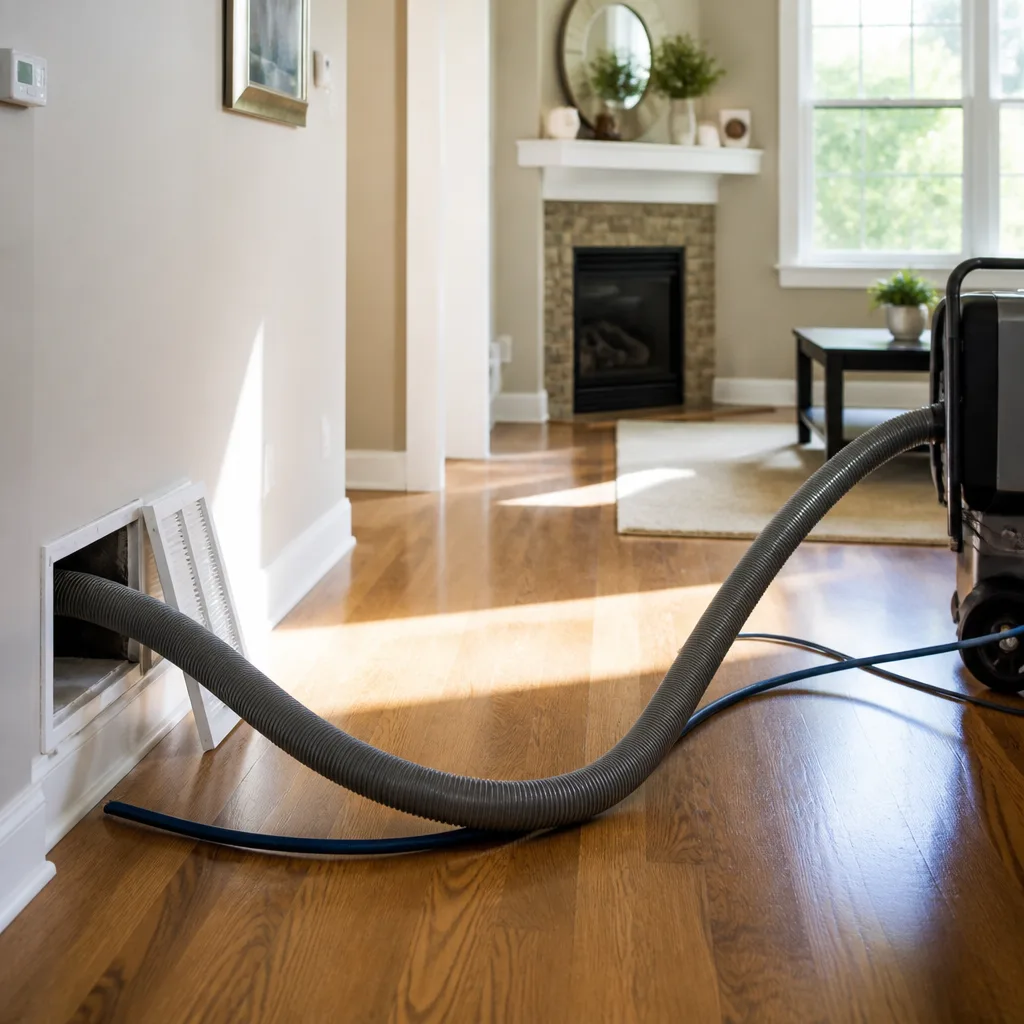 Whole-home duct cleaning
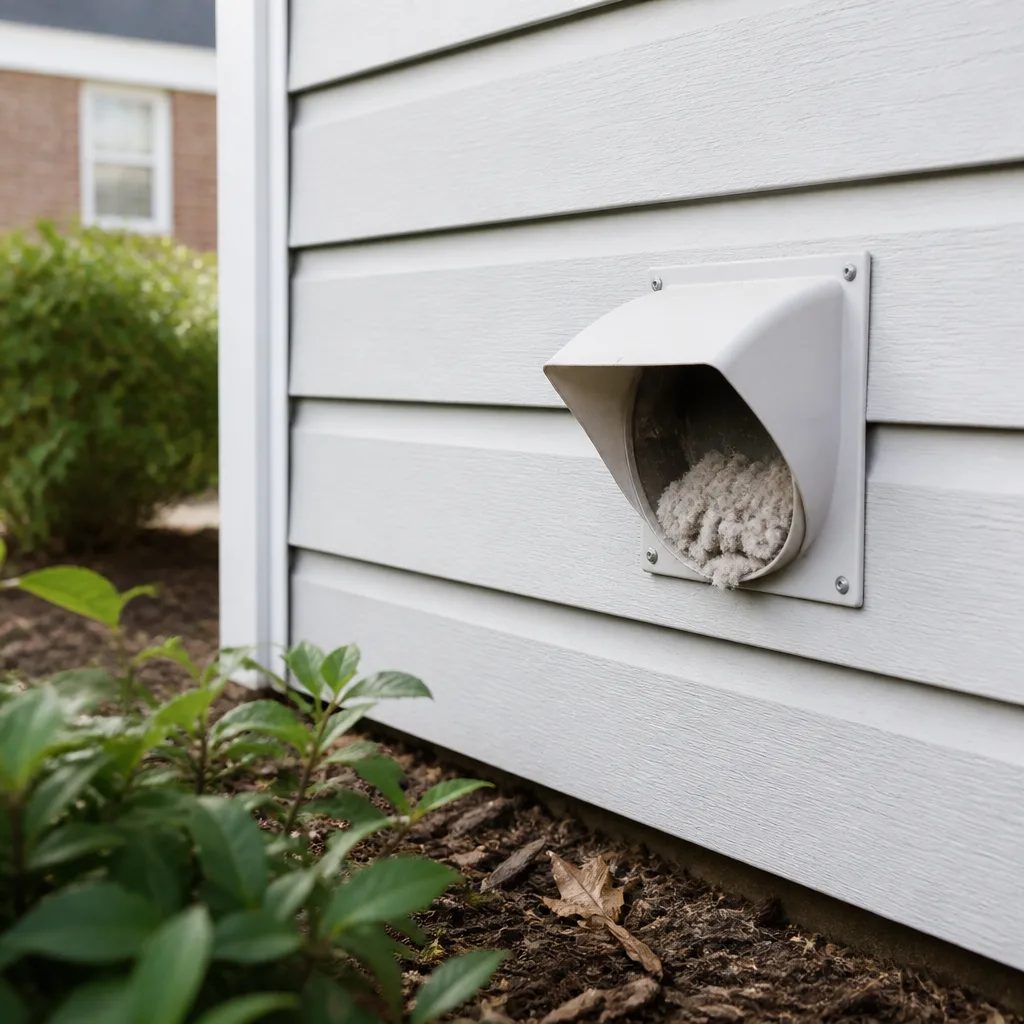 Dryer vent cleaning
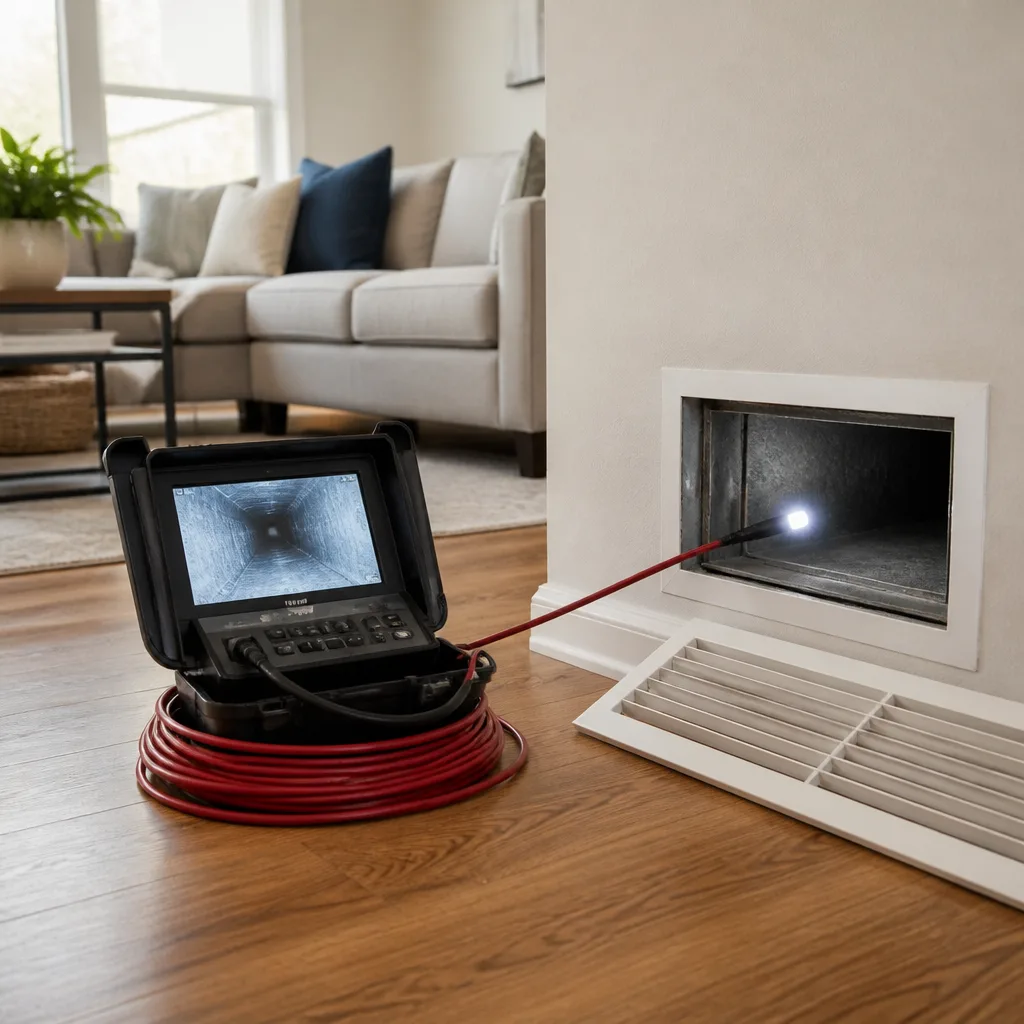 Camera inspection
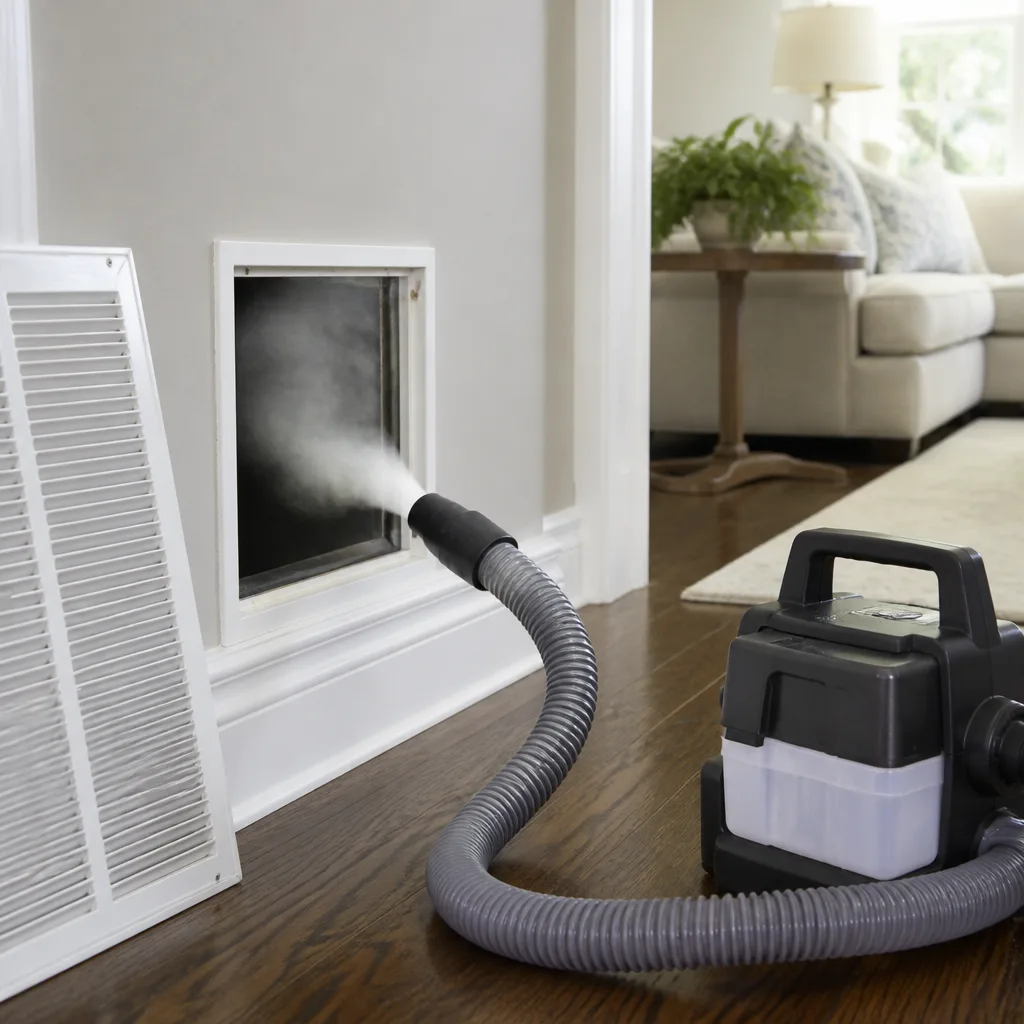 Sanitizing & deodorizing
Whole-system duct and dryer vent check with before-and-after photos - you see exactly what came out of your vents
That "$99 whole-house special" is a bait ad - the real number appears once they are in your hallway, or the "clean" is a shop-vac at the register. We photograph the inside of your ducts before and after instead.
How to Hire an Air Duct Cleaning Contractor in Wakefield: A Step-by-Step Guide
Most homeowners shop for duct cleaning the way they shop for a new water heater: they take the lowest number and hope for the best. That instinct works fine when the trade is licensed and inspected. It fails badly here. North Carolina does not issue a license specific to air duct cleaning, so a company that answers the phone in Wakefield has already cleared no state test of equipment, technique, or insurance. The vetting burden falls squarely on you, and it has to happen before anyone walks into your attic. In this guide we’ll walk through the exact questions that separate a real contractor from a coupon-driven van, how to read a quote, and what a proper scope of work looks like in writing.
Quick Answer
To hire an air duct cleaning contractor in Wakefield, ask about their equipment before you ask about price (truck-mounted versus portable, filtration on the exhaust, whether they work to NADCA’s ACR standard), insist on an itemized written scope of work, and confirm their insurance covers completed operations, not just general liability. Skip any quote built on per-vent pricing or “antimicrobial treatments” sold before anyone has looked inside your ducts, and skip anyone who can’t vet the work against an industry standard.
Styles & brands we work with
- Whole-home duct cleaning
- Dryer vent cleaning
- Camera inspection
- Sanitizing & deodorizing
Table of Contents
- Step 1: Ask About Equipment Before You Ask About Price
- Step 2: Use NADCA and the ACR Standard as Your Benchmark
- Step 3: Read the Quote for These Four Red Flags
- Step 4: Verify Insurance That Actually Covers You
- Step 5: Get a Scope of Work in Writing, Not Over the Phone
- Step 6: Confirm Before-and-After Photos Can Belong to Your House
- Step 7: What Wakefield Housing and Weather Add to the Job
- Step 8: How Often You Actually Need This Done
Step 1: Ask About Equipment Before You Ask About Price
A “whole-house duct cleaning” offered at a flat rate well under $150 is almost always performed with a portable shop-vac style unit and a rotary brush. That equipment creates negative pressure in a 5-gallon drum, not in a 2,000-square-foot duct system. When the vacuum is undersized for the volume, loosened dust and debris don’t travel into the machine; they hang in the ducts, settle back down, or get pushed out of supply registers into your living room while the technician is still working. That’s the technical difference between cleaning and stirring.
The right questions are specific, and any contractor worth hiring will answer them without flinching:
- Is the vacuum truck-mounted or portable? Portability isn’t automatically disqualifying, but the unit has to be sized to move the air volume of the whole house, not one run at a time.
- What is the CFM rating? CFM (cubic feet per minute) is the plain-English measure of how much air the machine moves. Higher CFM holds the ducts under real negative pressure so nothing escapes into your rooms.
- Is the exhaust HEPA-filtered? HEPA filtration traps particles rather than blowing them into the yard or the driveway. For anyone with allergies, asthma, or a new renovation, this matters more than the cleaning method itself.
- What is the cleaning method? Rotary brush agitation (the Rotobrush platform, for example) is the standard mechanical approach. Contact vacuuming and air-purging devices are complementary, not substitutes.
- Will they contain the debris at the register? Nikro negative-air equipment, Abatement Technologies HEPA units, and similar tools hold airborne contaminants in containment rather than recirculating them through the house.
In our experience, a contractor with proper equipment answers these questions directly. A contractor without it changes the subject toward discounts and “just get it done” urgency. That shift is your answer.
Step 2: Use NADCA and the ACR Standard as Your Benchmark
North Carolina has no license for air duct cleaning, but the trade isn’t entirely without a yardstick. The National Air Duct Cleaners Association publishes the ACR standard – Assessment, Cleaning, and Restoration – and it lays out what a legitimate job should look like: assess the system first, clean to a verifiable result, and restore or seal what needs restoring. NADCA membership is voluntary, so it isn’t a government credential. In this state, it’s the closest thing to one.
Here’s how to use it as a working test rather than a sticker on a website:
- Ask whether the company works to ACR. A yes means they have a defined process. A shrug means the “process” is whatever makes the invoice add up.
- Ask whether they assess before they clean. ACR treats inspection as the first step, not an upsell. A contractor who quotes a price without looking inside your ducts is quoting a guess.
- Look at the equipment list, not the marketing. NADCA-shaped jobs rely on negative pressure, HEPA containment, and a source of mechanical agitation. The brands matter less than the category of the tool.
- Ask about restoration, not just cleaning. ACR includes restoration. If the answer is “we don’t do that,” the job has a gap that will reopen on its own.
On this point, the team delivering Wakefield Air Duct Cleaning Pros goes a step further than most: the same scope covers cleaning, sanitizing, and air duct cleaning‘s natural follow-through, duct repair and sealing. That closed loop matters because leaky ducts re-contaminate a system that was just cleaned. If a company only cleans, the job isn’t done; it’s paused until the next dust cycle.
When you compare contractors in Wakefield, hold them all to the same ACR-shaped questions. You’ll learn more in five minutes of direct answers than an hour of scrolling reviews.
Step 3: Read the Quote for These Four Red Flags
A quote is a small document with a big job. It either tells you what’s included, or it hides the real price until a technician is standing in your hallway. Watch for these four patterns, all of which show up in Wakefield as often as anywhere else:
- Per-vent pricing that inflates on arrival. A quoted base price with “$X per vent after the first N” invites a dispute. The technician “discovers” more vents than expected, the invoice doubles, and you’re already committed. A whole-system flat rate removes the mechanic entirely.
- Antimicrobial treatments offered before an inspection. Chemicals sold before anyone has looked inside the system are sold on fear, not on evidence. Sanitizing has a place; that place is after an assessment, not before.
- Before-and-after photos that can’t be matched to your system. Generic photos prove nothing. Ask whether the photos are taken at your specific registers and trunk lines, with identifiable features.
- Verbal estimates. No document, no protection. A verbal “we’ll get it cleaned up for around X” is a dispute waiting to happen.
Here’s the honest framing a fair contractor will offer, and the one we’re happy to put on paper for Wakefield homeowners: one flat price per system, agreed before work starts, with no per-vent pricing and before-and-after photos taken of your own ducts. That standard is the entire answer to the industry’s bait-and-switch reputation. A price you can remember an hour after the job is a price you agreed to.
Read the quote twice. If two numbers appear where one should be, ask why.
Step 4: Verify Insurance That Actually Covers You
This is the step most homeowners skip, and it’s the one that protects you from the worst case. General liability covers a contractor’s third-party bodily injury and property damage during operations. It does not always cover damage discovered after the job is complete, when a sealed duct has failed, a coil has been harmed, or an attic has absorbed a leak. That’s a different piece of coverage – completed operations – and you want a contractor whose policy carries both.
How to check without a legal degree:
- Ask for a certificate of insurance before the job date. A serious contractor will email it without drama.
- Confirm the coverage includes completed operations. If the certificate only lists “general liability,” ask whether completed operations is included, and get it in writing.
- Confirm workers’ compensation. Anyone who sends helpers and employees onto your property should be covered. If a tech is hurt in your attic, that’s a problem you don’t want in your name.
- Verify the certificate matches the legal business name. Mismatched names are a quiet way to show someone else’s paper.
None of this replaces the second piece of due diligence: the contractor has to be a real, reachable business. In Wakefield, a good test is whether the crew can show up in a labeled vehicle and produce a phone number you can verify. But the coverage is the part that survives the job. Get the certificate in your inbox before you sign a scope of work.
Step 5: Get a Scope of Work in Writing, Not Over the Phone
A scope of work is the contract between what you expect and what gets done. It itemizes the rooms, registers, and equipment, names the cleaning method, and states whether restoration, sanitizing, and duct sealing are included. Verbal estimates are the single most common cause of post-job disputes, because “cleaned” means wildly different things to a homeowner and to a coupon operator.
A legitimate scope document should itemize:
- The number of registers and returns being serviced, and the number of systems involved.
- The cleaning method (rotary brush, contact vacuum, air whip, or a stated combination).
- The containment method – where debris goes and how the exhaust is filtered.
- Whether sanitizing or sealing is included or separately quoted.
- The flat price, and a sentence saying the price does not change after work starts without written approval.
- The name of the business on the document, matching the certificate of insurance.
Before any of that happens, they should inspect. An assessment tells them whether the ducts are lightly fouled, heavily loaded, or carrying a bigger problem like a disconnected run or a failed seal. It also tells you what dryer vent cleaning will look like if the lint path is part of the same visit – dryer vents clog fast and are a separate fire risk, and a good contractor will scope that as its own line item if it’s needed.
The reason the wet signature matters: a written scope sets the finish line. Without one, “done” is defined by whoever’s holding the invoice.
Step 6: Confirm Before-and-After Photos Can Belong to Your House
Picture a photo of a sparkling duct interior. Whose duct was it? You can’t tell, and neither can we. Before-and-after photos are only useful if they can be matched to your system, which means the contractor takes them at your registers, your trunk lines, and your recognizable features – the same way, with the same angles, on the same day.
Ask three questions before the visit:
- Will you photograph the same locations before and after? A pair of matched shots is the closest thing to proof of work.
- Can I see the vacuum exhaust output? A HEPA-filtered exhaust that remains clear is a working signal that debris is being contained.
- Will the photos come with the invoice? Photos emailed in advance of the closeout give you a chance to ask questions while the crew is still there.
In our experience, the contractors who welcome these questions are the ones with the right equipment. The ones who don’t are the ones whose photos are recycled from a stock folder. The same logic applies to HVAC cleaning – the HVAC cleaning side of a job touches coils, blowers, and plenum surfaces, and photos of those areas should be just as traceable as the ducts. If someone won’t show you the before, they’ve told you something.
Step 7: What Wakefield Housing and Weather Add to the Job
Wakefield sits in the North Carolina Piedmont, which means hot, humid summers and a mild winter that never really shuts the system down. That humidity load is the piece homeowners underestimate: cooling season keeps the system running hard for months, the return side pulls in dust and pollen continuously, and any moisture that reaches a leaky duct run or a poorly drained evaporator pan becomes a growth environment. A house that looks clean from the living room can have a very different story in the trunk line.
The housing in and around Wakefield adds its own wrinkles:
- Newer subdivisions often have flex duct packaged tightly through finished spaces. It’s efficient, but flex duct sags, kinks, and pinches if the installer rushed it, and pinched sections trap debris.
- Older Wakefield-area homes may still have the original metal branch runs, and old seams fail quietly. That’s where duct sealing becomes the follow-through step, not a sales pitch.
- Post-renovation houses are usually the worst offenders for debris. Drywall dust, sawdust, and construction grit migrate into the return side and sit there long after the crew packs up.
- Households with allergy or asthma concerns benefit most from HEPA-level containment – the reason we keep Abatement Technologies equipment in the lineup – plus a review of the filter and the return path.
We handle it in one visit when the scope allows. The complete air pathway – ducts, dryer vent, HVAC system, and the sealing that closes the loop – can be inspected and quoted as one document, which is the cleanest way to compare contractors in Wakefield. For customers who want an air-quality upgrade, Aprilaire and Honeywell products give the same team a way to recommend hardware alongside the cleaning, without splitting the recommendation from the hands doing the work.
Step 8: How Often You Actually Need This Done
There’s no single correct interval, but there is a defensible set of triggers. Most homes in Wakefield don’t need duct cleaning on a fixed calendar; they need it when the conditions change.
- After a renovation. Construction debris is the clearest reason to clean. Drywall dust never leaves on its own.
- After a move-in or a major deep clean. A new house carries the previous owner’s dust, and a fresh start is worth the assessment.
- When allergy or asthma symptoms track with the HVAC season. If symptoms worsen when the system runs, the return side is worth inspecting.
- When the visible registers show dust buildup or dark staining. That’s the supply-side signal of something larger behind the grille.
- When the system runs harder than it used to. Restriction and leakage both show up as airflow and comfort problems before they show up on a bill.
The honest answer is that frequency depends on your house, your pets, your renovations, and your filter habits. A contractor who quotes a fixed annual interval without inspecting is guessing. In our experience, the better approach is an assessment first, then a scope – and a follow-up only when the triggers above actually appear. Duct sealing earned its place in the same conversation for the same reason: cleaning without sealing leaves a leak that pulls new dust back in.
Common Mistakes to Avoid
- Booking on price alone. A quote well under the market for a whole system is a quote for less equipment and less time, and it usually shows up at the register.
- Accepting a verbal estimate. In an unregulated trade, the only contract is the piece of paper. If it isn’t written down, it didn’t happen.
- Paying per vent. Per-vent pricing invites the “we found more vents than expected” adjustment after the truck is already parked. Whole-system pricing removes the argument.
- Skipping the insurance check. General liability is not completed operations, and the difference only matters when something goes wrong after the crew leaves.
- Saying yes to a sanitizing add-on before any inspection. Chemicals sold on fear are sold before anyone has looked. The order is assessment, then scope, then pricing.
- Choosing a cleaning-only contractor when you know the ducts leak. Cleaning a leaky system leaves the re-contamination problem in place; sealing is what makes the cleaning hold.
- Forgetting the dryer vent. It’s a separate fire risk and a separate scope line. A good contractor will flag it if the vent path hasn’t been serviced in a while.
See the difference
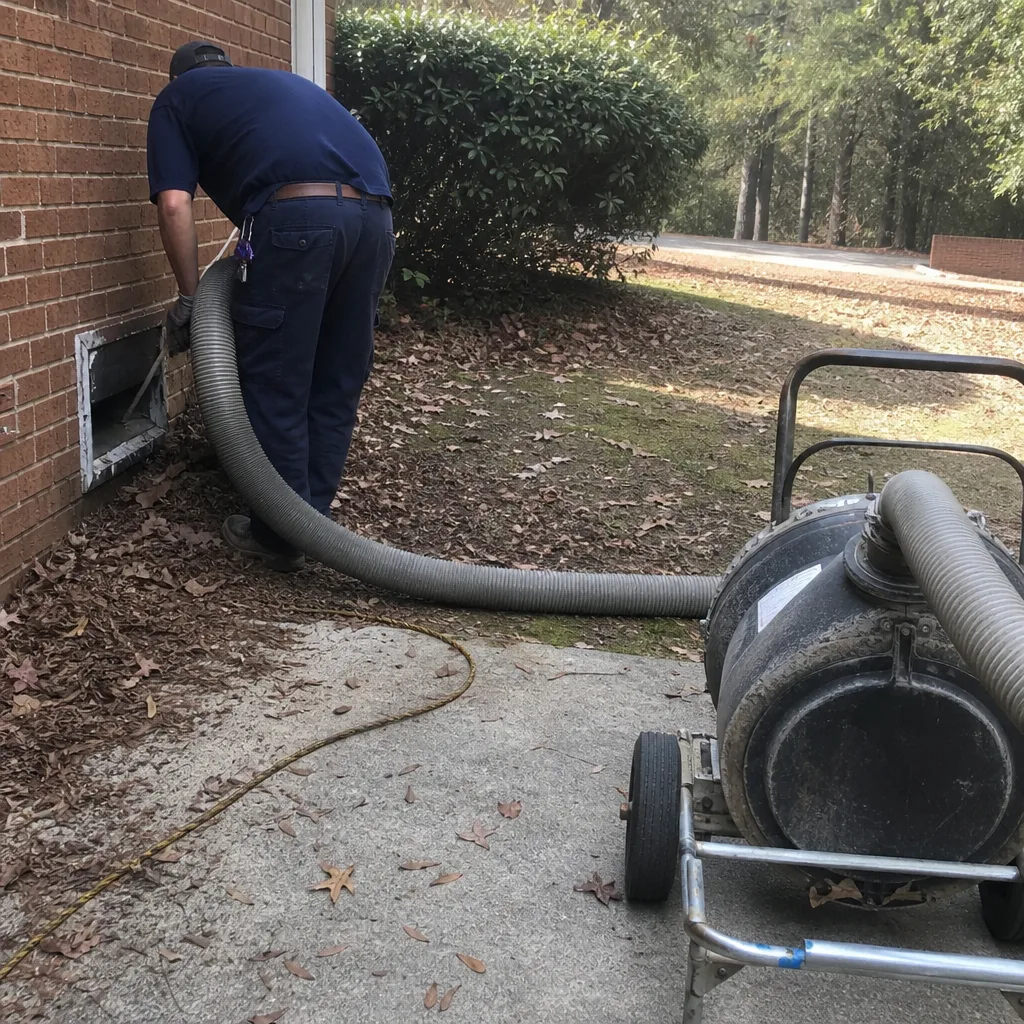 Before
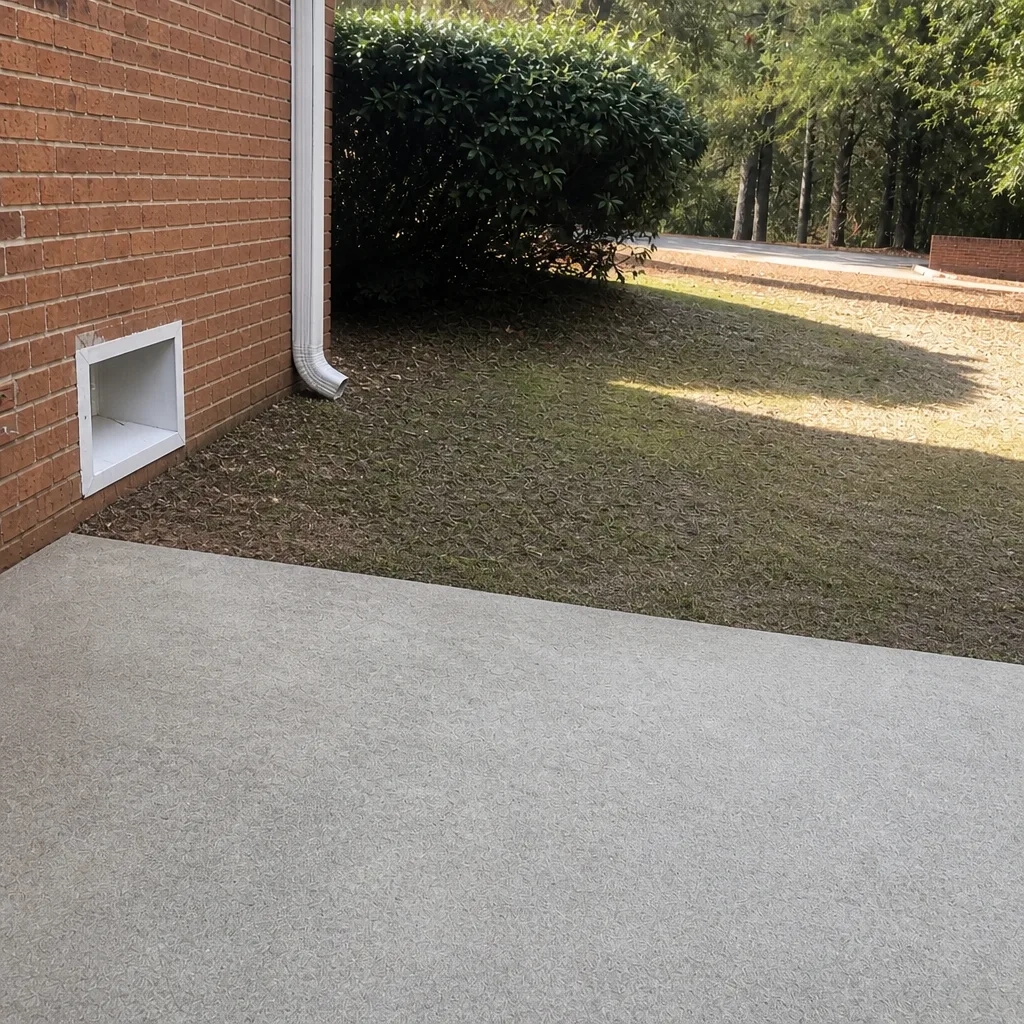 After
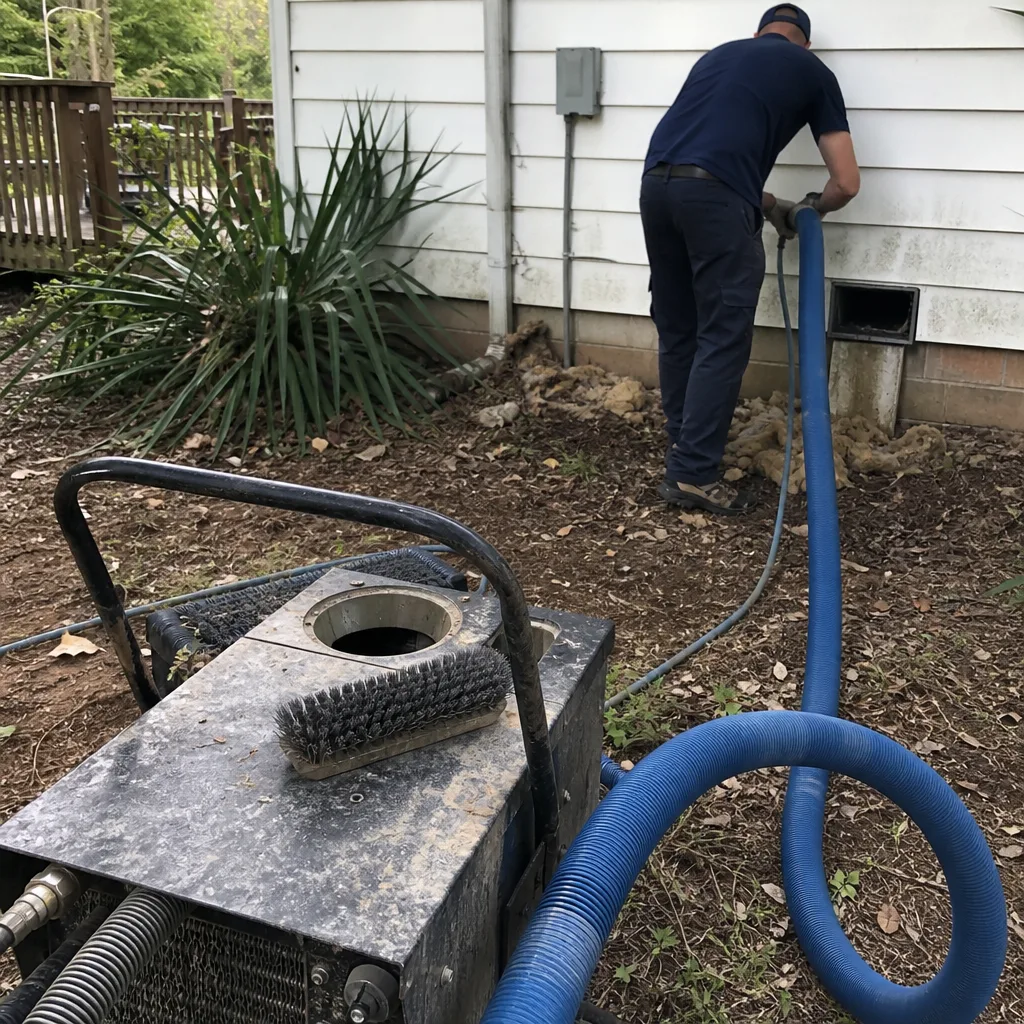 Before
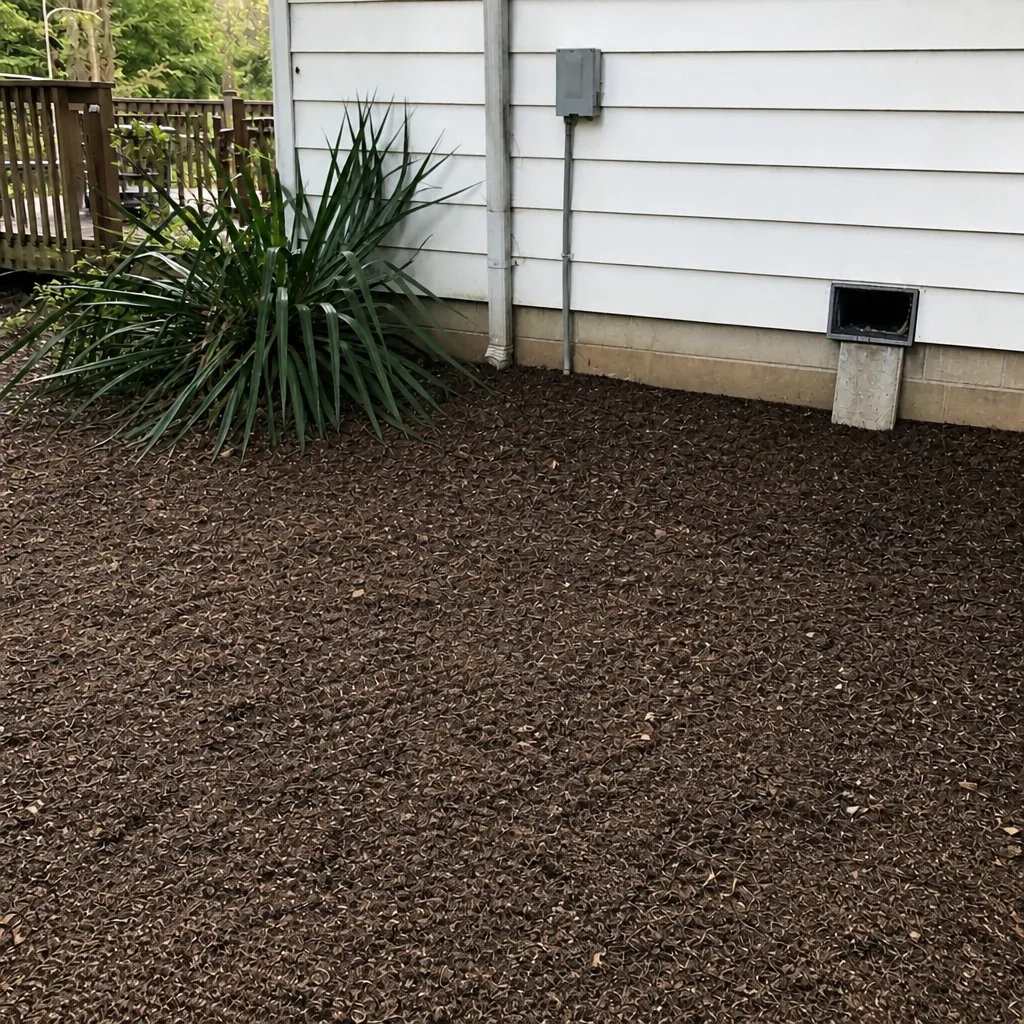 After
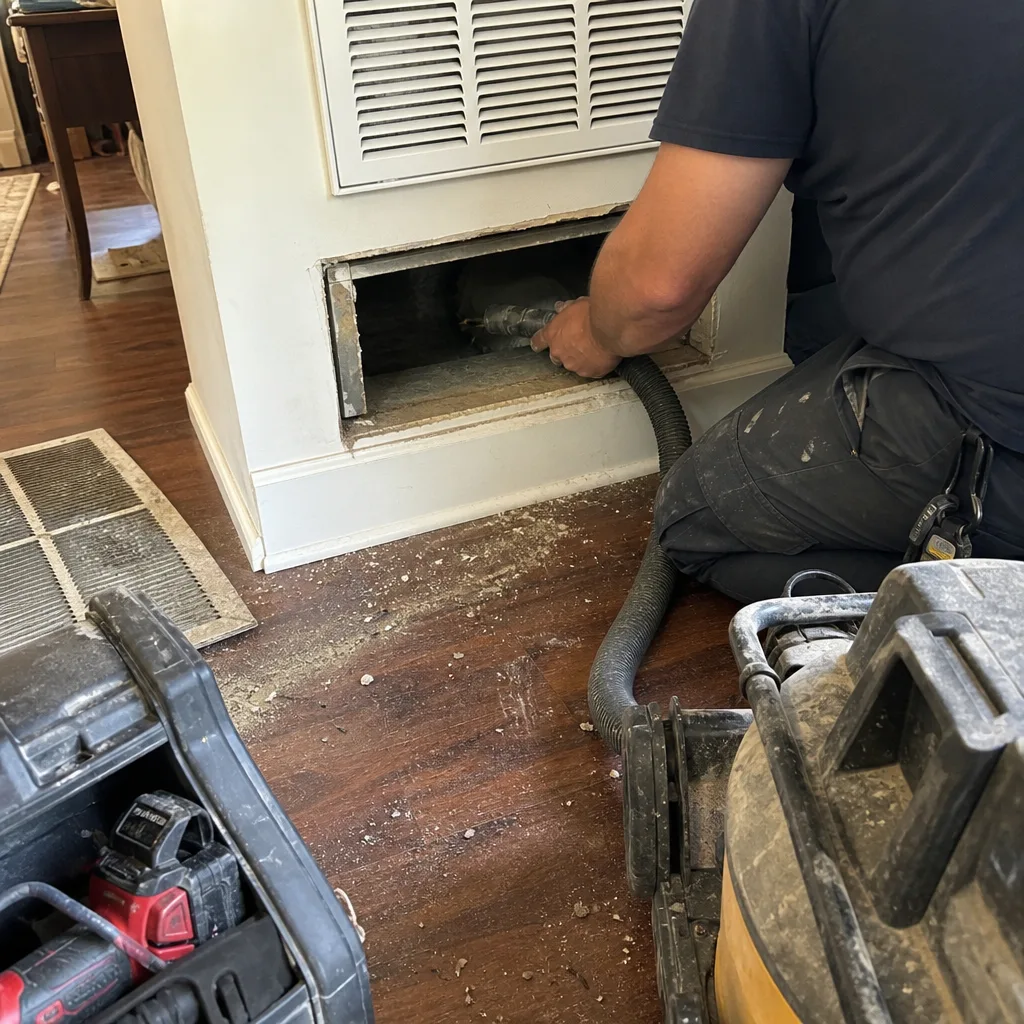 Before
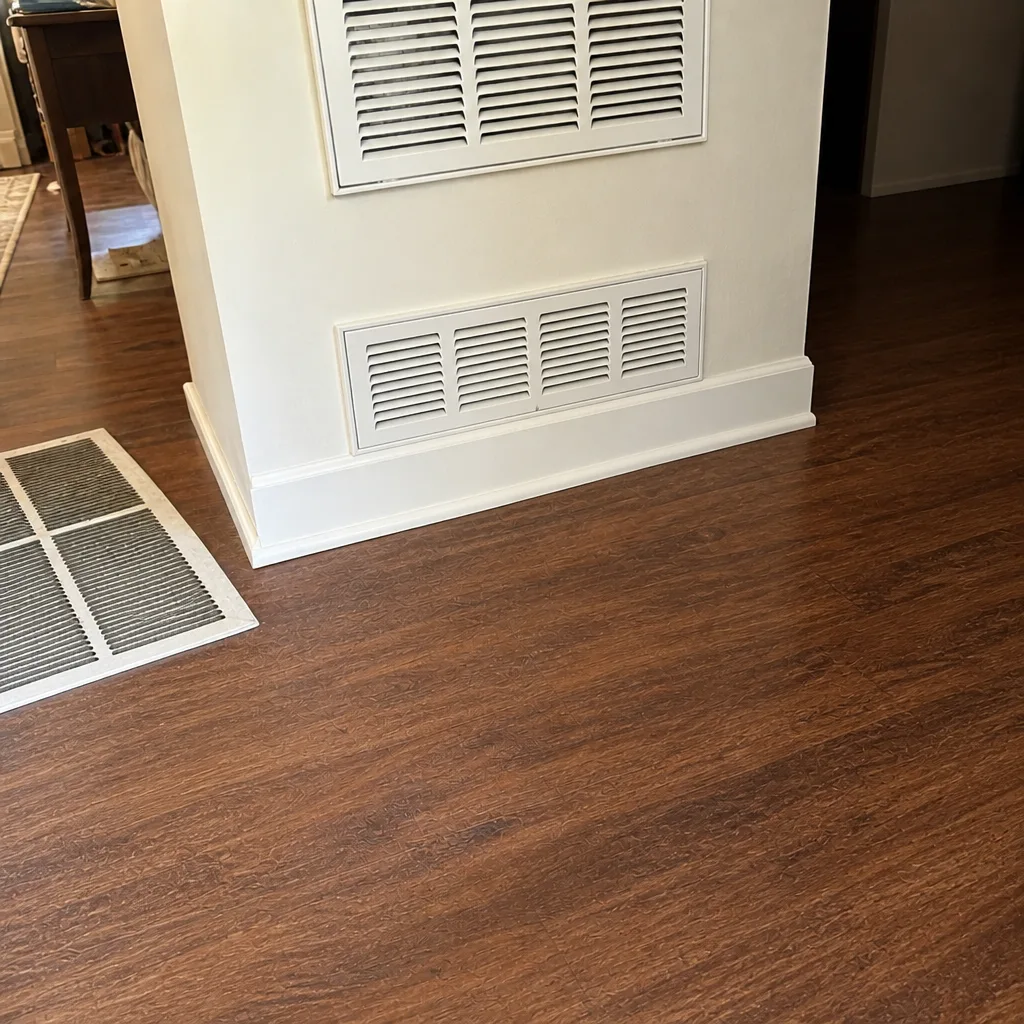 After
When to Call a Professional
Some jobs are worth waiting on and some aren’t. Major HVAC work involves the electrical side and refrigerant, and high-voltage work isn’t a homeowner project; call a professional whenever a repair touches wiring, refrigerant, or a component you can’t safely inspect. For duct cleaning specifically, call when the conditions are clear: you’ve just finished a renovation, the system is older and the seams are failing, someone in the house has asthma or allergies, or the dryer vent hasn’t been serviced in a long stretch. A free assessment will tell you whether the scope is cleaning alone, or cleaning plus sealing. Wakefield Air Duct Cleaning Pros offers free estimates in Wakefield – call (866) 947-9162. We answer 24/7. Fast dispatch from 7am-7pm. The local pro is licensed and insured as their state requires.
Frequently Asked Questions
There’s no single price for a Wakefield home because systems vary in size, layout, and condition, and the quote should reflect a whole-system scope rather than a per-vent calculation. What you want is a flat price per system, agreed in writing before work starts, with the estimate setting the final number. Estimates are free.
Because they’re smaller jobs dressed up as full ones. A quote under $150 for a whole house usually covers a portable shop-vac and a rotary brush, with no HEPA containment and no assessment, so lighter equipment performs the same “cleaning” as a real system-level job. Ask what truck or portable unit is used and its CFM rating, and the difference in price usually becomes obvious. If the answers don’t add up, the price is telling the truth: the work isn’t happening.
Ask for matched before-and-after photos at the same locations in your system, plus a scope of work that itemizes what was serviced. A contractor with proper containment will show you the exhaust output as well, and a clear HEPA exhaust during the job is one of the simplest signals that debris is being captured instead of recirculated. The photos come with the invoice.
No. North Carolina does not license the trade specifically, so a company becomes a “duct cleaner” simply by saying so. That’s why NADCA’s ACR standard and the contractor’s insurance certificate are the practical checks: ask whether they work to ACR and whether completed operations coverage is in place. Our technicians have up to 9 years of experience, and we welcome those questions.
There’s no fixed schedule. The realistic triggers are a recent renovation, a move-in, allergy or asthma symptoms that track with the HVAC season, and visible dust staining at the registers. An assessment answers it for your specific house better than any annual rule. Call (866) 947-9162 for an honest read.
Sealing matters because leaky ducts pull fresh dust back into a system that was just cleaned. Cleaning is the visible result; sealing is what makes it last. Our technicians can inspect the seams, look at the flex duct runs, and quote repair and sealing as part of the same visit. If your ducts are older, that’s the piece most cleaning-only companies leave behind. Call (866) 947-9162 to schedule an assessment.
The Bottom Line
Hiring a duct cleaning contractor in Wakefield comes down to four checks: equipment (truck-mounted or portable, with real CFM and HEPA containment), standards (a working answer to NADCA and the ACR standard), insurance (completed operations included), and paperwork (a written scope with a flat price per system). If the contractor passes those four, the rest is execution. If they don’t, the cheapest quote in Wakefield is going to cost you more when the second visit comes. Call us before you book a scope, and we’ll walk you through what the inside of your system is likely to look like. Call (866) 947-9162. We answer 24/7. Fast dispatch from 7am-7pm, Sunday through Friday.
Written by the team at Wakefield Air Duct Cleaning Pros.