
Last updated November 23, 2026
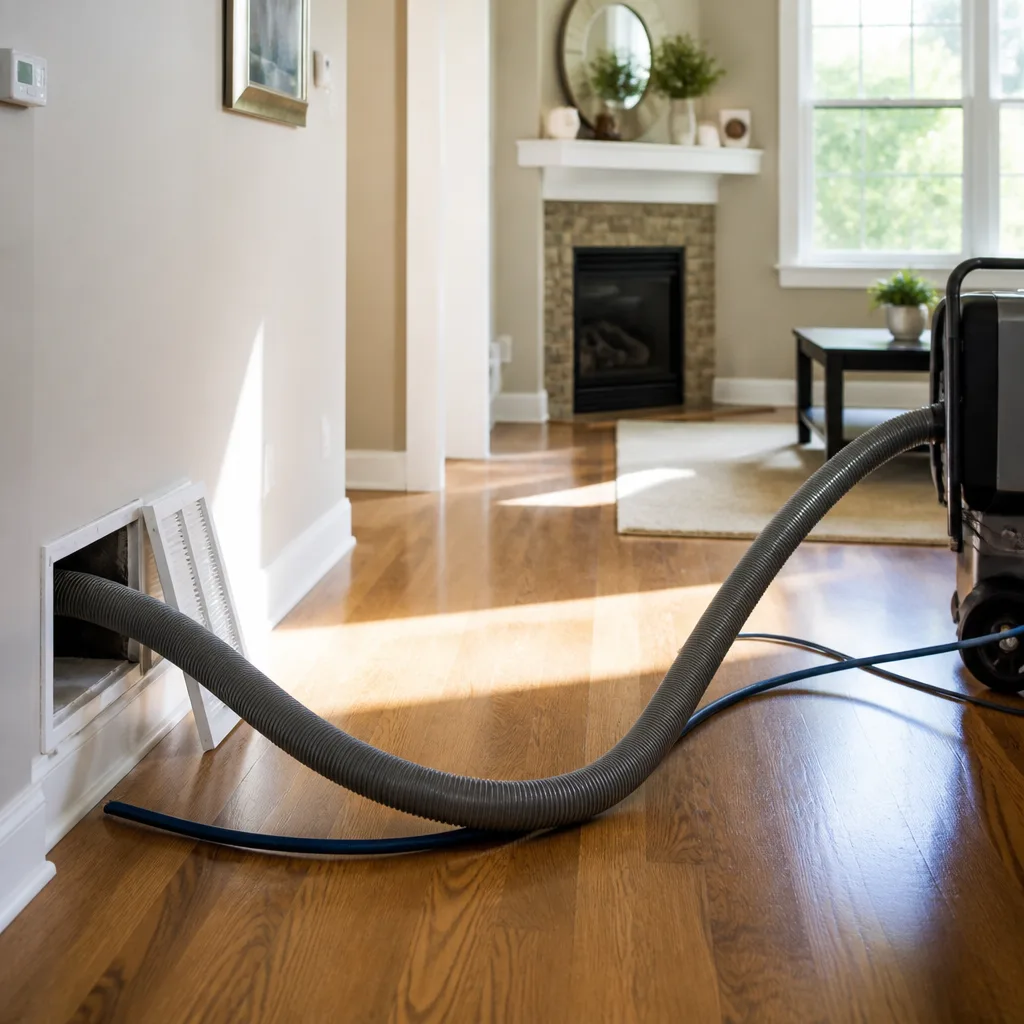 Whole-home duct cleaning
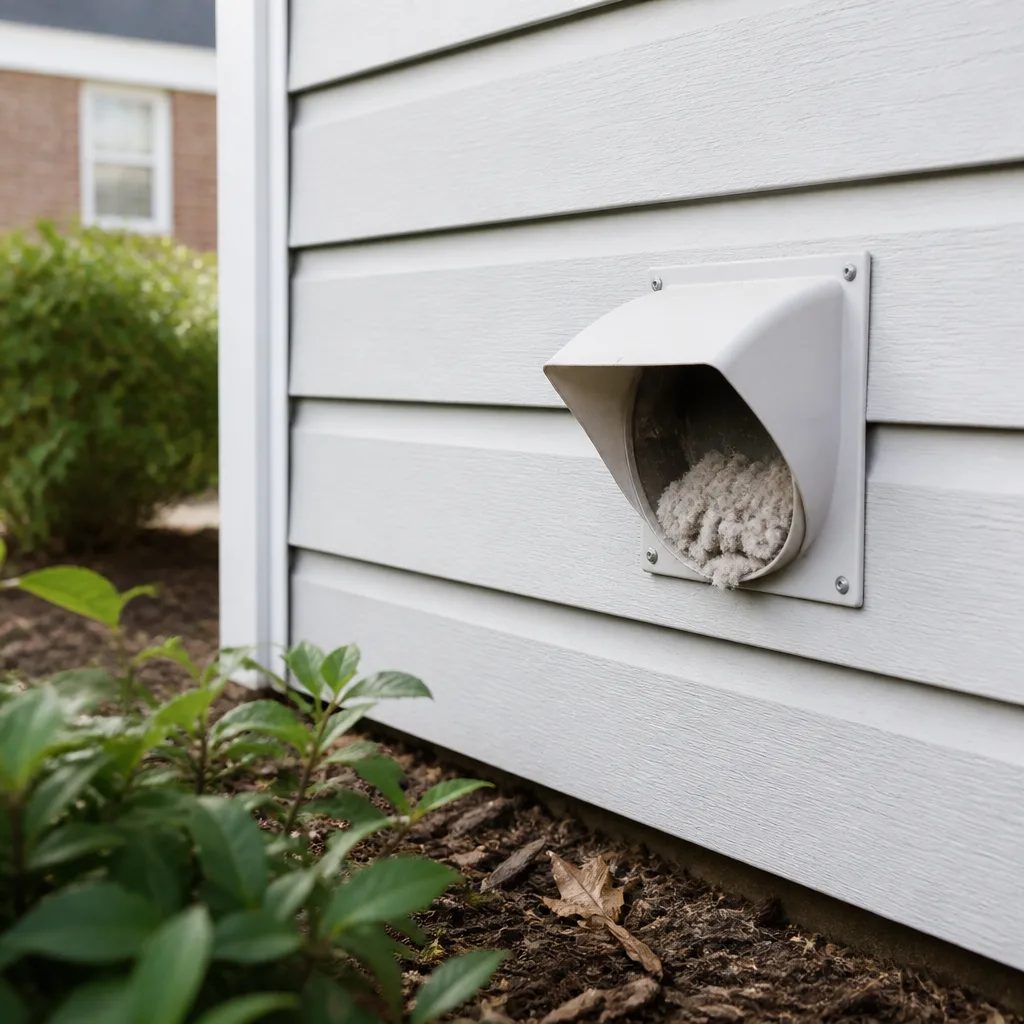 Dryer vent cleaning
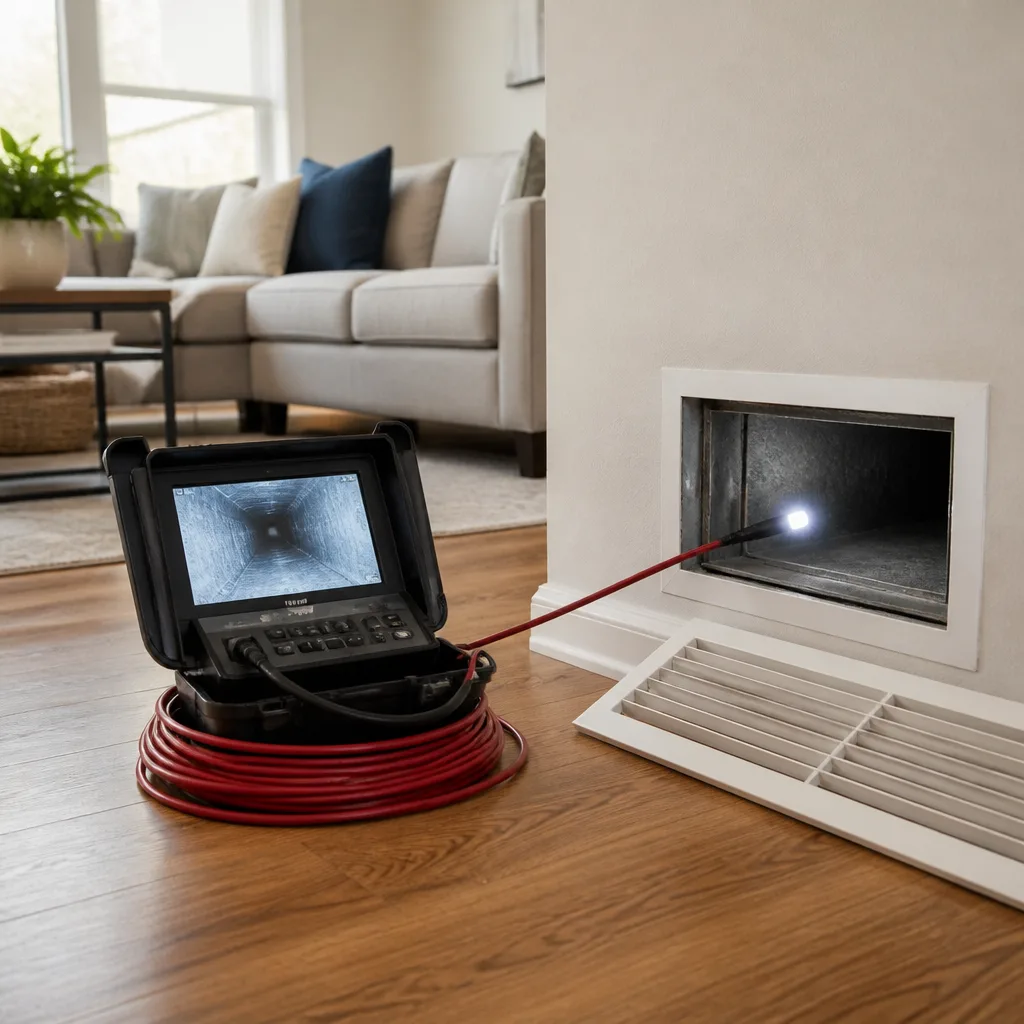 Camera inspection
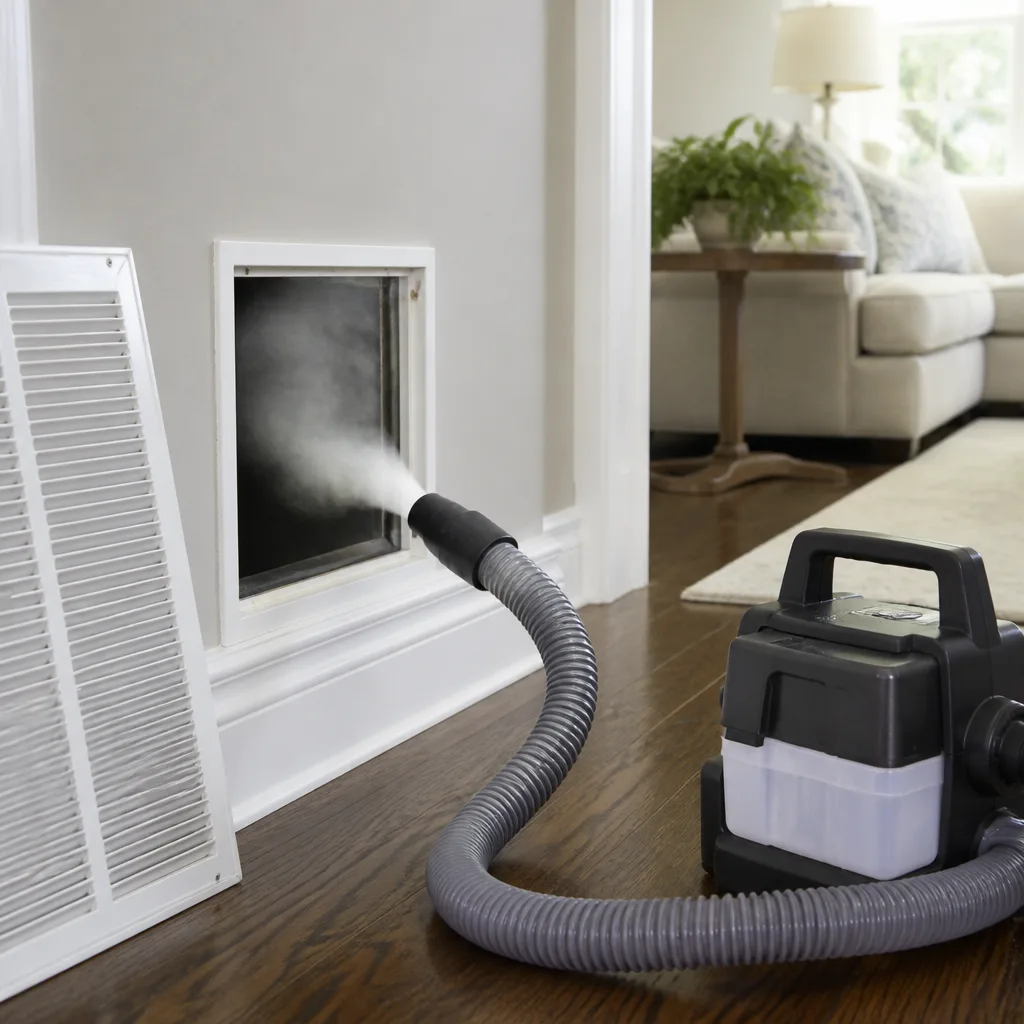 Sanitizing & deodorizing
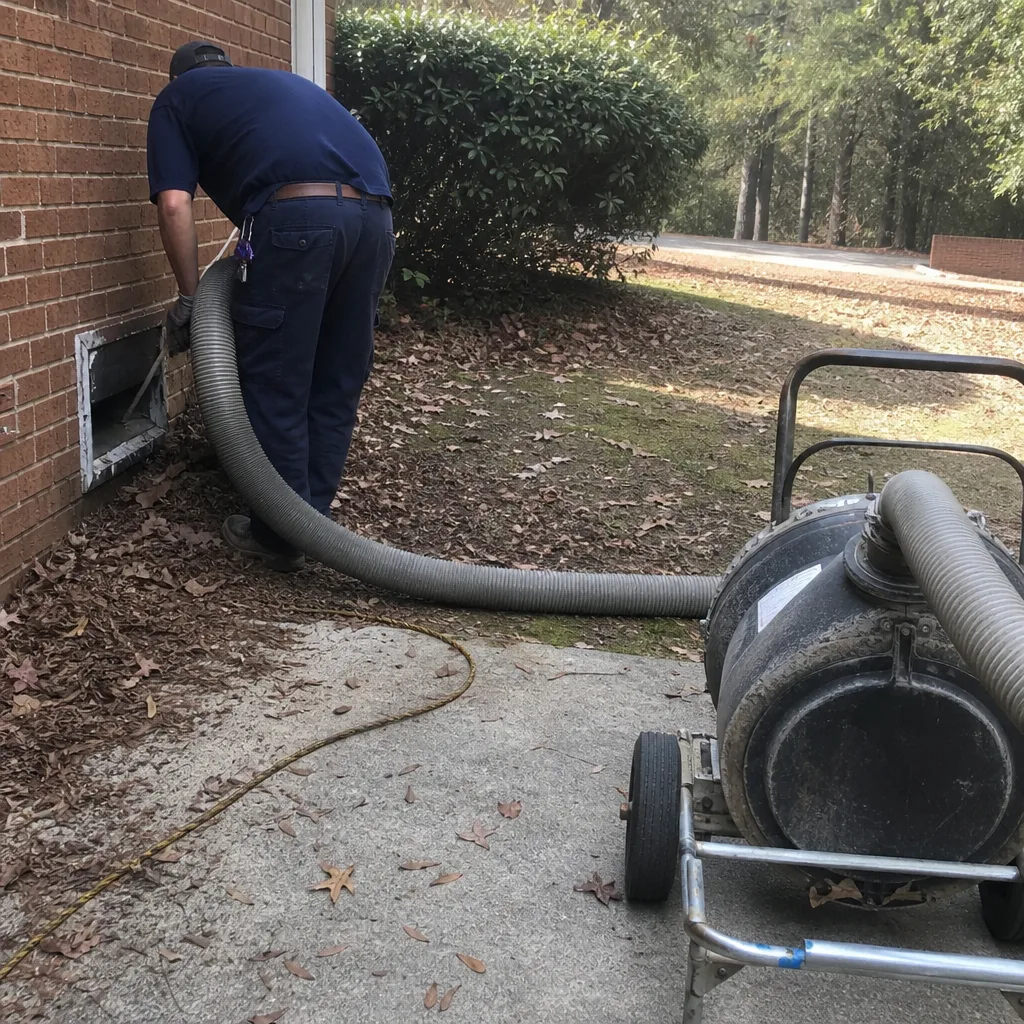
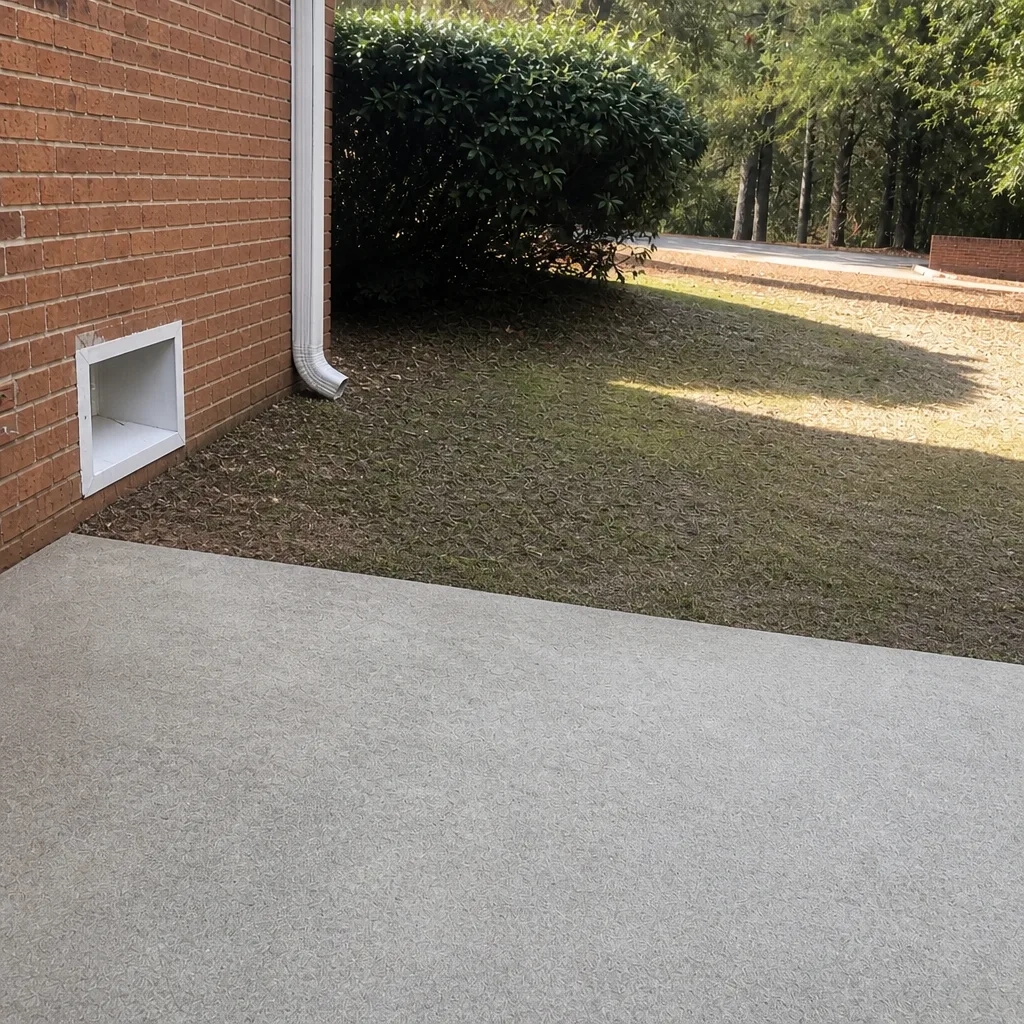
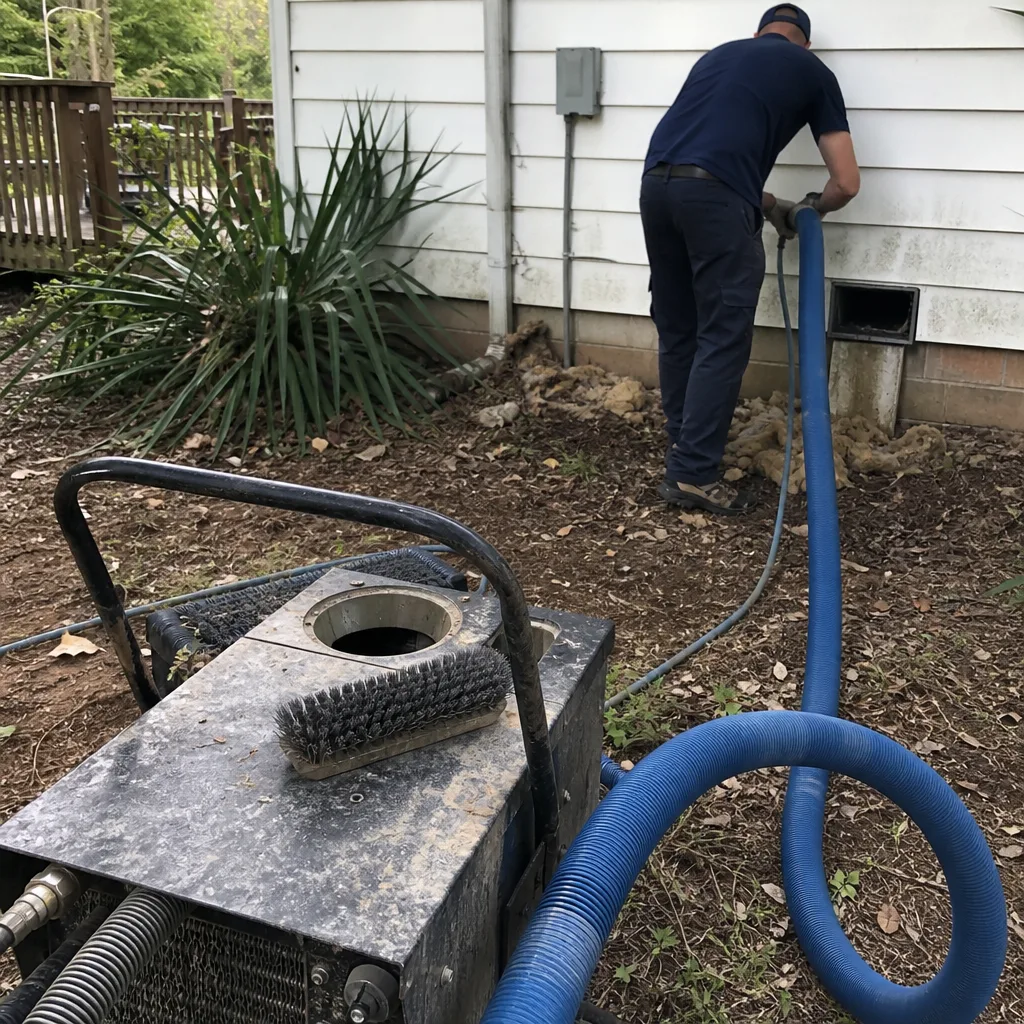
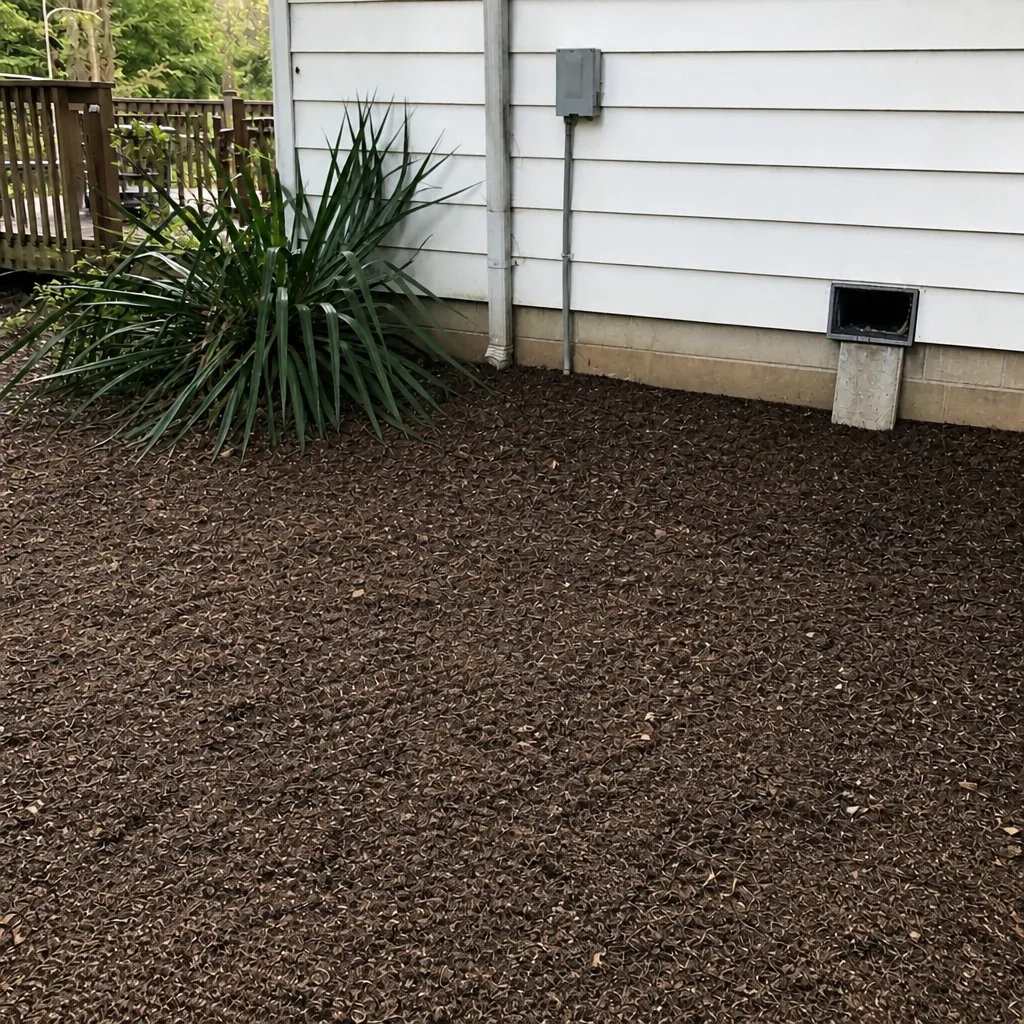
Whole-system duct and dryer vent check with before-and-after photos - you see exactly what came out of your vents
That "$99 whole-house special" is a bait ad - the real number appears once they are in your hallway, or the "clean" is a shop-vac at the register. We photograph the inside of your ducts before and after instead.
Seasonal Air Duct Cleaning Care for Wakefield: Year-Round Homeowner’s Guide
Most homeowners treat duct cleaning as a once-every-few-years chore, something to schedule when the vents look dusty or a renovation kicks up debris. That approach misses what’s actually happening inside the system across a full calendar year. In Wakefield, your ducts face four different pressures as the seasons turn: heavy spring pollen, humid summer air that feeds biological growth, the first heating startup in fall, and the closed-up, low-ventilation months of winter. Each one leaves a different kind of load in the system, and each calls for a different response. This guide walks through all four, then gives you a 12-month task calendar so no season catches your HVAC system unprepared.
Styles & brands we work with
- Whole-home duct cleaning
- Dryer vent cleaning
- Camera inspection
- Sanitizing & deodorizing
Quick Answer
Seasonal air duct cleaning in Wakefield means matching duct care to what each season actually puts into your system: pollen and fine particulate removal in spring, moisture and biological-growth checks in summer, a blower and heat exchanger inspection before the first heating cycle in fall, and tighter filter intervals during winter’s low-ventilation months. Instead of one annual cleaning, you stagger filter changes, visual checks, and professional cleanings across the year so the system never carries a full season’s load into the next.
Table of Contents
- Why Seasonal Duct Care Beats Annual Cleaning in Wakefield
- Spring: Pollen Loading and What Gets Past Your Filter
- Summer: Humidity, Moisture, and Biological Growth Inside Flex Duct
- Fall: The Pre-Heating-Season Inspection Most Homeowners Skip
- Winter: Reduced Ventilation and Faster Filter Loading
- Building Your 12-Month Duct Care Calendar
- Signs Your Ducts Need Attention Right Now
- Common Mistakes to Avoid
- When to Call a Professional
- Frequently Asked Questions
Why Seasonal Duct Care Beats Annual Cleaning in Wakefield
A single yearly cleaning treats every season’s contamination the same way, and that’s the problem. The load inside a Wakefield duct system in April looks nothing like the load in October. In spring, the dominant material is fine, wind-borne pollen. By late summer, humidity has had weeks to work on any organic dust that settled on cool duct surfaces. In fall, the system sits idle before heating season, collecting whatever the house sheds. Winter concentrates everything because the house is sealed tight.
If you clean once a year, you’re always cleaning last season’s problem and carrying it through the next three. Seasonal care flips that: you address each load when it’s fresh and small, before it compounds.
There’s a second reason this matters in Wakefield specifically. Homes here run heating and cooling for most of the year, so the air handler moves a large annual volume of air through the same ductwork. That volume is what deposits material on duct walls, blower wheels, and evaporator coils over time. The more hours the system runs, the faster those surfaces load up, and the more a cleaning schedule needs to match real runtime rather than a generic calendar.
What “seasonal care” actually means
It doesn’t mean four professional cleanings a year. It means four different kinds of attention, only some of which require a technician on site:
- Spring: higher-efficiency filtration and a professional cleaning if pollen intrusion is confirmed.
- Summer: moisture checks on duct runs in crawlspaces and attics, and inspection for condensation or musty odor.
- Fall: a blower wheel and heat exchanger inspection before the first heating cycle, plus a filter change.
- Winter: shorter filter intervals and a check that return-air paths aren’t blocked by furniture or storage.
Professional cleaning slots in where the visual checks and odor tests point to a real load. That keeps the cost honest and the timing right. When you do need a full cleaning, we handle it in one visit and pair it with sealing where leaks are found, because a cleaned system that still leaks re-contaminates itself. That’s the reasoning behind treating air duct cleaning as a diagnostic-to-resolution job rather than a quick pass with a vacuum.
Spring: Pollen Loading and What Gets Past Your Filter
Wakefield’s spring pollen season is the single biggest particulate event of the year for a home’s duct system. Oak and pine are the heavy producers here, and pine pollen in particular is fine enough that a standard filter loaded with it stops catching it well. Once a filter’s pleats are coated, air takes the path of least resistance: around the filter frame, through gaps at the filter slot, and straight into the return duct. From there it coats the duct interior and the blower wheel.
How pollen intrusion shows up
You usually won’t see pollen in the ducts directly, but the signs are consistent:
- A fine yellowish-green film on return grilles and the filter slot edges.
- Allergy symptoms that spike indoors even when windows stay closed.
- A visible dust ring around supply registers that returns within days of wiping.
- Coils and blower wheels that look coated rather than lightly dusty at the next service.
If you catch it early, a filter upgrade and a duct cleaning before summer humidity arrives is enough. Waiting until summer means that pollen load becomes food and moisture-holding material just as the humid season begins.
Spring steps
- Change the filter at the start of pollen season, not on a fixed quarterly date.
- Check the filter after the first heavy pollen weeks and replace if it’s visibly coated.
- Seal any gaps around the filter slot with weatherstripping so air can’t bypass the filter.
- Wipe return grilles and check for a yellow film; if it returns fast, get a professional inspection.
- Schedule cleaning before the humidity climbs if pollen intrusion is confirmed.
Summer: Humidity, Moisture, and Biological Growth Inside Flex Duct
Wakefield’s summer humidity routinely holds above 60% relative humidity, and that’s the threshold where the inside of a duct system stops being just dusty and starts being a moisture environment. Cool air moving through flex duct in a hot attic or crawlspace creates a temperature differential, and any duct surface below the dew point collects condensation. Add settled organic dust and you have the conditions biological growth needs.
This is where the difference between cleaning and cleaning plus sealing shows up. A duct system with leaky joints pulls humid attic or crawlspace air into the duct run, and that’s a direct moisture source that no amount of cleaning fixes. Sealing closes it. We pair the two because a cleaned system with open leaks re-contaminates within a season.
What to check in summer
- Condensation on duct exteriors in the crawlspace or attic. Wet insulation wrap or drip marks on the vapor barrier are the clearest signal of a problem.
- Musty odor at supply registers when the system starts, distinct from ordinary dust smell.
- Visible moisture at flex duct connections or at the air handler cabinet.
- Rising indoor humidity beyond what the AC should be removing, which can point to duct leakage pulling in outside air.
If you find condensation on duct exteriors, don’t wait. Moisture inside a duct system supports growth that then circulates every time the fan runs. For households with asthma or allergy concerns, this is the season where professional containment equipment matters most. Our technicians use Abatement Technologies equipment to hold HEPA-level containment during the work, so loosened material is captured rather than pushed through the house.
Fall: The Pre-Heating-Season Inspection Most Homeowners Skip
The week a Wakefield homeowner first turns on the heat in October pushes a full summer’s accumulation through every room. Dust that settled on the heat exchanger, dead insects in the cabinet, and the light off-gassing from a heat exchanger that sat idle for months all move at once. Most people notice the smell, open a window, and change the filter. That addresses maybe a third of the problem.
The blower wheel is the piece that gets ignored. It’s a squirrel-cage fan that pulls air through the return and pushes it across the coil and heat exchanger. When its fins load with dust, it moves less air for the same energy, and the system runs longer to hit the same temperature. You can’t see this from the filter slot. It takes opening the air handler cabinet and looking.
The heat exchanger is the other reason to inspect before first fire. A cracked heat exchanger can let combustion byproducts into the airstream, and that’s a safety issue, not a comfort one. Fall, before the heating season starts, is the right time to have it checked.
Fall inspection checklist
- Change the filter before the first heating cycle, not after.
- Have the blower wheel inspected for dust loading and cleaned if coated.
- Have the heat exchanger checked for cracks or corrosion before regular heating use.
- Check the flue and combustion air paths for blockage from summer debris or nesting.
- Look inside supply registers for dust that fell from above during the idle months.
Fall is also the natural time for our HVAC cleaning service, which covers the air handler, coil, and blower rather than just the duct runs. Cleaning the ducts without cleaning the components that move the air leaves half the system loaded.
Winter: Reduced Ventilation and Faster Filter Loading
Winter in Wakefield is mild by northern standards, but homes still close up. Windows stay shut, doors stay sealed, and the air exchange rate drops. That’s the fourth pressure point: with less fresh air entering, whatever particulates the system generates or recirculates stay concentrated indoors longer. Filter loading accelerates because more of the same air passes through the filter repeatedly.
The practical result is that a filter interval that worked in spring and fall will be too long in winter. If you run a standard 1-inch filter on a fixed 90-day change, winter is the season to shorten it to 30 or 45 days and check visually in between. A thicker media filter holds more and lasts longer, but it still has to be checked on the same schedule because the loading rate is what’s changed, not the filter.
Return-air paths matter more in winter too. A return grille blocked by a sofa, a storage box, or holiday clutter starves the system and pushes it to pull air from leaks and gaps instead. That brings in dust from wall cavities and attics.
Winter habits that keep duct load down
- Keep return grilles clear by at least a few inches on all sides.
- Shorten filter intervals and check monthly rather than at the calendar date.
- Vacuum supply and return grilles monthly; it removes surface load before it’s pulled into the system.
- Run the fan in “on” or “circulate” mode periodically to keep air moving and reduce stratification, if your thermostat supports it.
- Do a quick visual check of grilles for a dark ring, which signals a filter that’s past due.
Building Your 12-Month Duct Care Calendar
Here’s the schedule we’d suggest to a Wakefield homeowner with a standard forced-air system. Adjust the professional cleaning slots based on what the visual checks and odor tests find.
- Early March: Change the filter, inspect the filter slot for gaps, and note return grille condition.
- Late April to early May: Check the filter again after peak pollen. If it’s coated, replace it and assess whether pollen intrusion reached the ducts. This is a common professional cleaning window.
- June: Inspect accessible duct runs in the attic or crawlspace for condensation and check for musty odor at registers.
- July to August: If condensation or odor is present, have the ducts cleaned and sealed. Don’t wait until fall for a moisture problem.
- Early September: Change the filter and inspect the air handler, blower wheel, and heat exchanger before heating season.
- October: First heating cycle. Note any smell at registers; if it persists past a couple of cycles, schedule an HVAC cleaning.
- November to February: Check the filter monthly rather than quarterly. Keep returns clear. Run grille vacuuming monthly.
One professional cleaning slot in spring if pollen load is heavy, and a second in fall if the blower and coil are loaded, handles most Wakefield homes. Homes near heavy tree canopy, homes with pets, and homes that just finished a renovation may need either slot repeated. Renovation dust is its own category: drywall and sawdust load the system fast and should be addressed as soon as the work is done, not on the calendar.
Signs Your Ducts Need Attention Right Now
The seasonal calendar sets a reasonable baseline, but some signals override it. If you notice any of the following, have the system inspected rather than waiting for the next scheduled slot:
- Musty or damp odor from supply registers, especially at system startup.
- A visible dark ring around supply or return grilles that returns within days of cleaning.
- Allergy or asthma symptoms that get worse indoors, particularly after the system runs.
- Condensation or wet insulation on duct runs in the crawlspace or attic.
- Reduced airflow at registers compared to last season, which can point to a loaded blower wheel or collapsed flex duct.
- Visible debris or insect activity inside a register boot when you remove the grille.
- A recent renovation that produced heavy dust, even if the system looks fine.
We use professional-grade Rotobrush rotary brush equipment during cleaning, which mechanically agitates debris off duct walls rather than relying on suction alone. That matters for the fine, compacted pollen and renovation dust that clings to surfaces. Our team combines that with Nikro negative-air and HEPA equipment to contain what gets loosened, so it’s captured instead of recirculated. Our technicians have up to 9 years of experience working with this equipment, and we’ve seen how much of a system’s real load sits on surfaces the homeowner can’t reach.
Common Mistakes to Avoid
- Cleaning once a year and calling it done. A single annual cleaning always addresses the wrong season’s load. Match the work to what each season actually deposits, or you’ll carry pollen through the humid months and renovation dust through winter.
- Ignoring the filter slot gaps. A filter that doesn’t seal at the frame lets a large share of air bypass it entirely. Check the fit in spring, when the pollen load is highest and bypass hurts most.
- Waiting for a musty smell before checking for moisture. By the time you smell it in Wakefield’s summer humidity, the growth is established. Inspect crawlspace and attic duct runs for condensation in early summer, before the smell appears.
- Skipping the blower wheel in fall. Changing the filter doesn’t clean the blower, and a loaded blower cuts airflow for the entire heating season. Get it inspected before first fire.
- Using the same filter interval year-round. Winter’s low ventilation loads filters faster. Shorten the interval from late fall through early spring and check visually in between.
- Cleaning without sealing. Leaky return and supply joints pull in attic or crawlspace air, which re-contaminates a freshly cleaned system. Ask whether sealing is part of the scope, and expect it to be.
- Blocking return grilles with furniture. A blocked return starves the system and forces it to draw air from gaps and cavities. Keep a few inches of clearance around every return.
When to Call a Professional
Some seasonal care is homeowner work: filter changes, grille wiping, keeping returns clear, and noting smells and symptoms. The rest needs equipment and access you don’t have. Call a professional when you find condensation or wet insulation on duct runs, when a musty odor persists at registers, when a renovation has loaded the system with fine dust, or when airflow drops noticeably between seasons. Call when allergy or asthma symptoms worsen indoors after the system runs, and call before heating season if the blower or heat exchanger hasn’t been inspected in the past year. A heat exchanger check is a safety matter, not a comfort one, and it belongs with a trained technician.
Wakefield Air Duct Cleaning Pros offers free estimates in Wakefield. We cover the full air pathway: cleaning, sanitizing, repair, and sealing, with Aprilaire and Guardsman product options for air quality upgrades where they make sense. Call (866) 947-9162. We answer 24/7. Fast dispatch from 7am to 7pm, Sunday through Friday.
Frequently Asked Questions
Most Wakefield homes do well with a professional cleaning roughly every one to two years, timed to spring pollen season or fall before heating season, plus moisture-driven cleanings if condensation or musty odor shows up in summer. Homes with pets, heavy tree canopy, allergy or asthma concerns, or a recent renovation often need attention more often. The seasonal checks are what tell you which slot you actually need.
Late spring, after peak pine and oak pollen but before summer humidity climbs, is the best single window for most homes. A second fall window before the first heating cycle catches blower and coil loading from the cooling season. If you can only schedule one cleaning, late spring is the safer choice because it removes pollen before humidity turns it into a moisture-holding load.
A musty smell when the AC starts usually means moisture is present somewhere in the duct system or air handler, most often from condensation on duct runs in a crawlspace or attic, or from leaky joints pulling in humid outside air. Cleaning alone won’t fix it if leakage is the source. The ducts need sealing to close the moisture path.
Look for a fine yellowish film on return grilles and around the filter slot, allergy symptoms that spike indoors with windows closed, and a dust ring on supply registers that returns within days of wiping. If you see these signs in late spring, the filter has likely been bypassed and the ducts need inspection.
Yes, if leaks are found. Leaky return and supply joints pull attic or crawlspace air into the system, which re-contaminates the ducts within a season. Cleaning without sealing fixes the current load but leaves the source open. We quote sealing as part of the same estimate so you know the full scope before work begins.
It can help meaningfully when the ducts are actually loaded with pollen, dust, or biological growth, and when the work includes containment so loosened material doesn’t get pushed into the living space. We use Abatement Technologies equipment to hold HEPA-level containment during cleaning, which matters for households with asthma or allergy concerns. The seasonal calendar approach also helps by keeping the load from building up in the first place.
The Bottom Line
Seasonal duct care in Wakefield comes down to four loads, not one: spring pollen, summer humidity, fall heating startup, and winter concentration. Address each when it’s fresh. Change filters on a season-appropriate schedule, inspect duct runs for moisture before summer, get the blower and heat exchanger checked before first fire, and tighten filter intervals through winter. Professional cleaning and sealing slot in where those checks point to a real load, and pairing them keeps a cleaned system from re-contaminating itself. Our team handles the full air pathway in one visit, with the equipment and the sealing work that makes the result hold. Call (866) 947-9162 for a free estimate.
Written by the team at Wakefield Air Duct Cleaning Pros.
See the difference
 Before
 After
 Before
 After
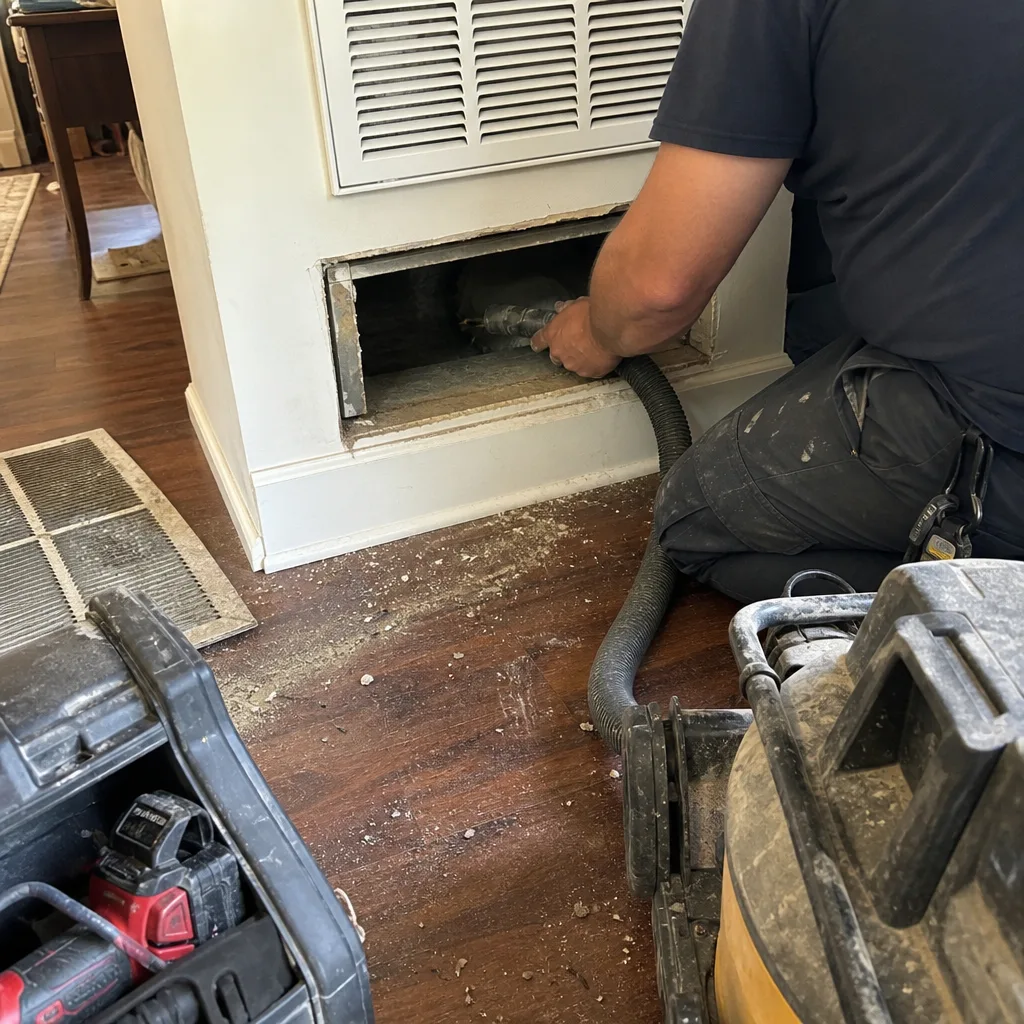 Before
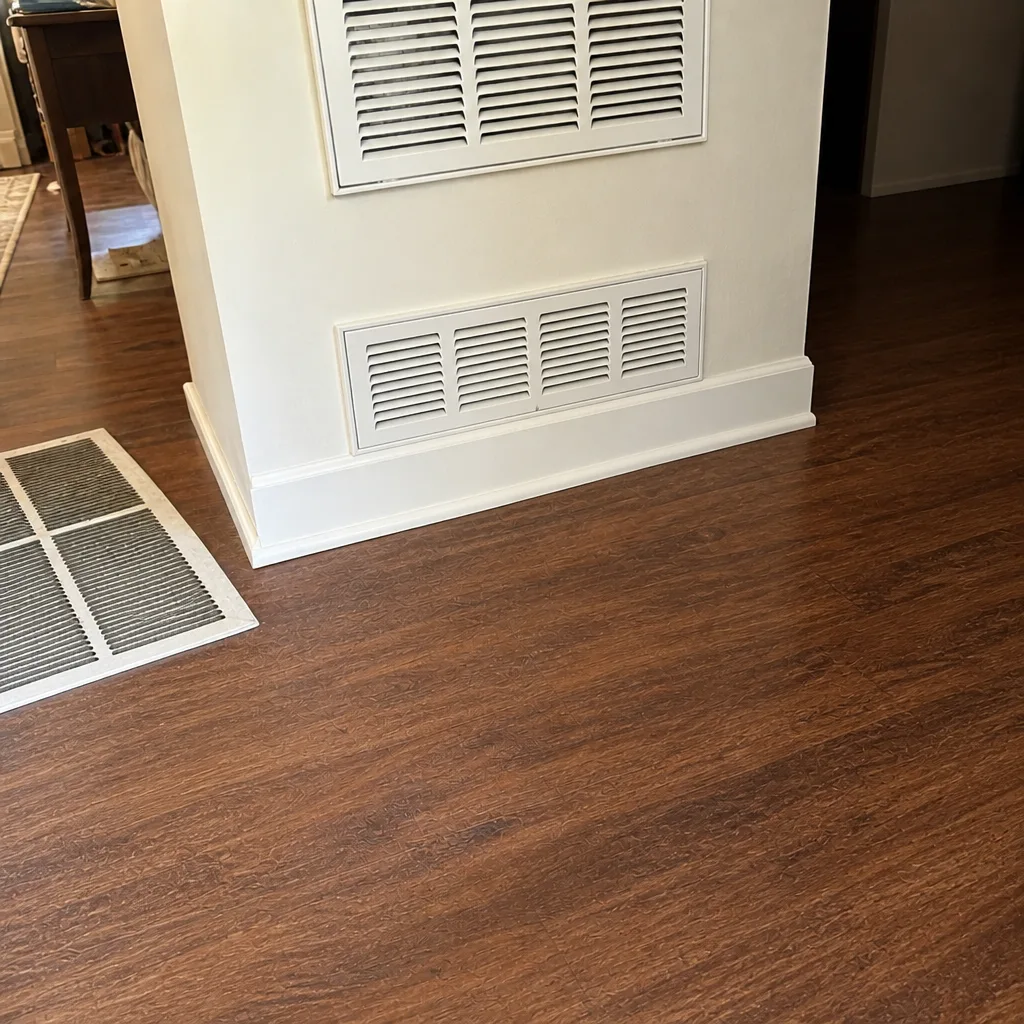 After